The Central American country of Colombia is uniquely situated in a geographical region where several ecological niches meet. The Amazon basin with lush forests, the Andes mountain rages, Pacific Ocean and Caribbean sea coastline, an endless Llanos plains, and temperate climate makes it a unique bird migratory pathway. There are three cordilleras as they are called, that comprise the country, viz., the Western Andes range, the Central Andes range and, the East Andes range. There is also the separate Sierra Nevada de Santa Marta range that is not part of any other ranges. The country has four regions such as Paramo (highest moorland), cloud forests, tropical rainforest and the Llanos (savanna lowlands). A vast number of water courses drains from the Andes mountains flowing eastwards. The two main rivers Magdalena and Cauca flow through wetlands that are abundant in biodiversity.
Between January 28 and February 3 of 2024, I undertook a birding expedition coordinated by A Couple Without Borders operating out of New York. The Colombian trip was handled by the team at Colombia Birdwatch (www.columbiabirdwatch.com) located in Cali, Colombia. There were 7 of us in the group that traveled to Colombia.
Colombia has an underserved bad reputation as the land of drug lords and safety was a concern before we began the trip. However, the trip clearly made me change my mind regarding this fact. The government and the people of Colombia have made ecotourism a number one priority. As a result, there are many excellent conservation lodges dispersed throughout that makes it a haven for birdwatchers. More importantly, I was so excited to visit the country which is ranked #1 in bird species in the whole world. The total currently is set at 1917. 90% of these are land birds and more that 50% of the world’s hummingbird species are found here. There are 96 endemic species and many are in the vulnerable or threatened category as per IUCN.
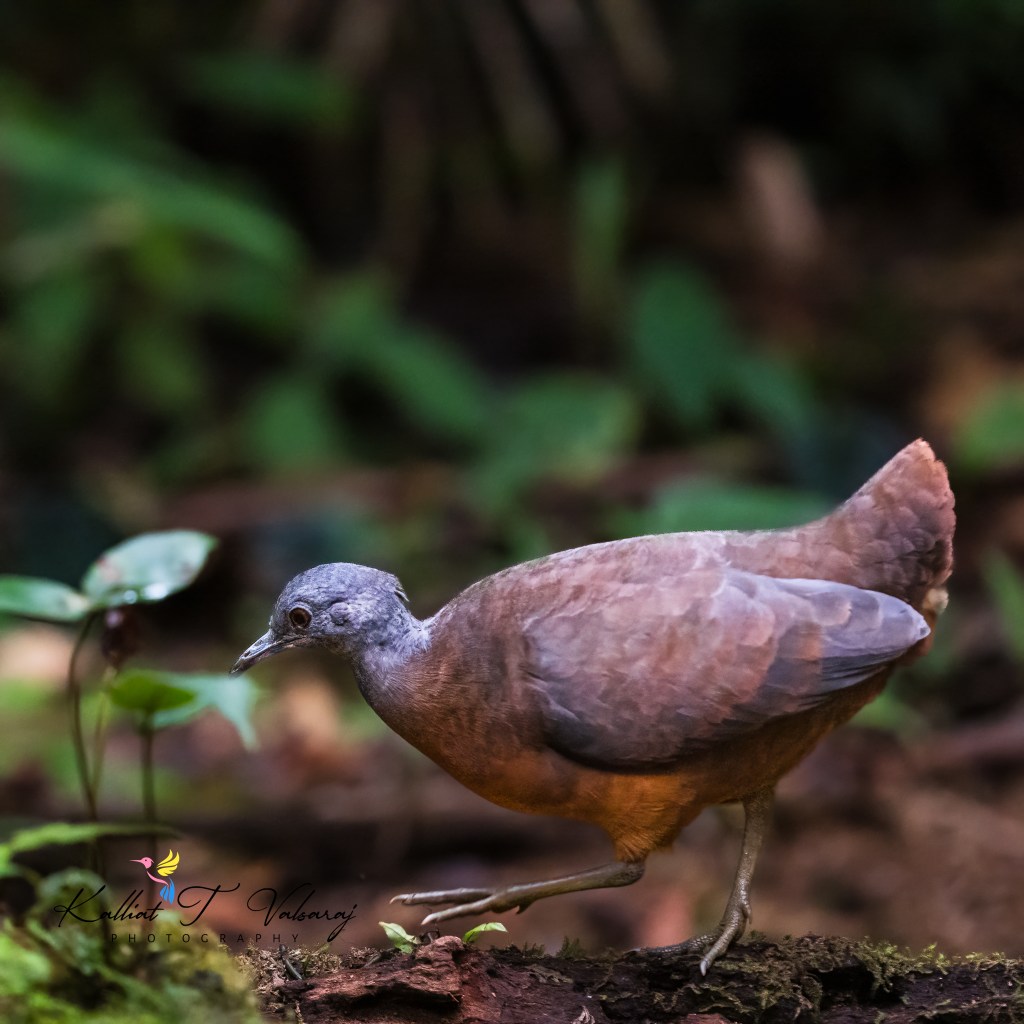
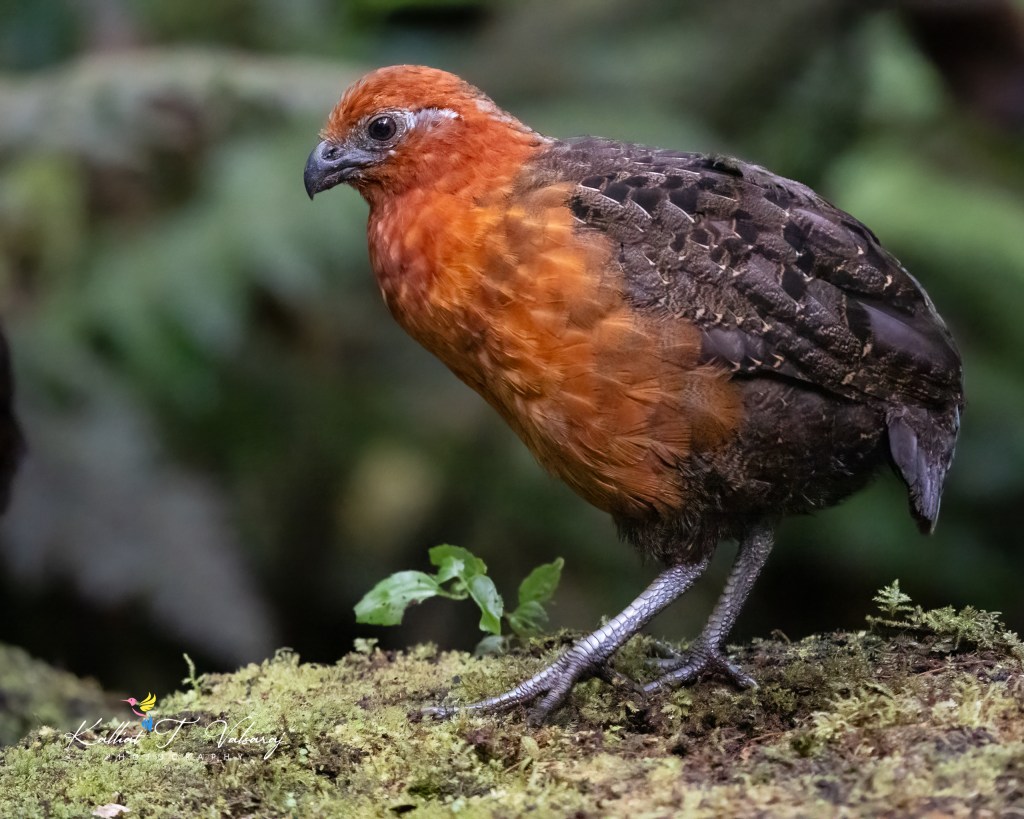
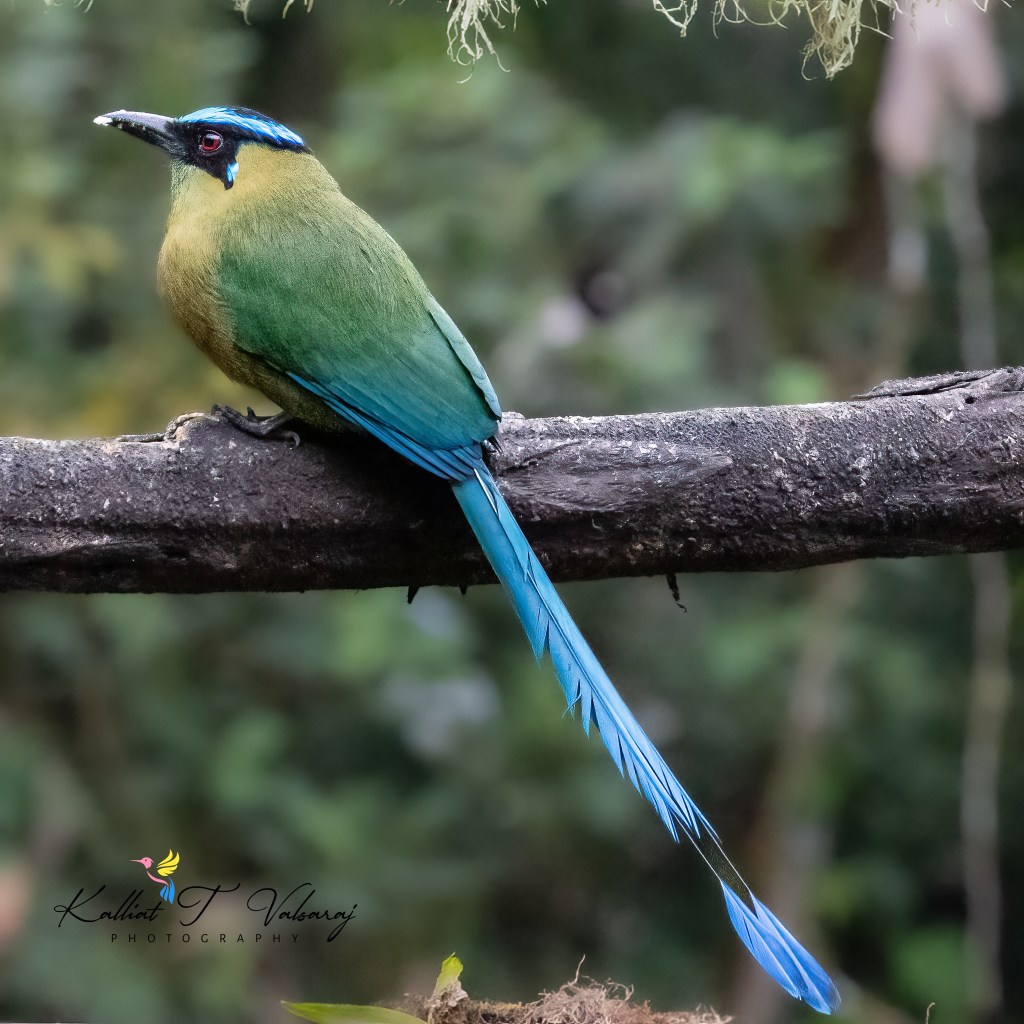
My trip started from New Orleans through Miami to Cali on American Airlines on 28th January. After a few airline delays and hiccups, I reached Cali on time and was escorted to the Araucana Lodge that was about 2 hours away in the Andean mountains. We were met by our hosts Robyn and Paul of A couple Without Borders @acouplewithoutborders. After a 6 hour sleep (somewhat disturbed because of travel), we woke up, had a great early morning breakfast and then left in a van to Km 18, a well known birding venue with various private reserves. The three places that we visited were Bosque de Neibla Birding & Nature, Birdwatching Laconchita, and La Florida. At each of these places there were species very special that we encountered. These are shown below:
Little Tinamou
Chestnut Wood Quail
Andean Motmot
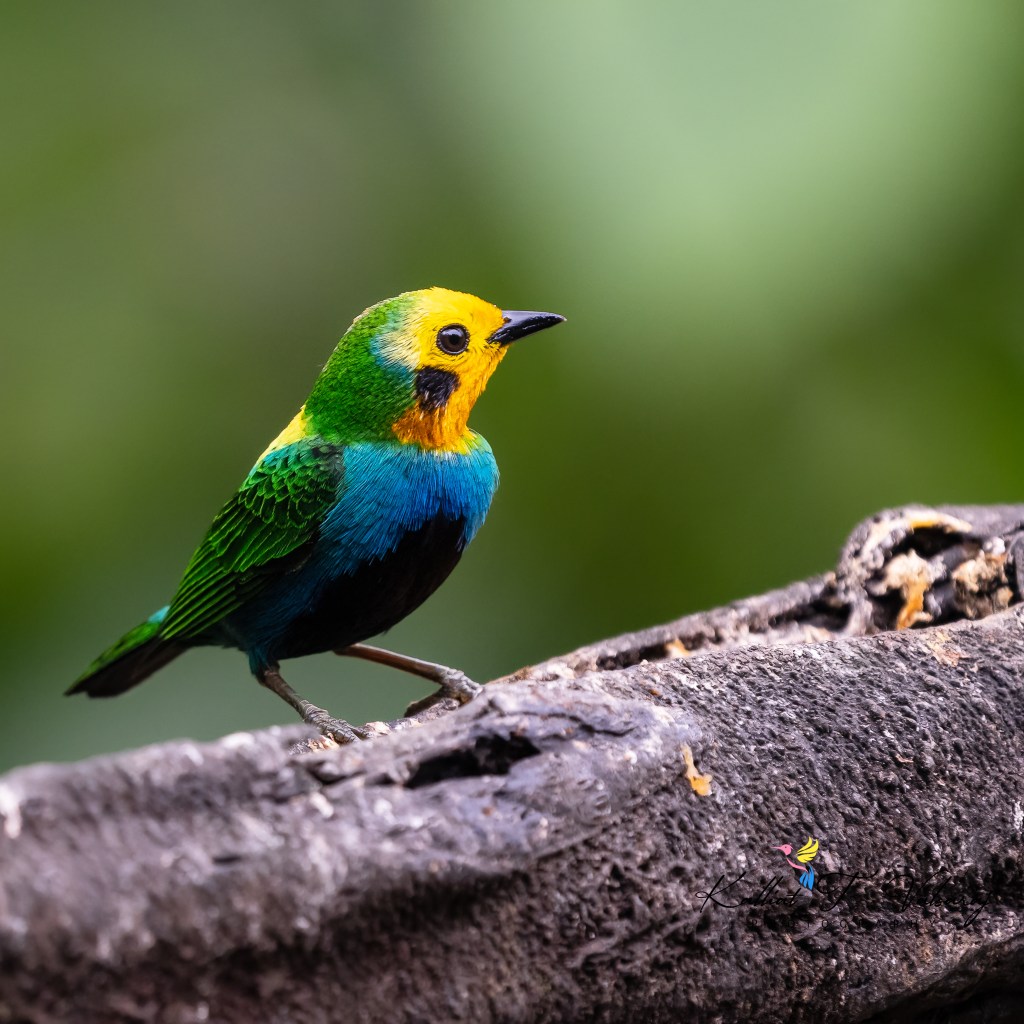
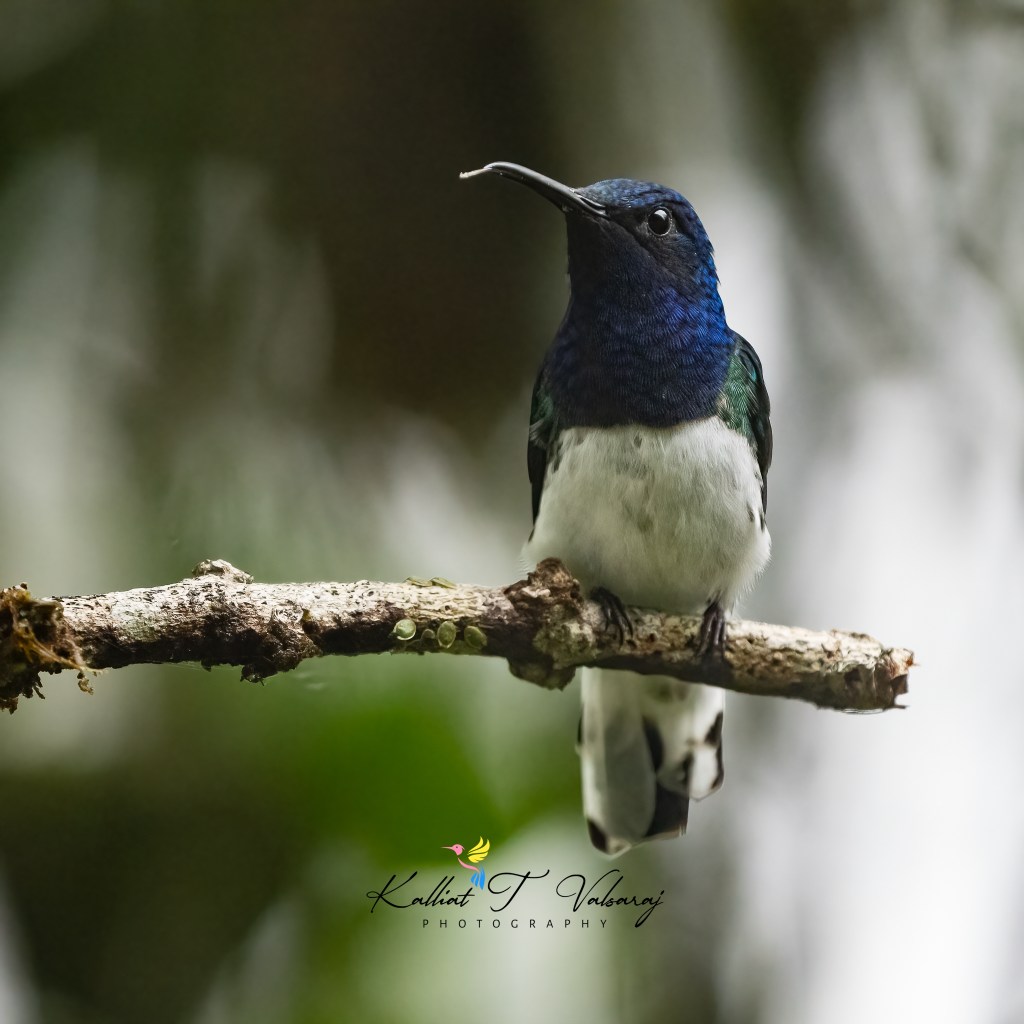
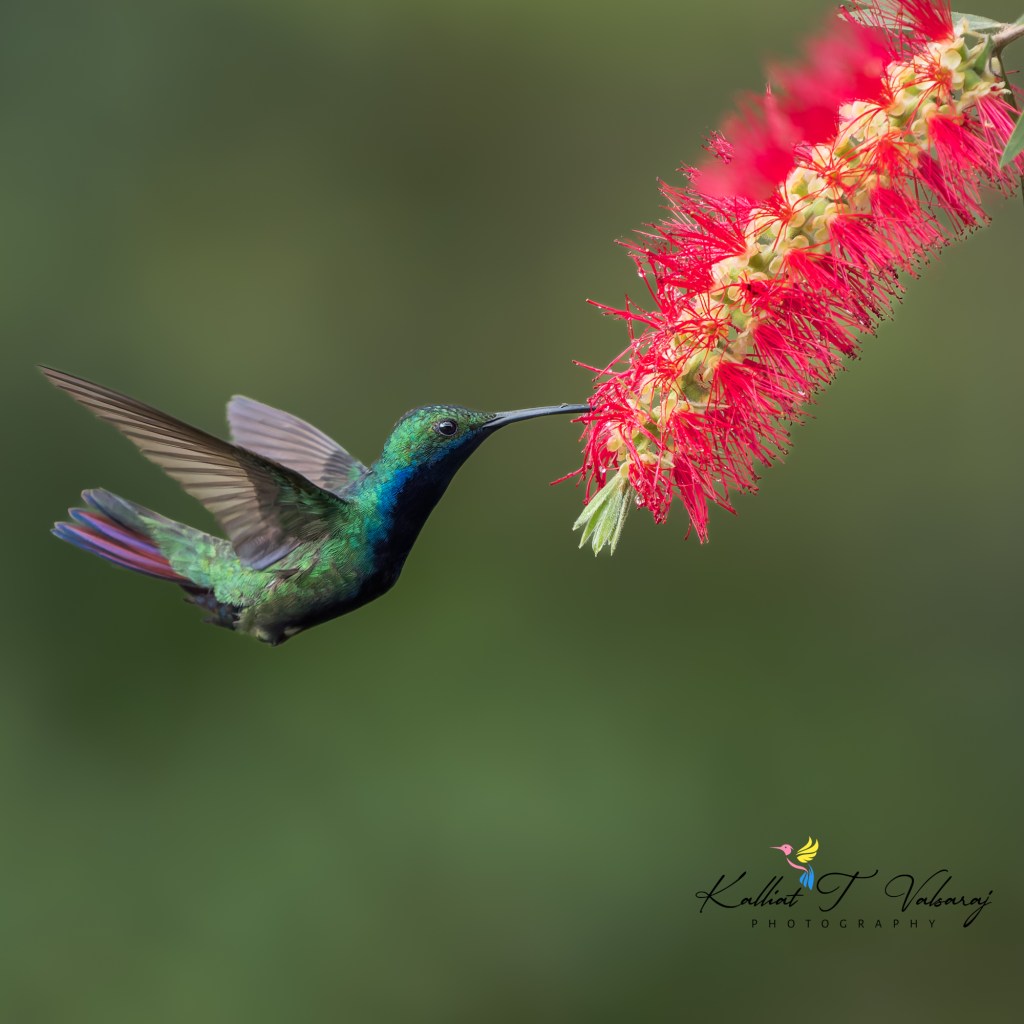
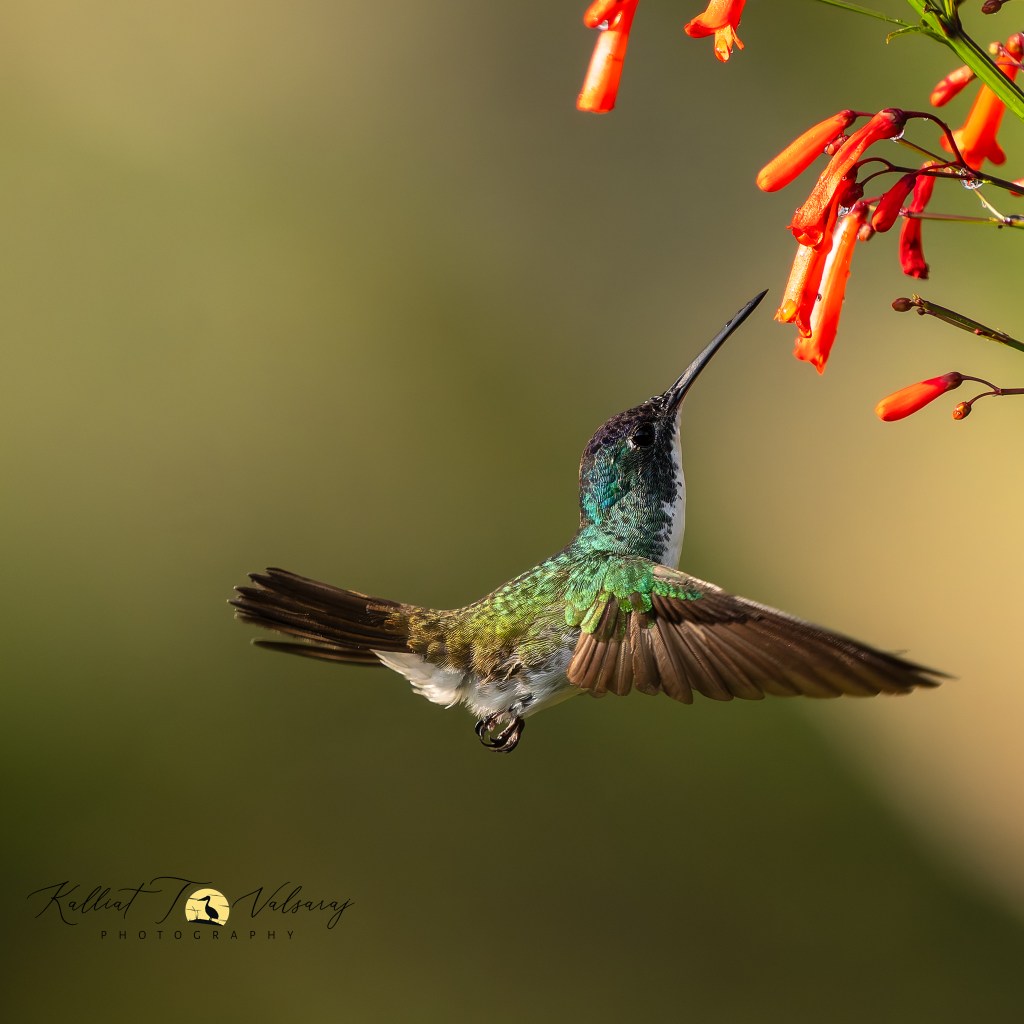
A number of hummingbirds and tanagers special to Colombia were also observed during the day.
Multicolored Tanager
White-necked Jacobin
Black-throated Mango
Andean Emerald
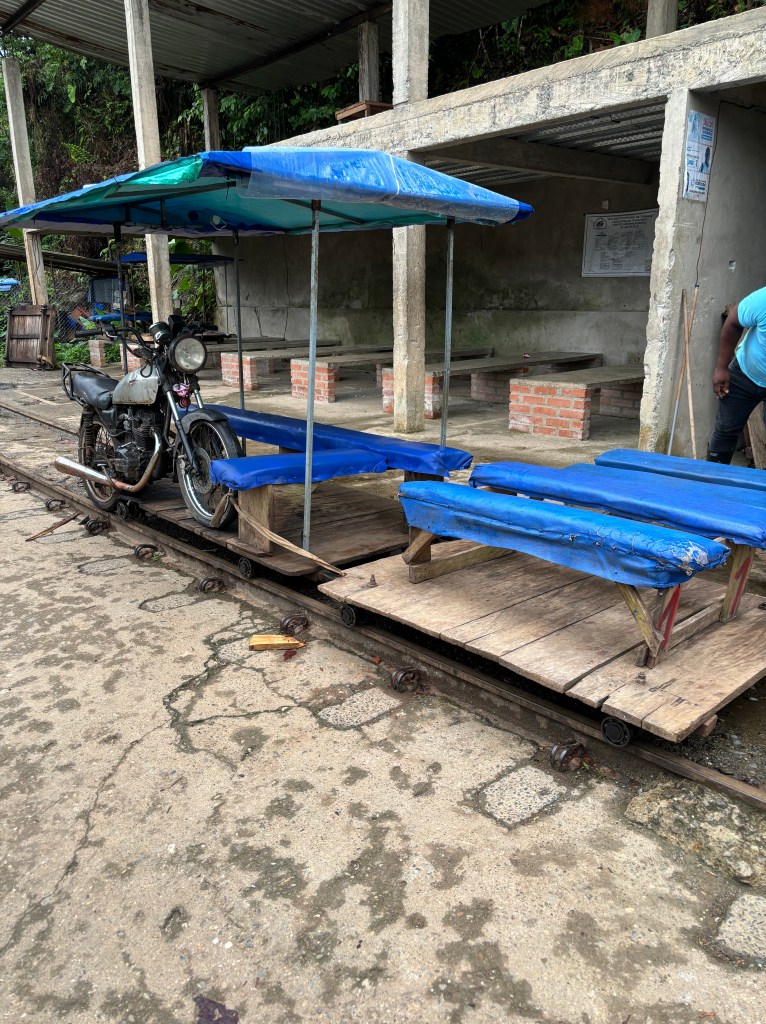
After a wonderful dinner at the lodge and restful sleep, we ventured out to the San Cipriano Nature Reserve in the port city of Buenaventura which was about 2 hours away. The route to the reserve is quite interesting and the use of the Brujita (Witch in Spanish ) for travel was a great experience. The reserve gave us plenty to see.
Brujita
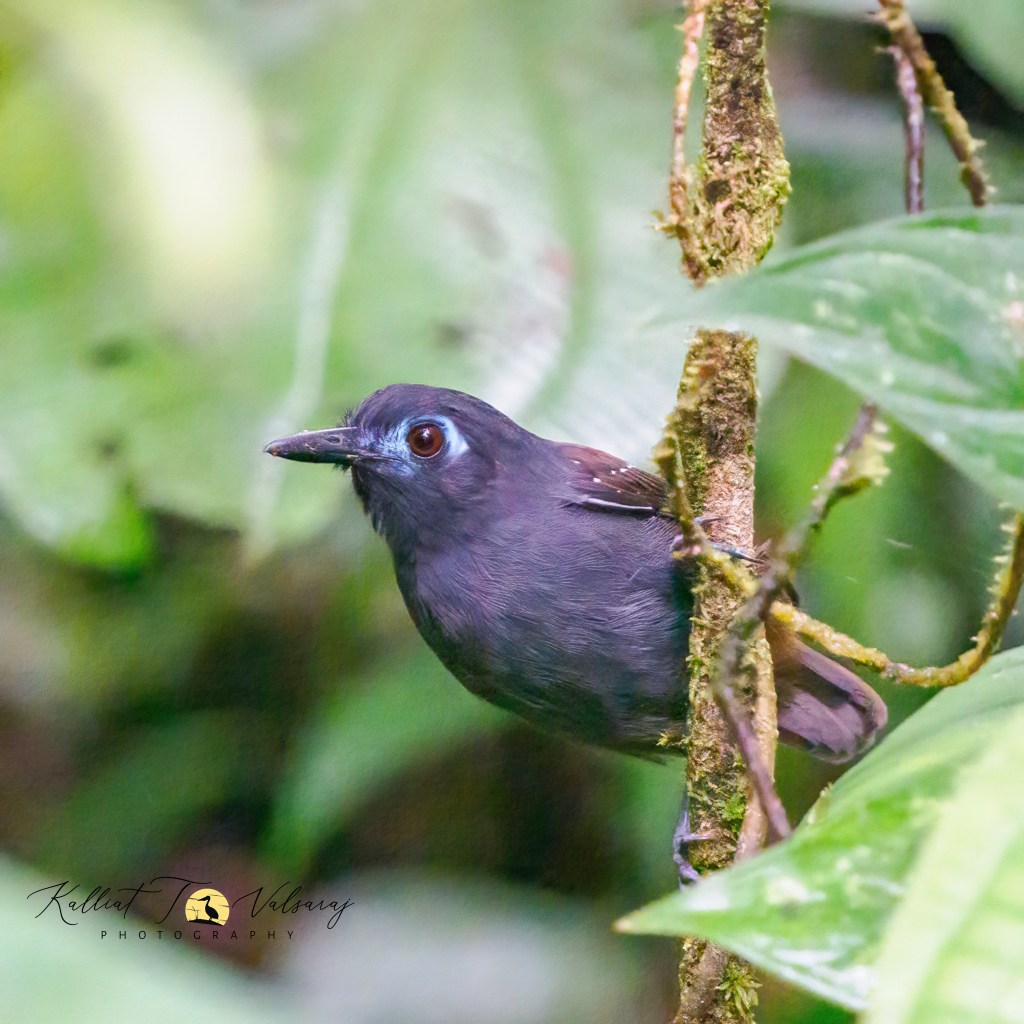
Chestnut Backed Antbird
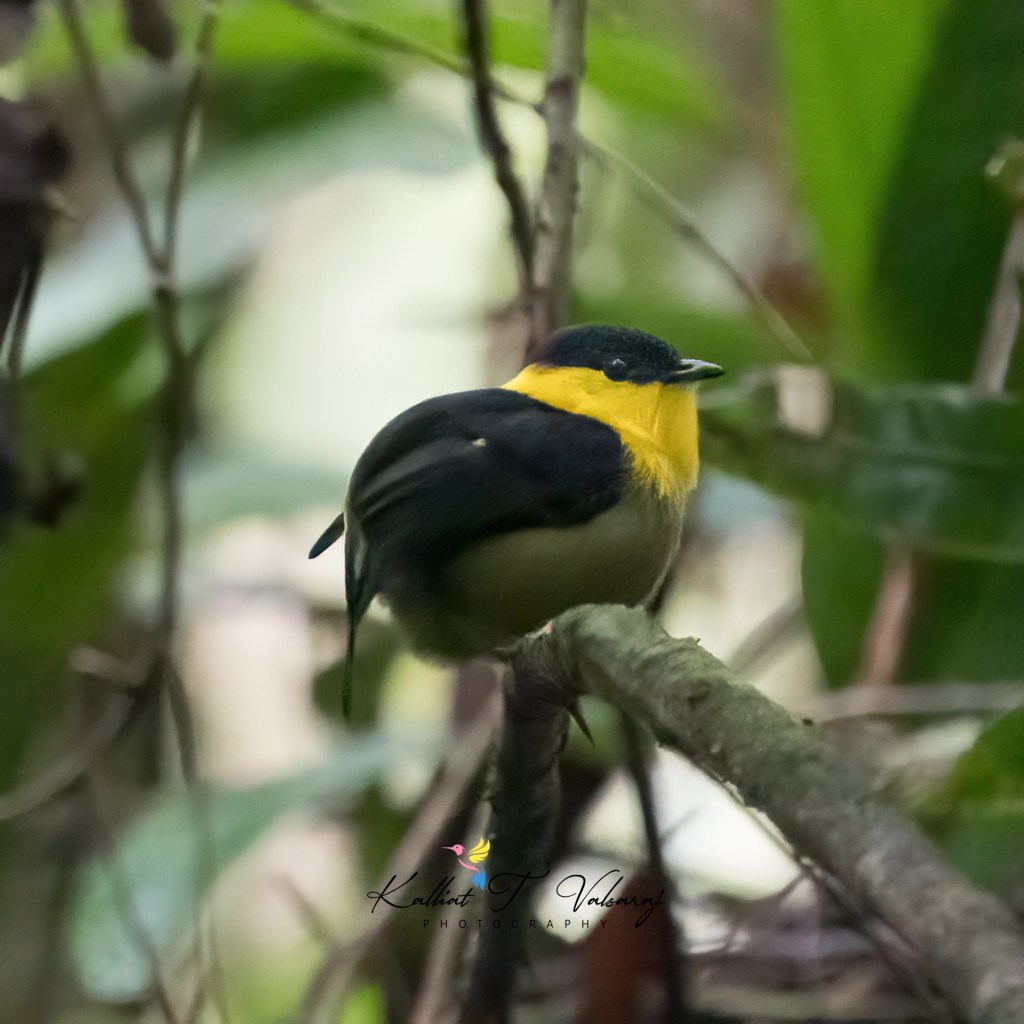
Golden Collared Manakin
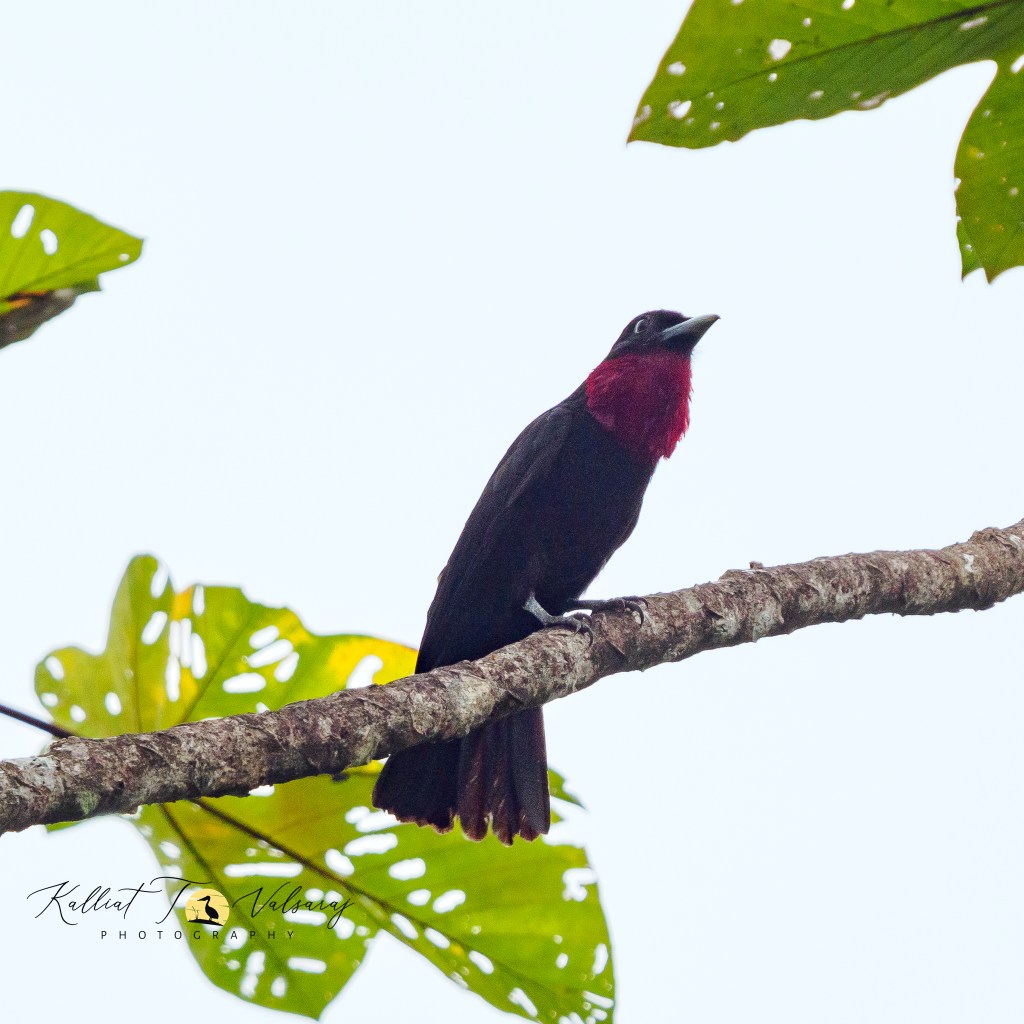
Purple-throated Fruitcrow
The third day of birding took us to the beautiful La Florida on Km 18 in Cali.
Scaled Antpitta

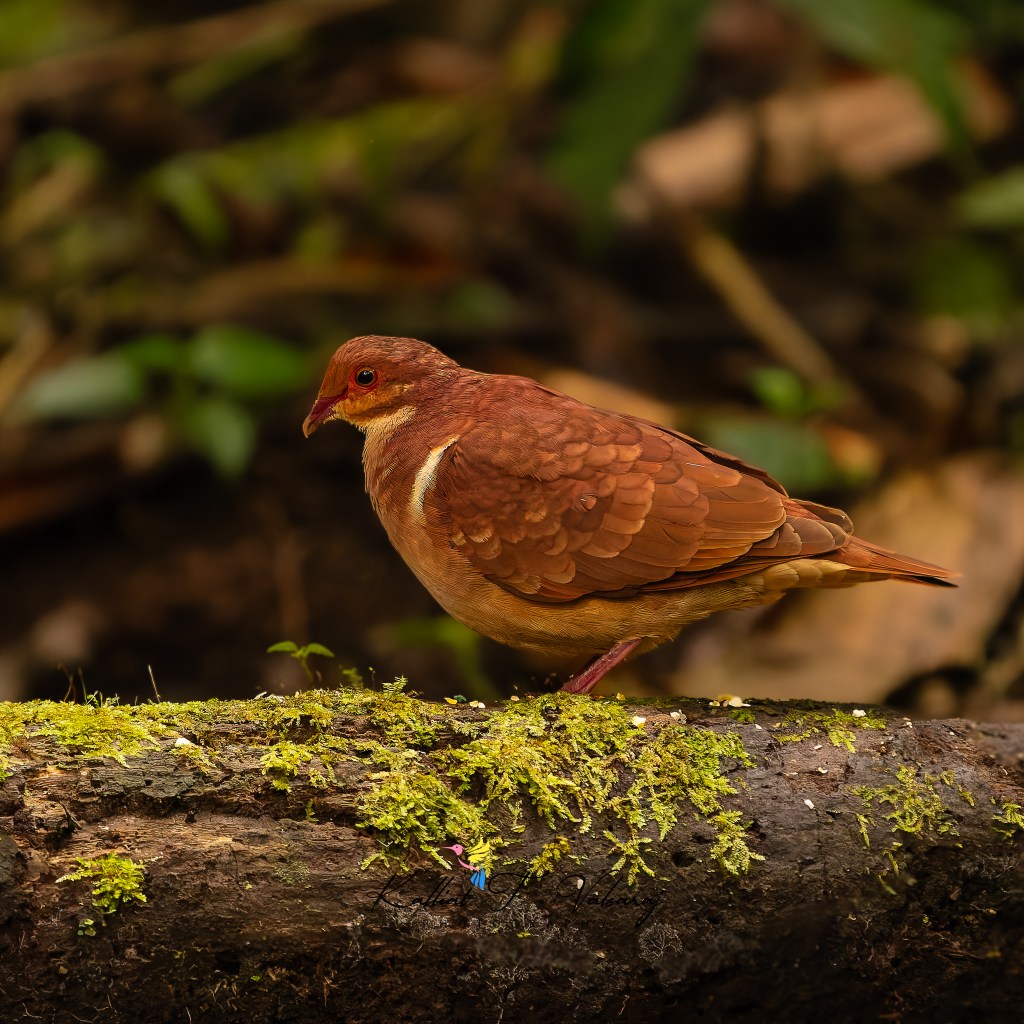
Ruddy Quail Dove
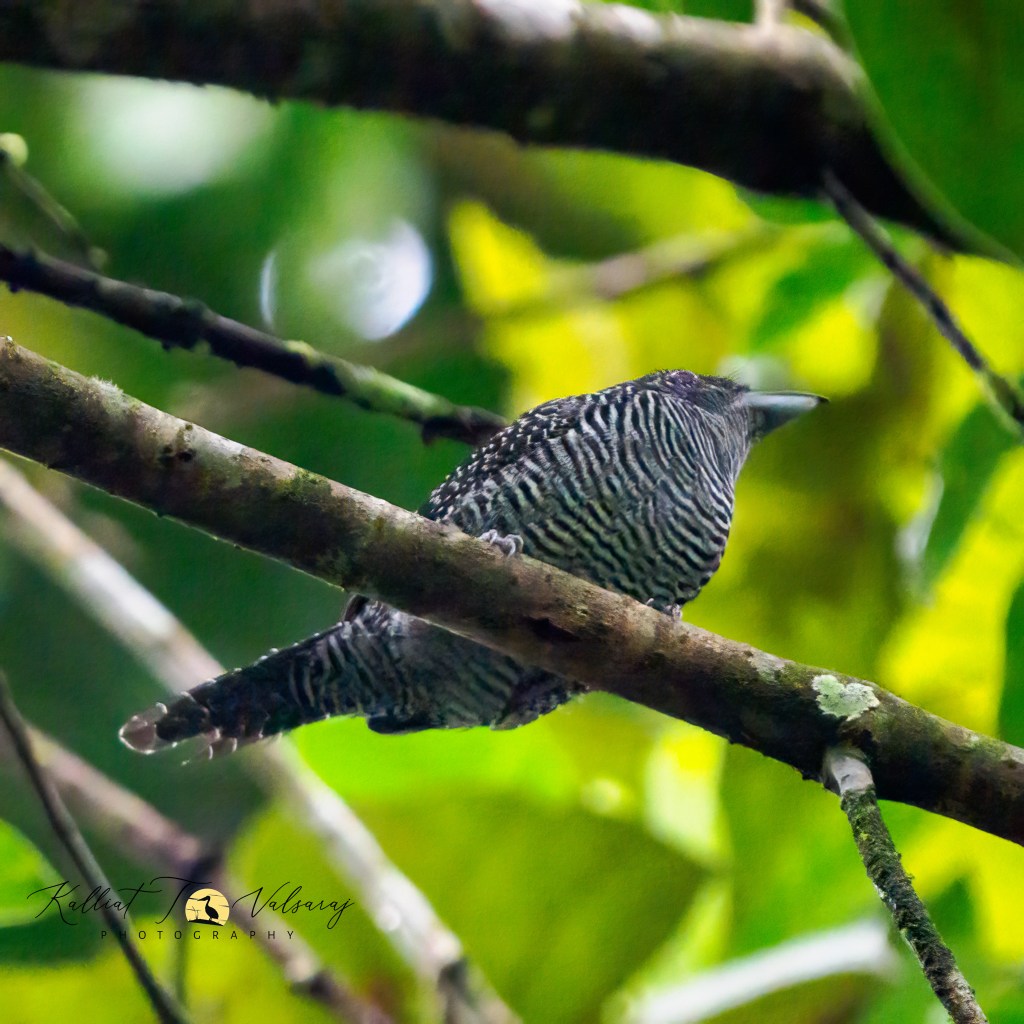
Barred Antshrike
After the afternoon lunch we embarked on a birding trip around the beautiful forest of the Aracuana lodge. A few species endemic to this region were the focus of our 2 hour hike.
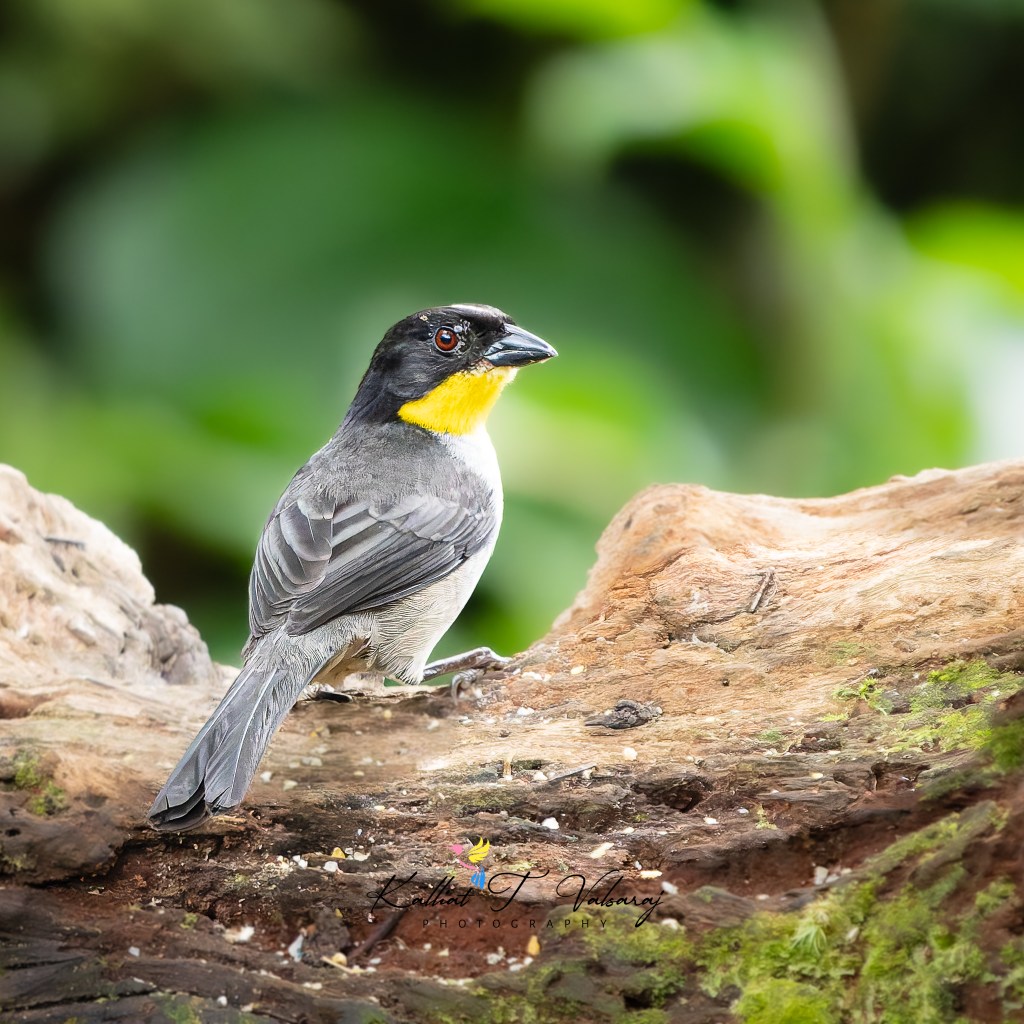
White-naped Brushfinch
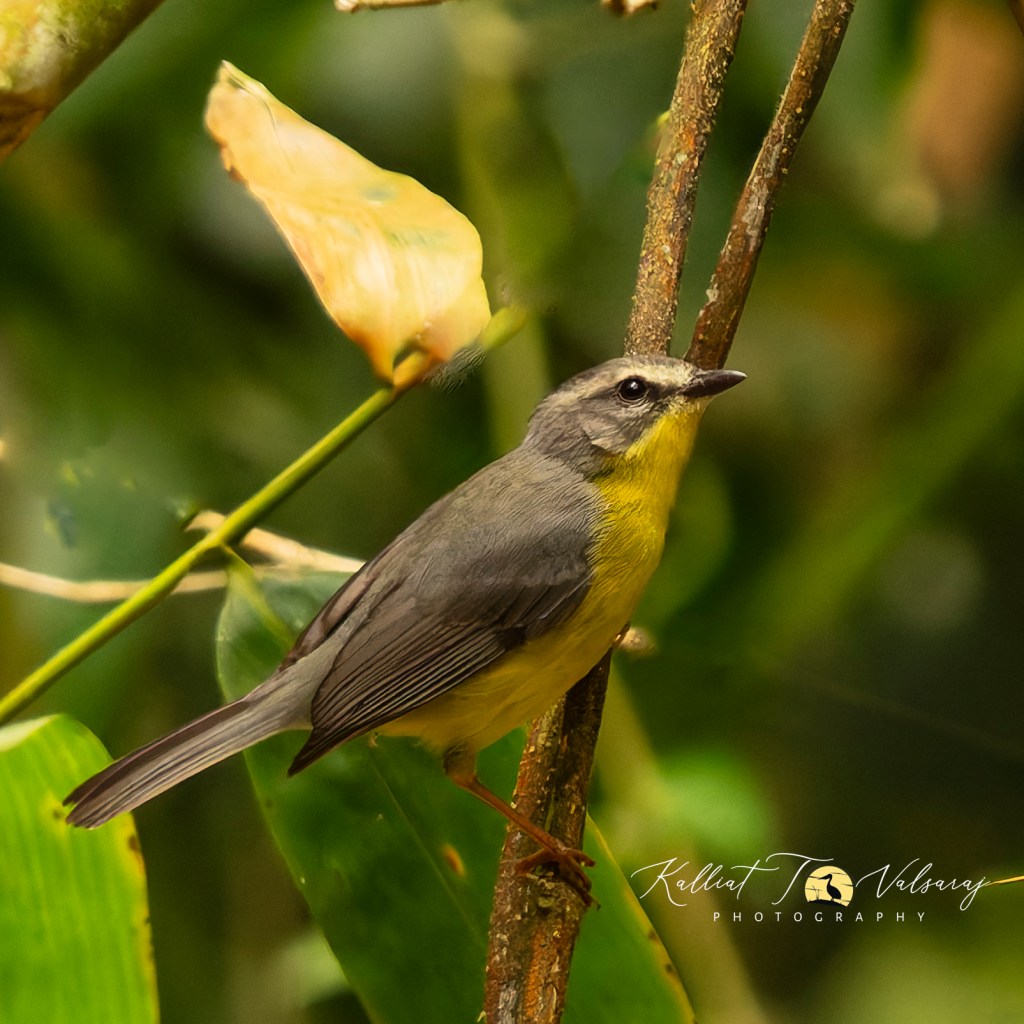
Golden Crowned Warbler
Day 4 of our birdwatching trip was a full day to the Laguna de Sonso reserve along the Cauca River. We spent the entire morning at the reserve and saw many parakeets and shorebirds there. In the afternoon we took a boat ride along the river to the Osprey lodge where a sumptuous lunch was served. The rest of the afternoon was spent birding near the Osprey lodge before returning to our lodge.
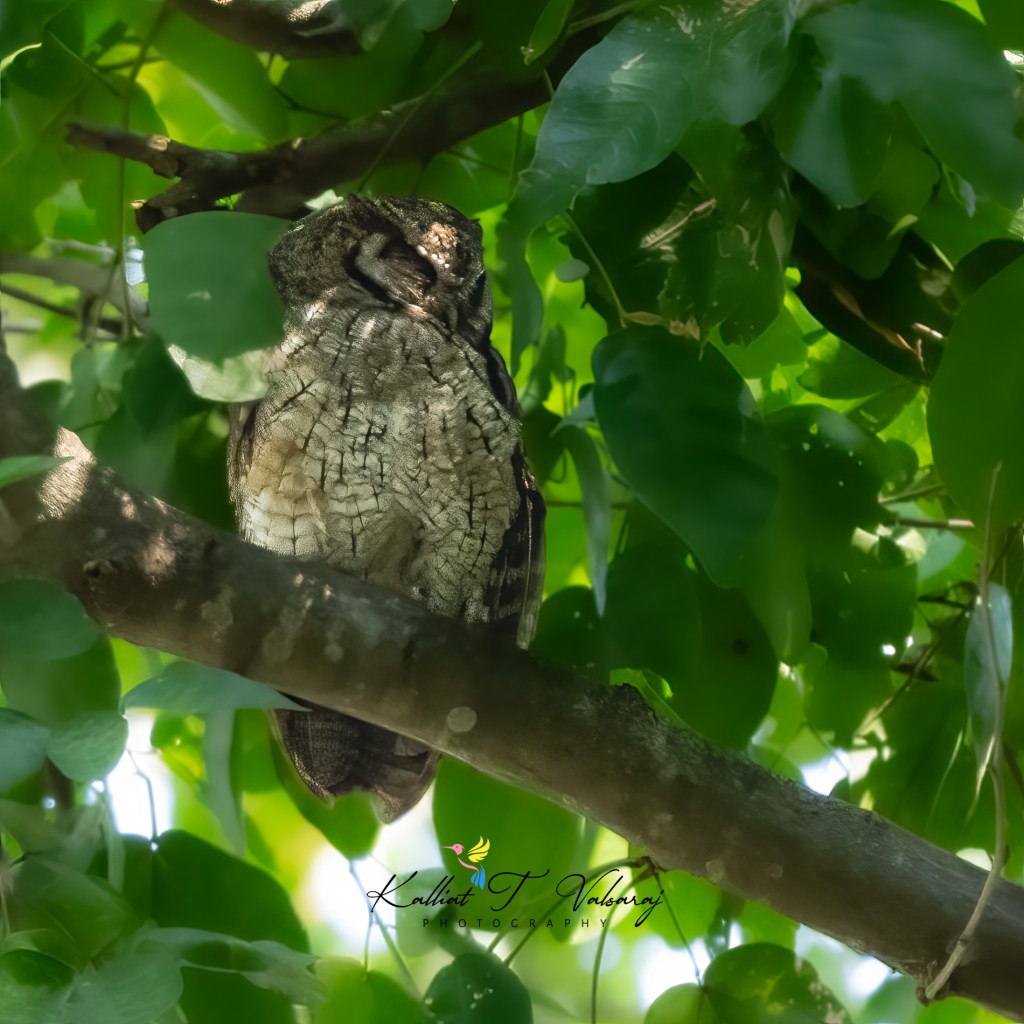
Tropical Screech Owl
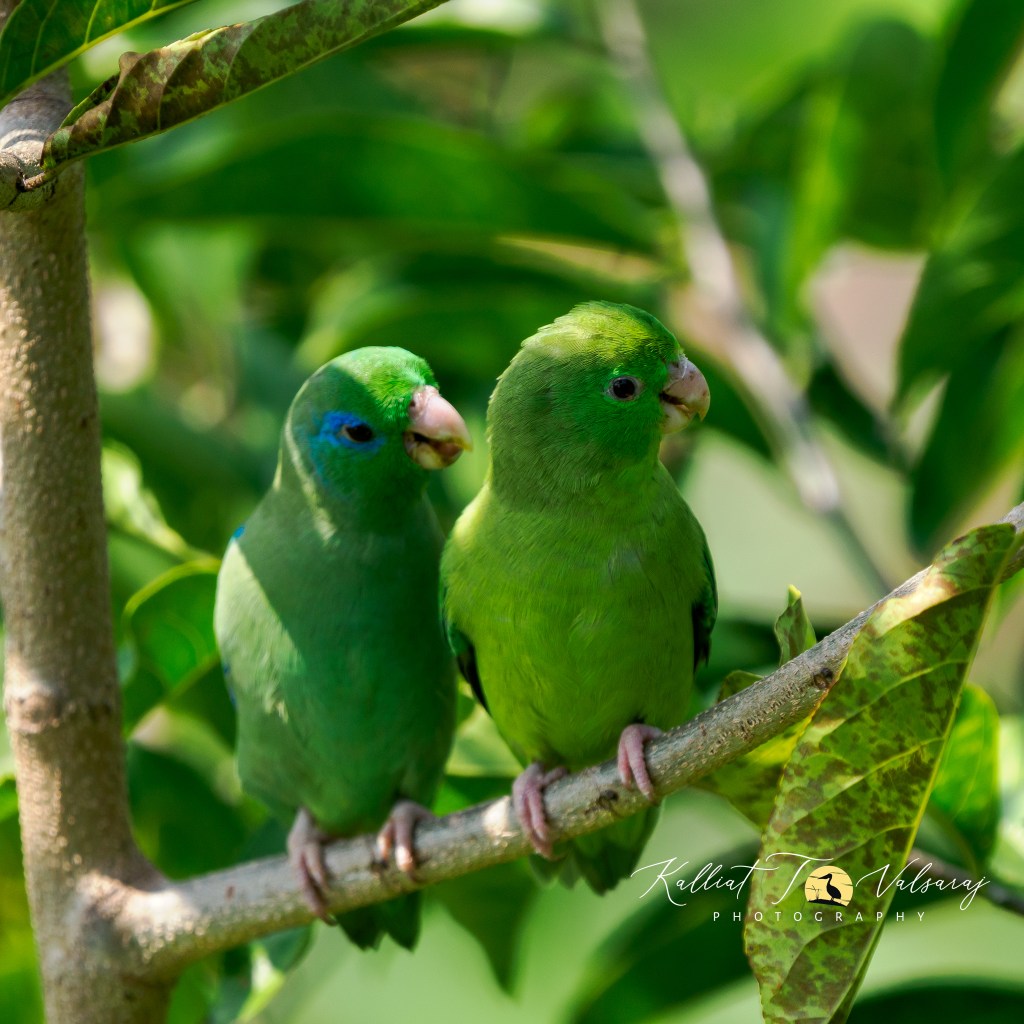
Spectacled Parakeet
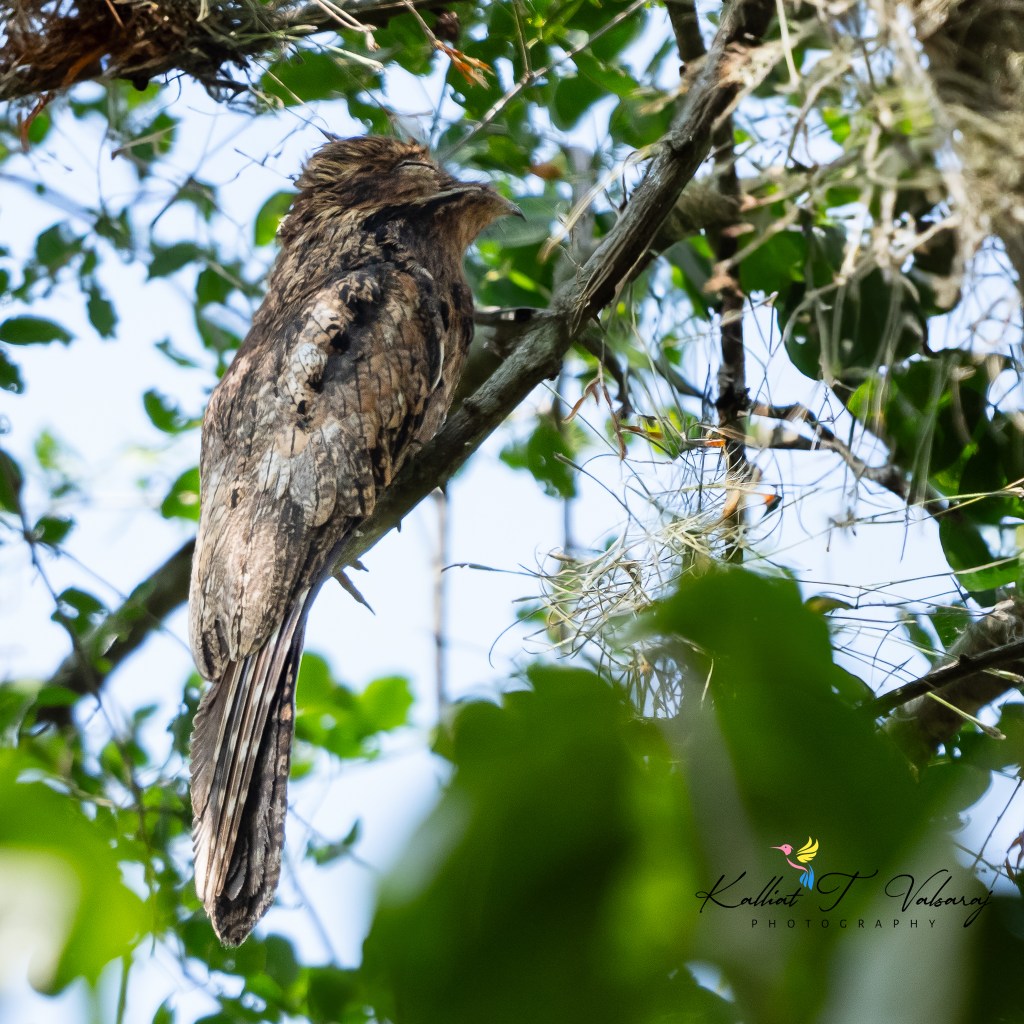
Common Potoo
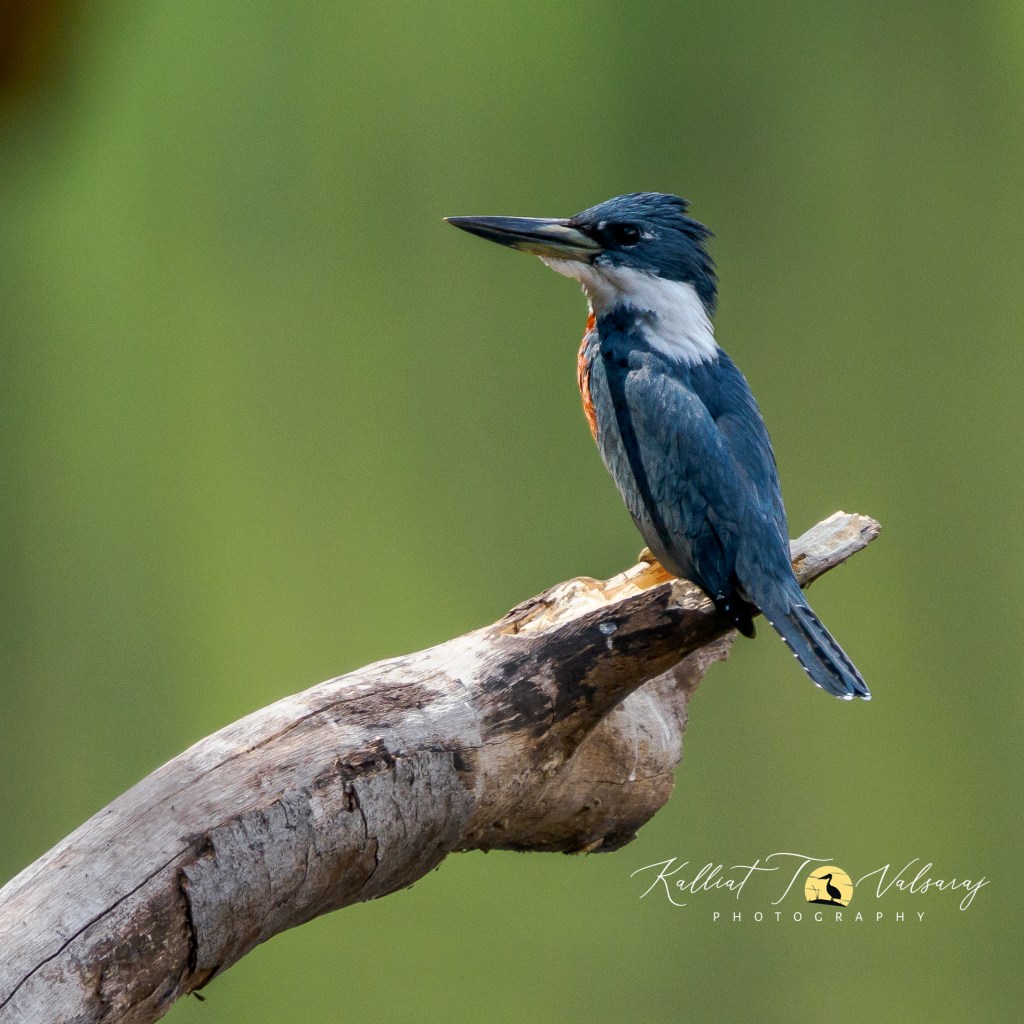
Amazon Kingfisher
Day 5 of our trip was spent on Km 50 Los Carros Viejos, another birding hotspot. The most famous of the birding hotspot is the Dona Dora nature reserve. After a wonderful traditional Colombian breakfast, we sat at the upper deck of the reserve watching so many birds come and go. The weather was cloudy and rainy to begin with but gradually cleared to give us some top sightings. This was where we saw the most beautiful and near threatened species, the Toucan Barbet. There were also many other birds that were all lifers for me.
Toucan Barbet

Red Headed Barbet
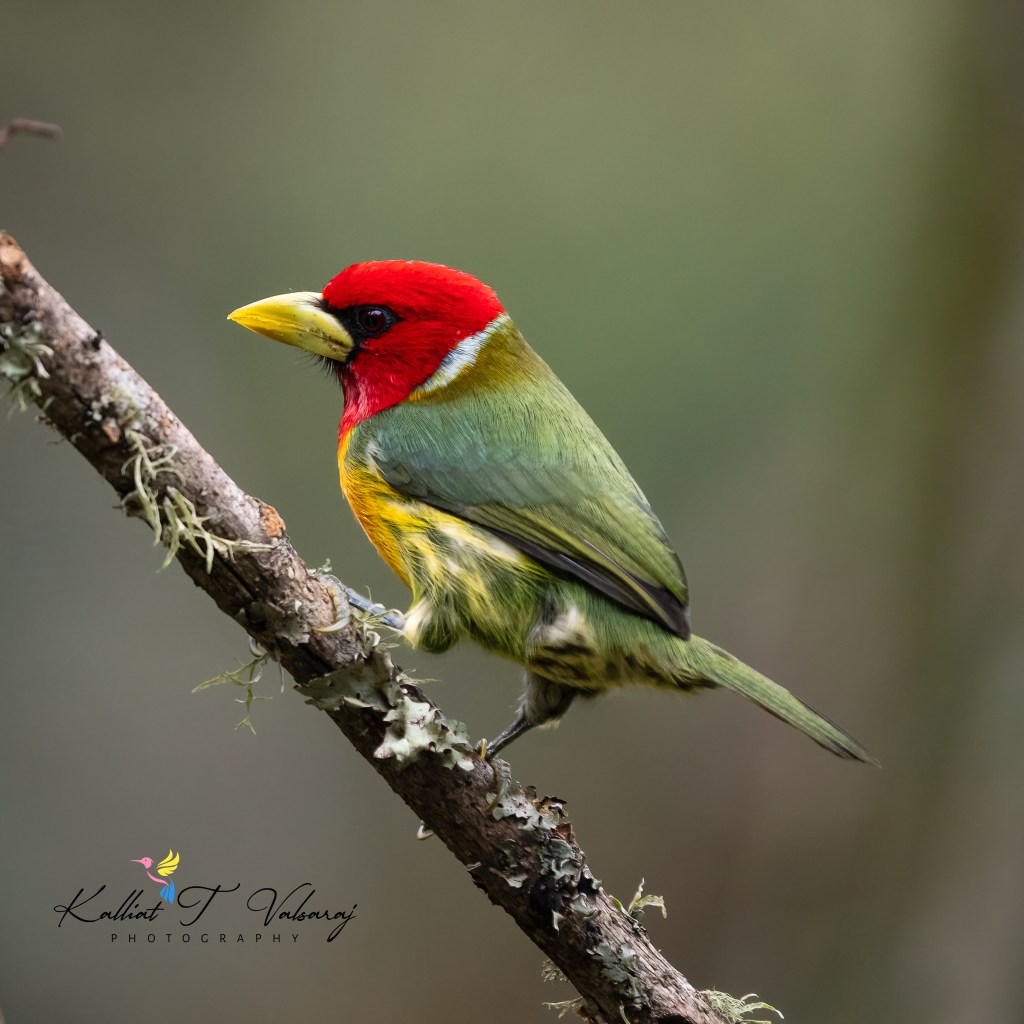
Spot Crowned Barbet
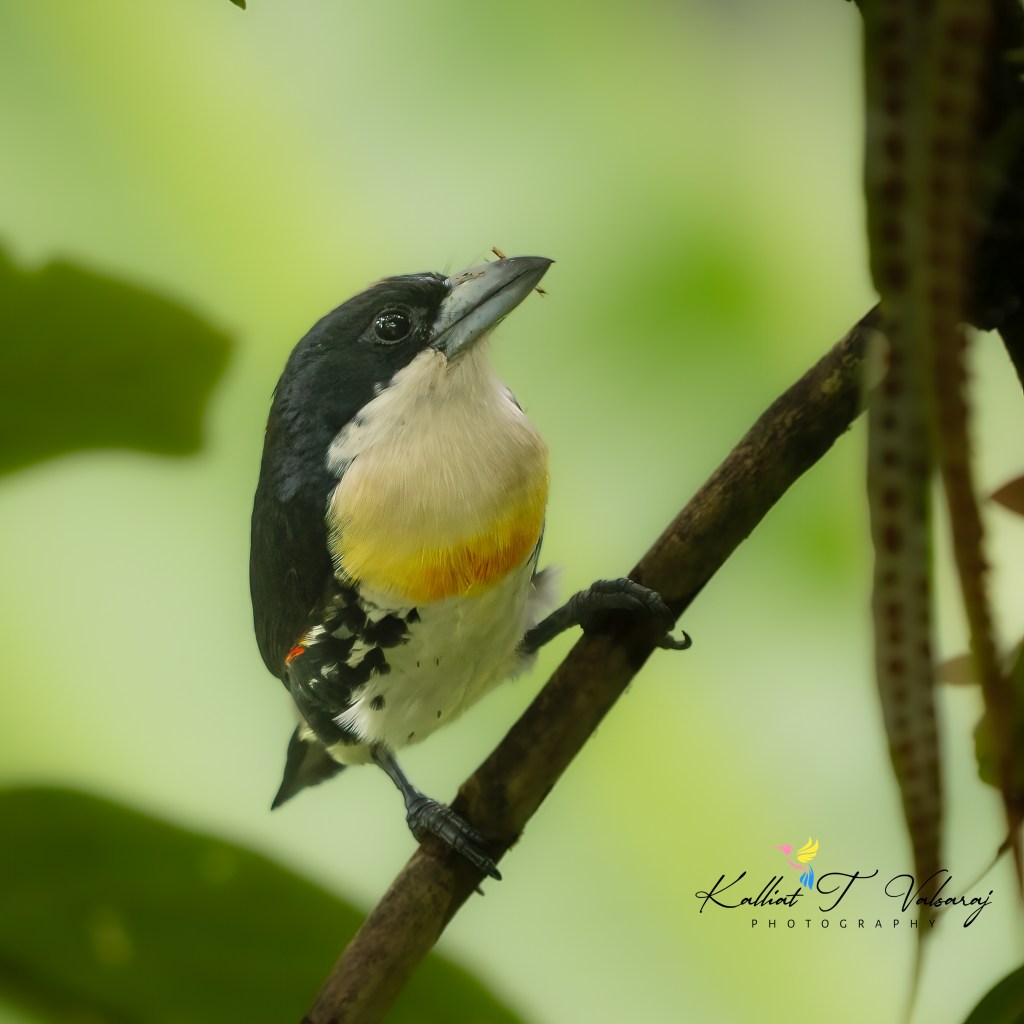
Black-capped Tanager

In the afternoon we set out to Rio Felicia Cali on I-19 to a farmhouse. A deep descend to a cloud forest nearby gave us the most exquisite view of the splendid Andean Cock of the Rock, a special bird that is endemic to Colombia and Peru. We got several beautiful shots of them contorting in the lek and then spend an exhausting climb up back the hill and drove back to our lodge for a great dinner of homemade pizzas and drinks.
Andean Cock of the Rock

The last day was a fun day of birding on and around the Aracuana lodge where we again observed several hummingbirds and other species. We then left for the Cali airport and flew back home to New Orleans via Miami.
Overall we saw 249 birds during the trip, of which 197 were “lifers” for me. One should recognize that approximately 1917 bird species have been identified in Colombia of which 95 are endemic. There are 160 hummingbirds in Colombia of which 9 are endemic. I feel fortunate to have seen at least 10% of that, which leaves a vast number unexplored that I hope to see in future trips. Colombia is a very special birdwatching country that I hope others would visit and enjoy.
There are problems and issues that are contributing to the decline in bird species in the country, some of which have to do with habitat loss, climate change, overuse of agricultural pesticides, replacement of forests with monoculture farms and other anthropogenic activities. However, one should feel hopeful due to the active involvement of non-profit societies such as the American Bird Conservancy, National Audubon Society, Nature Conservancy etc. that are acting to conserve areas for avian and wildlife habitation.

 Wild Trails Photography