
Wildlife Wanderings Photography Newsletter # 1
October 2025
Birding in the Great Basin: My Latest Photography Journey
Greetings, fellow nature and photography enthusiasts! I’m thrilled to share my recent adventure to Great Basin National Park, where I set out with my camera, a sense of wonder, and a keen eye for the park’s incredible birdlife.
Discovering the Birds of Great Basin National Park
Great Basin National Park, nestled in the heart of Nevada, is a hidden gem for wildlife photographers. From the soaring peaks of Wheeler Mountain to the lush riparian zones, the park is home to a fascinating variety of bird species. During my visit, I was fortunate enough to capture striking images of Mountain Bluebirds, Western Tanagers, and even spotted a pair of elusive Pinyon Jays. Early mornings provided the best light and the most active birds – a true photographer’s paradise!
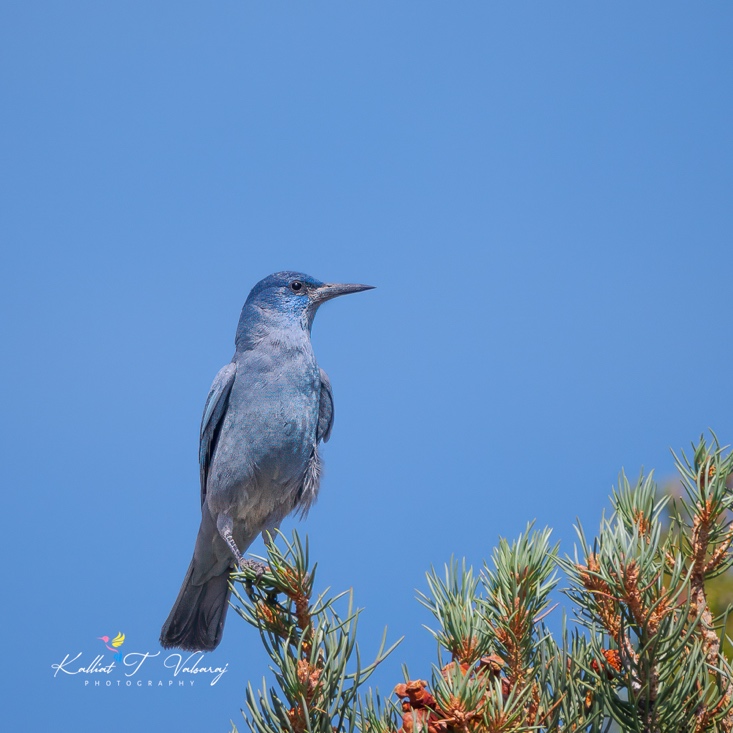
Figure 1. Pinyon Jay looking out over the Great Basin National Park. Photos taken with OM Digital OM1 Mkii with OM System M. Zuiko Digital 150-400 mm f/4.5 IS Pro Lens with 1.25TC. ISO 320, f/5.6, 1/2000 s, 500 mm.
One of the highlights was watching a flock of Dark-eyed Juncos gathering near the Ruby Lake atop the Ruby mountains at sunrise. The interplay of soft morning light and dewdrops on the grass created dreamy scenes that I was excited to capture and share with you all on my website.
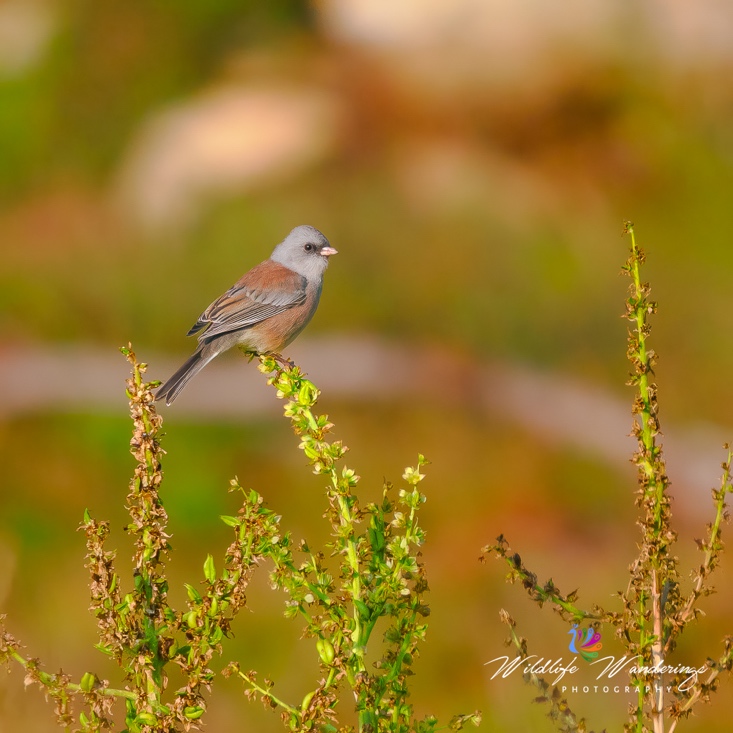
Figure 2. Dark-eyed Junco enjoying an early morning snack beside the beautiful Ruby Lakes. Photo taken with OM System OM1 Mk ii with OM System M. Zuiko Digital 15-400 mm f/4.5 IS Pro Lens with 1.25TC. ISO 640, f/5.6, 1/1600 s, 500 mm.
Behind the Lens: Tips for Beginner Bird Photographers
Are you inspired to start your own bird photography adventure? Here are some essential tips that I’ve gathered from experience:
- Know Your Subjects: Spend some time observing birds in your area. Learn their habits and favorite spots. Patience and observation are just as important as the camera you bring.
- Invest in the Right Gear: A camera with a fast autofocus and a telephoto lens (300mm or longer is ideal) makes a world of difference. Don’t worry if you’re starting with basic equipment—composition and patience can yield stunning results.
- Perfect Your Technique: Use a fast shutter speed (1/1000 sec or faster) to freeze motion. Practice tracking birds in flight and focus on their eyes for engaging portraits.
- Mind the Light: Early morning or late afternoon (“golden hour”) offers the best natural lighting. Overcast days can also produce soft, beautiful results without harsh shadows.
- Respect Wildlife and Environment: Always keep a safe distance from birds and their habitats. Avoid disturbing nesting sites and follow park guidelines to ensure that your presence doesn’t negatively impact the ecosystem.
- Edit Thoughtfully: Post-processing is part of modern photography. Adjust exposure, contrast, and sharpness to bring out the best in your images, but avoid excessive editing that misrepresents the scene.
Join My Journey
Thank you for following Wildlife Wanderings Photography! To see more images from my Great Basin National Park trip, visit willife-wanderings-photography.com. Feel free to share your own bird photography stories, questions, or beginner tips with our community—let’s inspire each other to keep exploring and capturing the beauty of the natural world.
Until next time, happy wandering and photographing!
 Wild Trails Photography