The Pantanal, a sprawling wetland encompassing 200,000 square kilometers, lies within the borders of Brazil, Bolivia, and Paraguay, forming part of the Amazonian basin. Over 75% of this stunning area is situated in Brazil, predominantly within the states of Mato Grosso and Mato Grosso do Sul. Its wildlife diversity rivals that of the iconic Serengeti in Africa, showcasing an incredible array of mammals, birds, reptiles, and plant life. Much of the land in this region is privately owned by ranchers, encompassing wetlands, savannas, cerrado, and forests.
My exhilarating photo journey began with a flight from New Orleans to Miami on October 14th, courtesy of American Airlines. I spent five hours in the exceptional American Airlines Flagship Lounge in Miami, preparing for the next leg of my journey. Boarding a Business Class flight, I arrived in São Paulo early the following morning after a lengthy 7.5-hour flight.
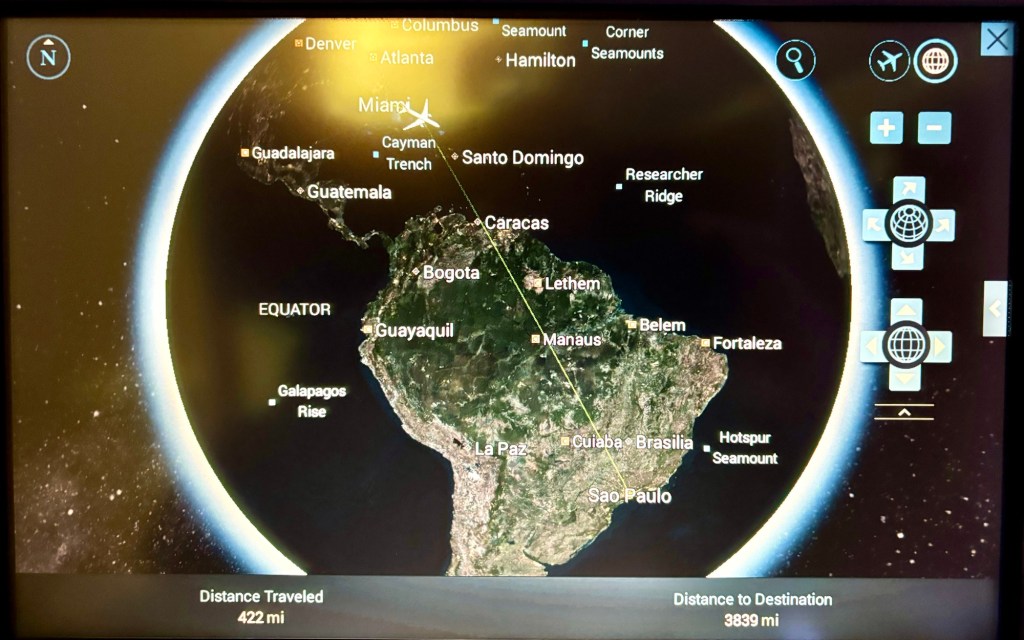
Following a long trek through São Paulo International Airport for my transfer to a domestic flight with GOL, I finally reached Cuiaba around 9:30 AM. Joining me on this adventure were four fellow travelers: Sumeet Parab and his wife Gauri from Singapore, and Babu and Anita Chopra from California, along with our local guide, Fisher de Souza, who spoke fluent English and possessed extensive wildlife knowledge. We stayed at the SLIM hotel, which, unfortunately, lived up to its name in terms of amenities; the rooms were modest, and the establishment appeared dated.
**Day 1**
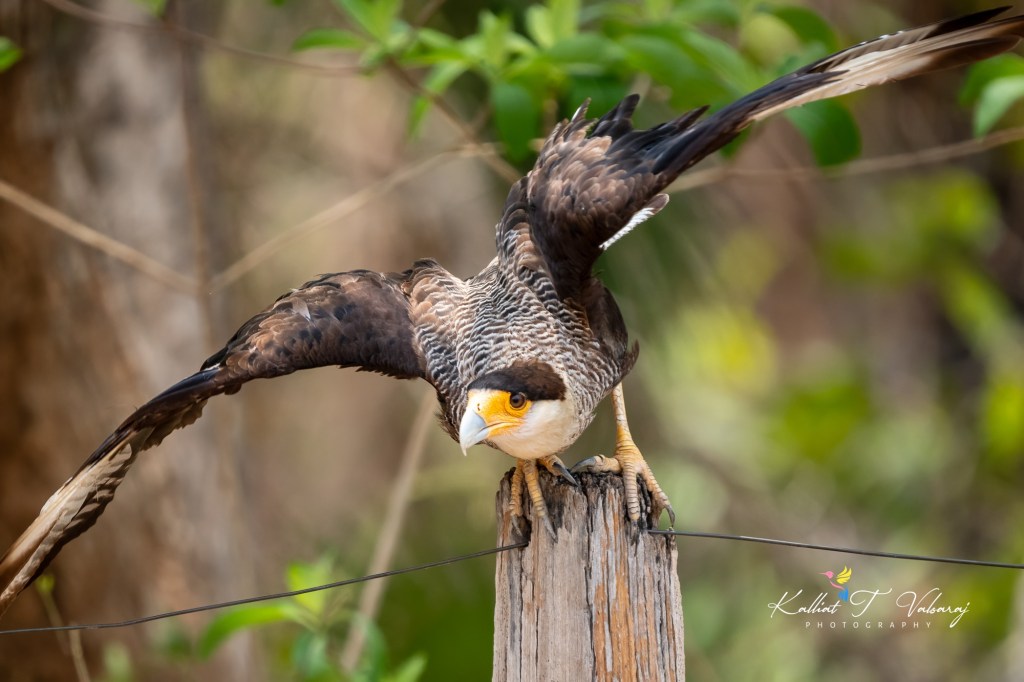
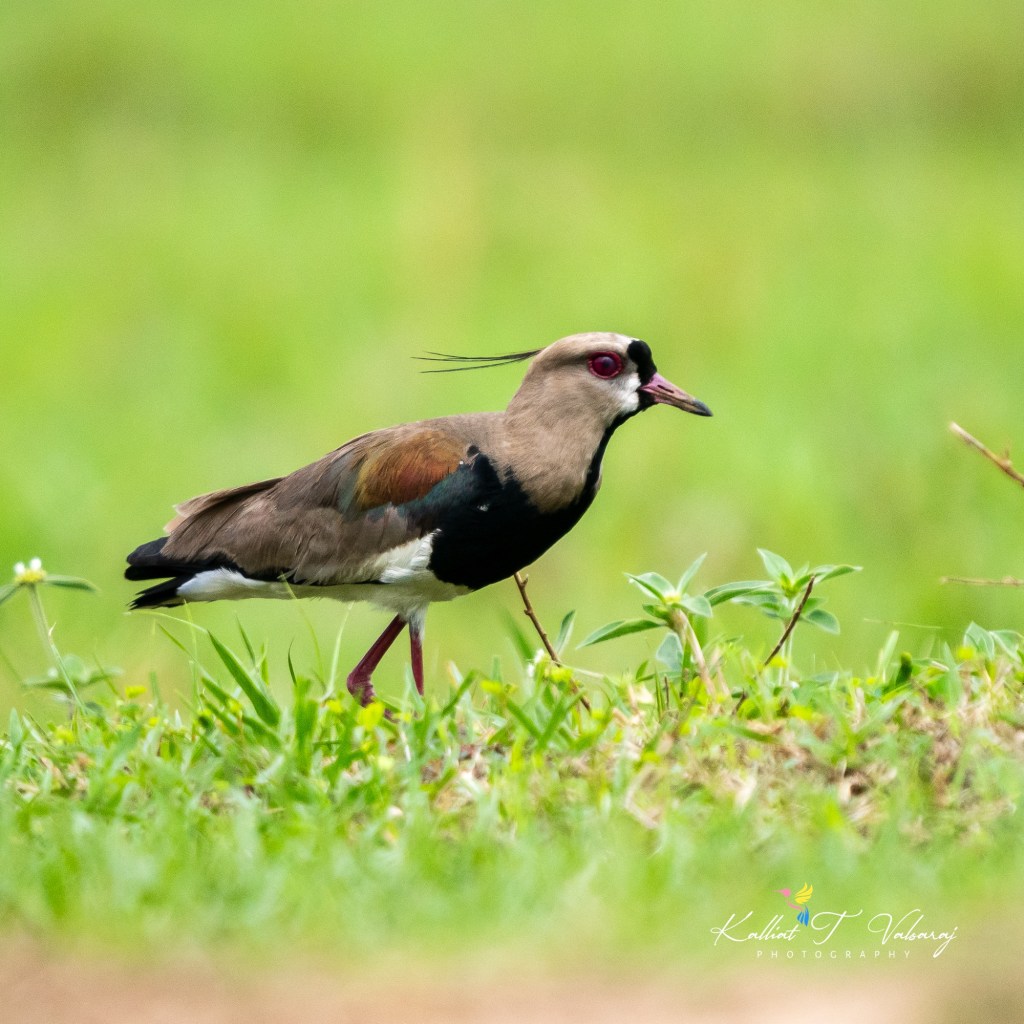
After breakfast, we departed for Pantanal at 8 AM, enjoying roadside birdwatching along the famous Transpantaneira highway.

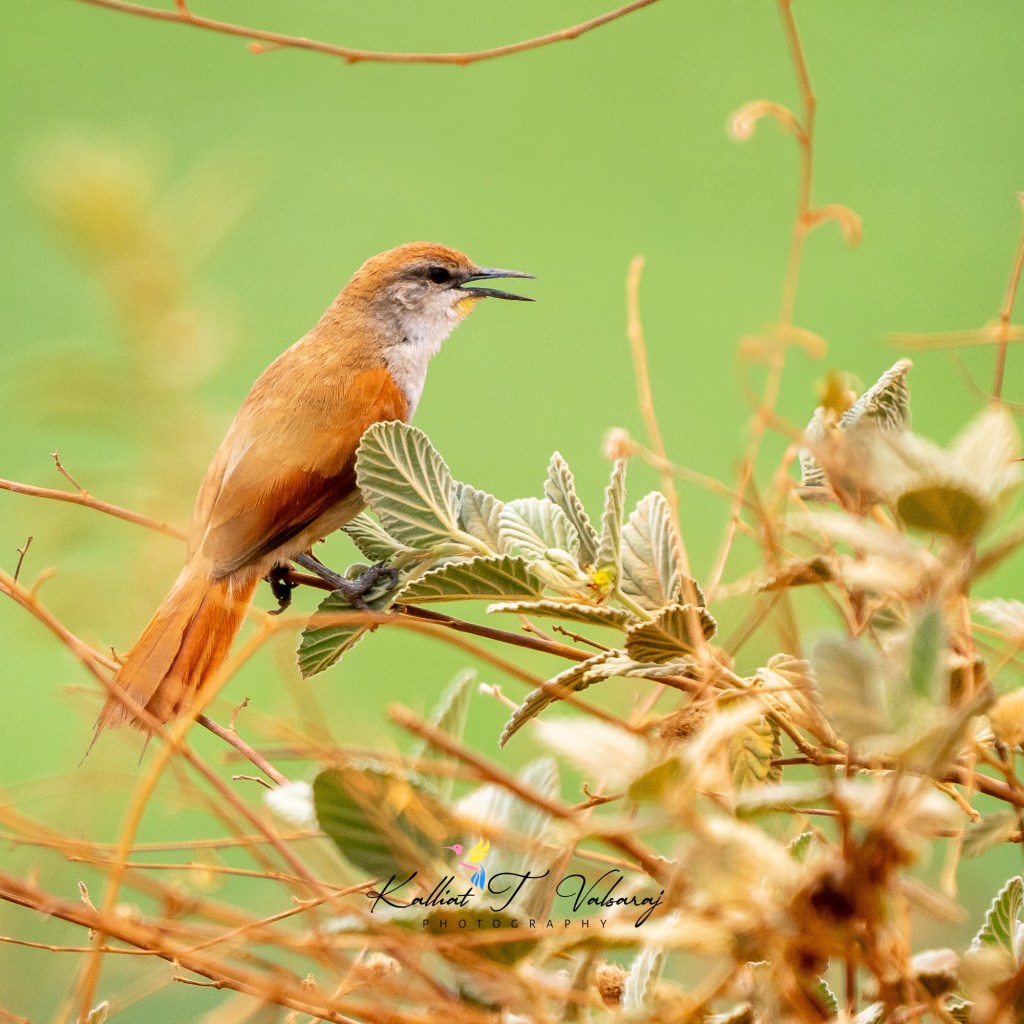
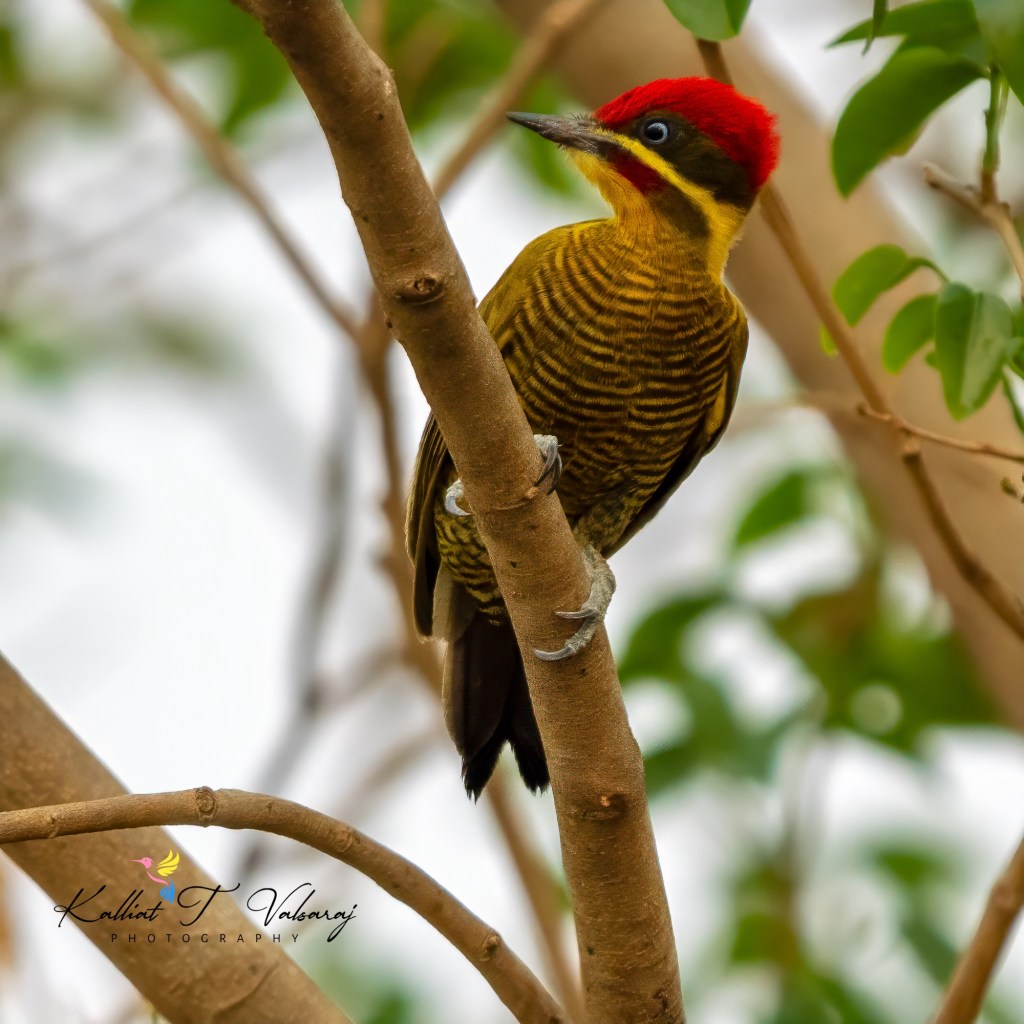
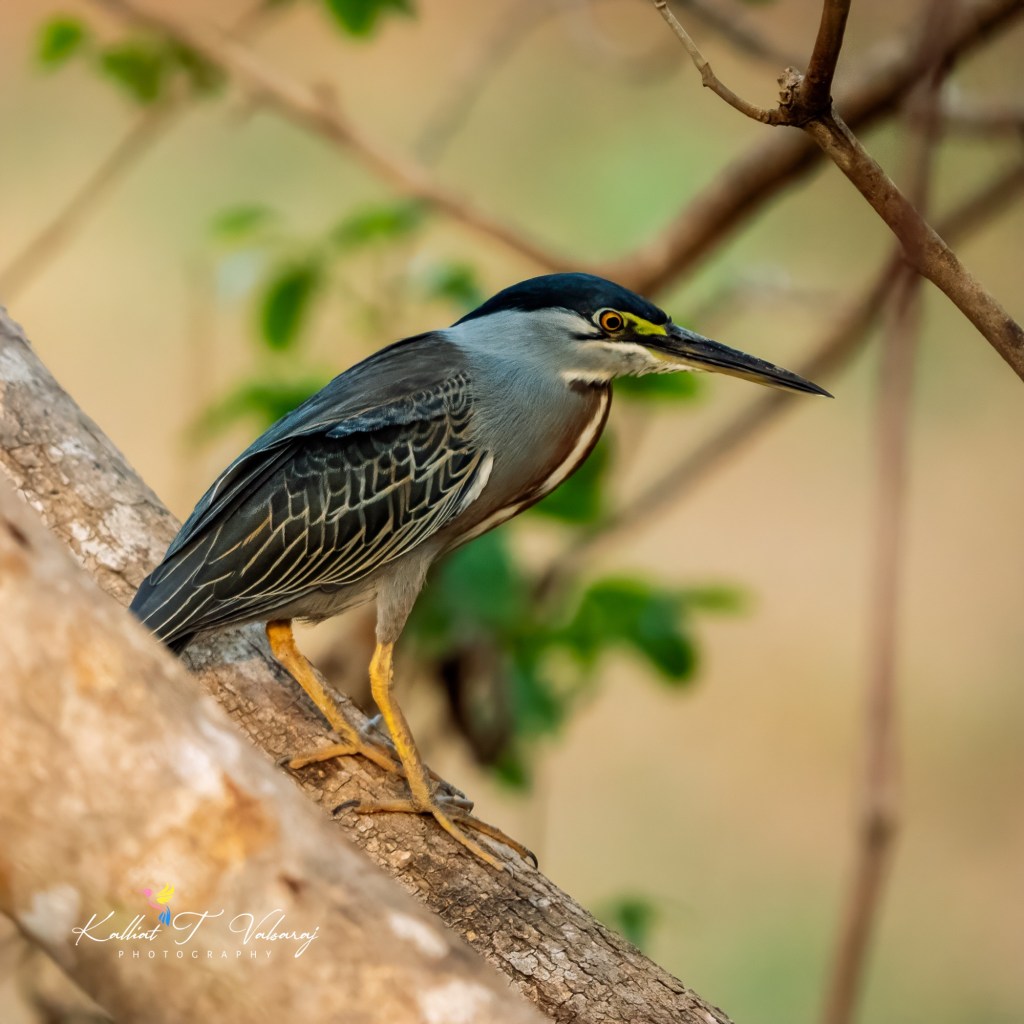
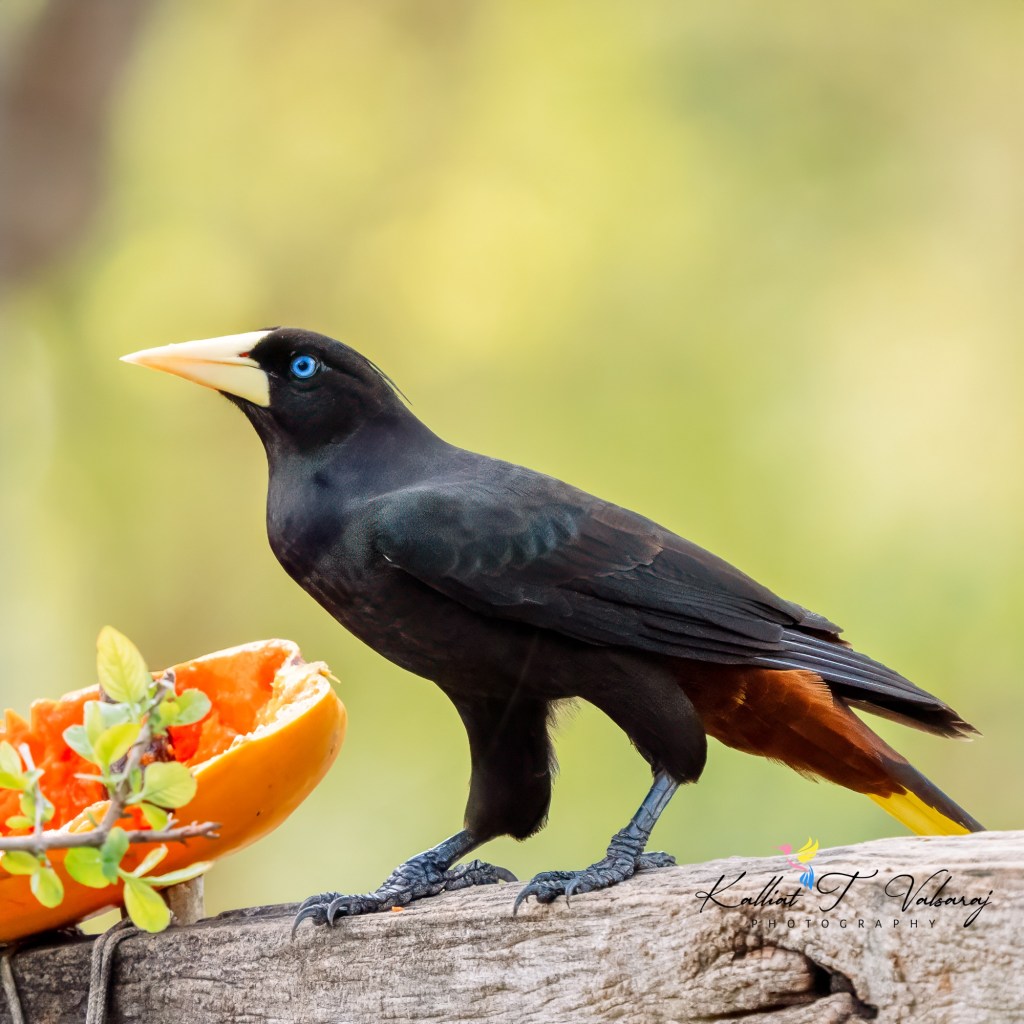
This provided us the chance to spot numerous lifers and other fascinating species. We indulged in a delightful lunch at Hotel Pantanal Mato Grosso, where a variety of birds gathered around the feeders. The river nearby was teeming with caimans and capybaras. We arrived at Hotel Porto Jofre at 6:30 PM, checked in, and promptly had dinner. The lodge consisted of a charming cluster of about 30 cottages with a spacious dining area, though concierge services were limited. The food during our stay remained constant, leaving me somewhat underwhelmed. After a tiring day, I fell asleep quickly, waking up refreshed at 5:30 AM.

**Day 2**
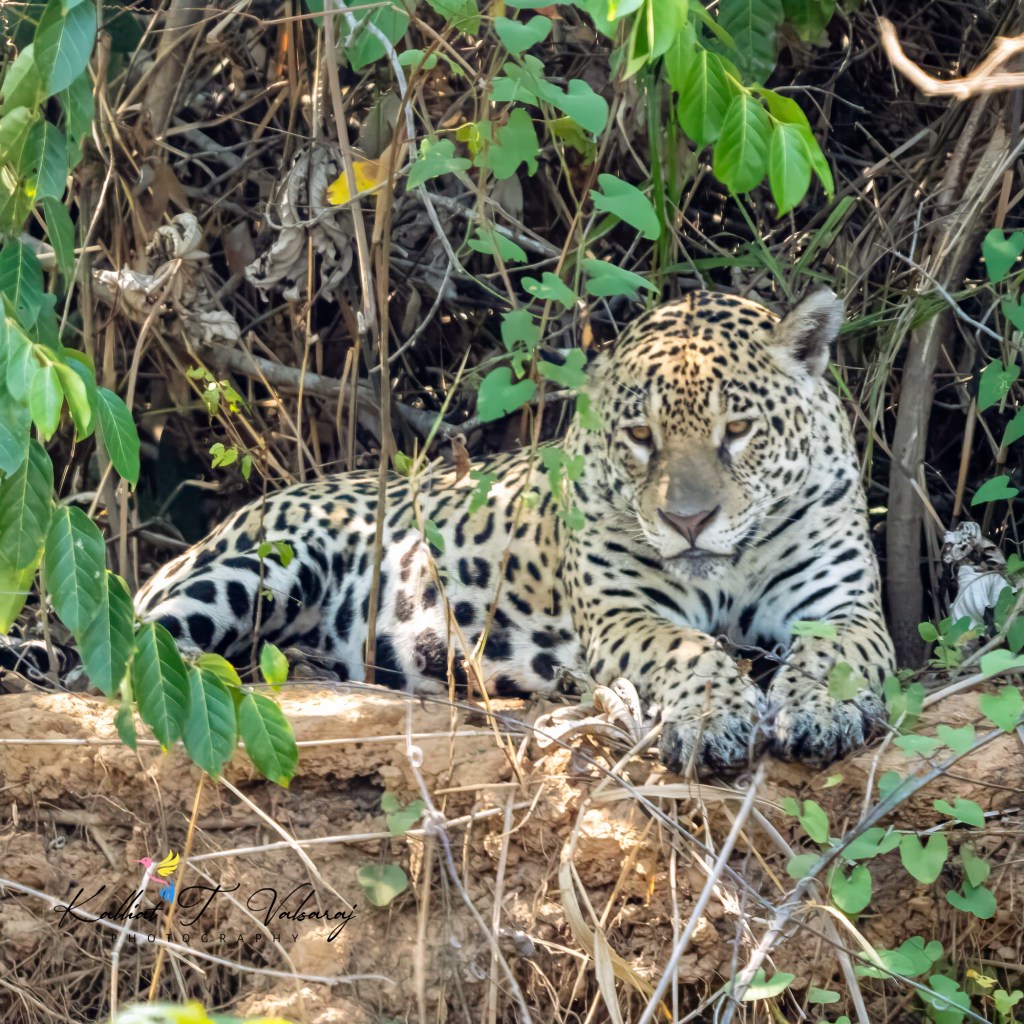
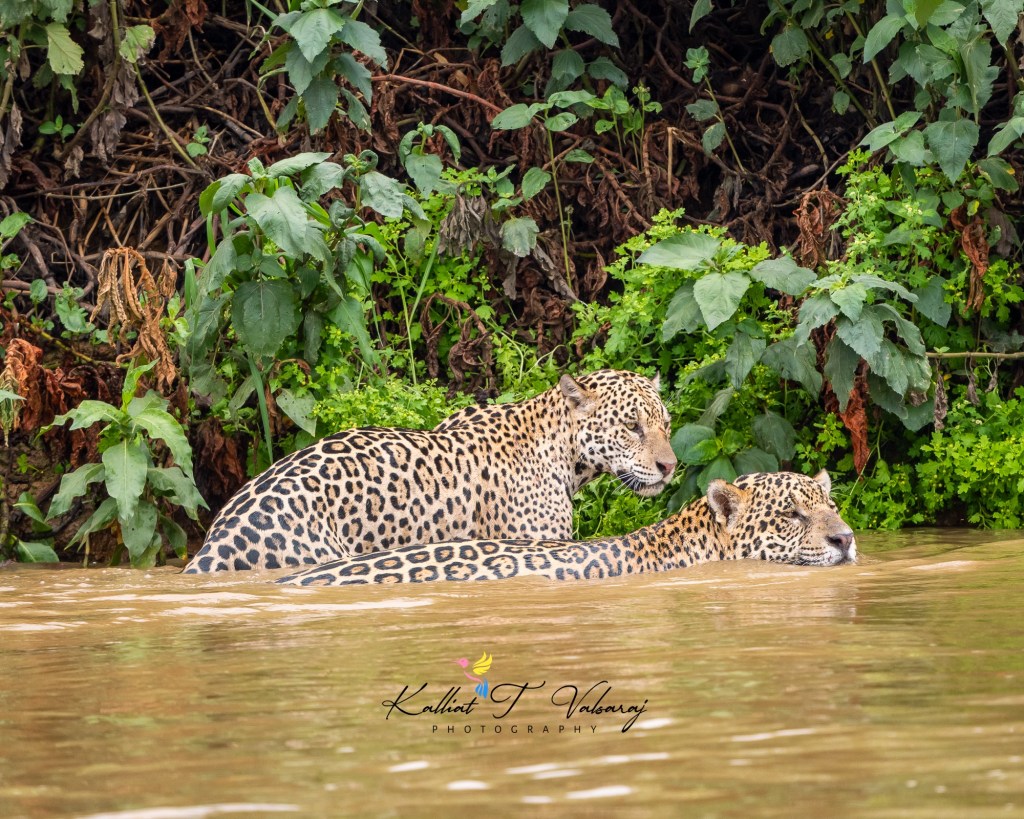
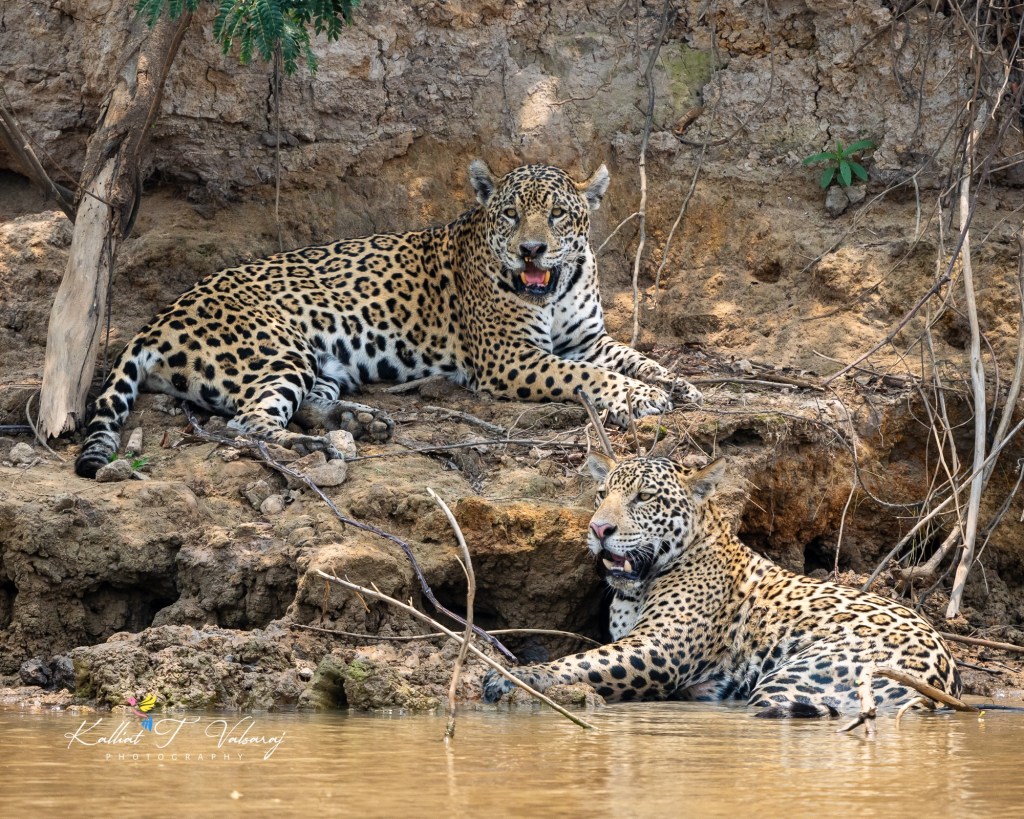
Breakfast commenced at 6 AM, followed by our first river safari, launching from the jetty. Just minutes into our adventure, we spotted a female jaguar along the riverbank, capturing stunning photographs before continuing our search for more wildlife. After returning to the lodge for lunch during the hot afternoon, we embarked on another safari at 2:30 PM, which led us to three additional female jaguars. By the end of the day, we had encountered five remarkable jaguar sightings. One jaguar, which we tracked for two miles, swam near the shore and roamed the riverbank, allowing us ample opportunities for stunning shots. We returned to the lodge around 5:30 PM, freshened up, and enjoyed a hearty dinner while Fisher de Souza shared captivating tales from our safaris. We then retired for the night.


**Day 3**
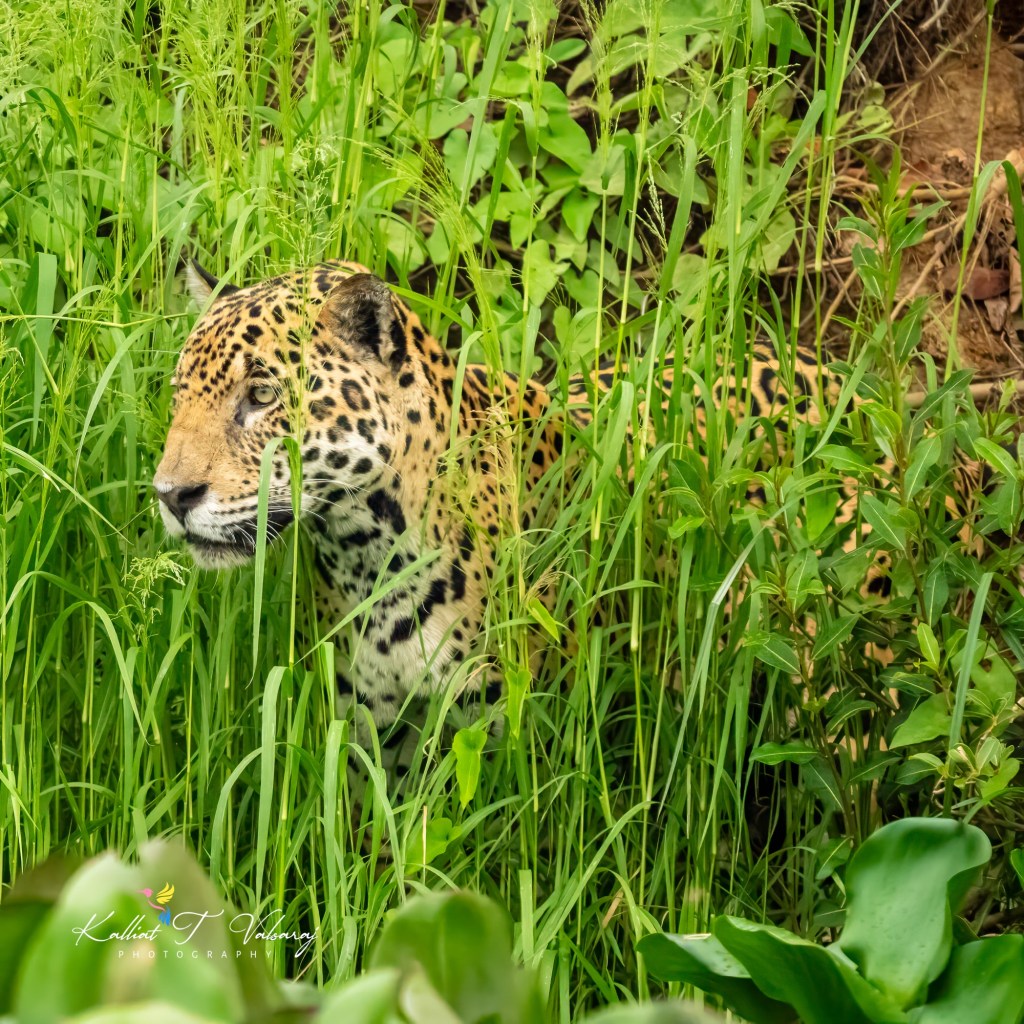
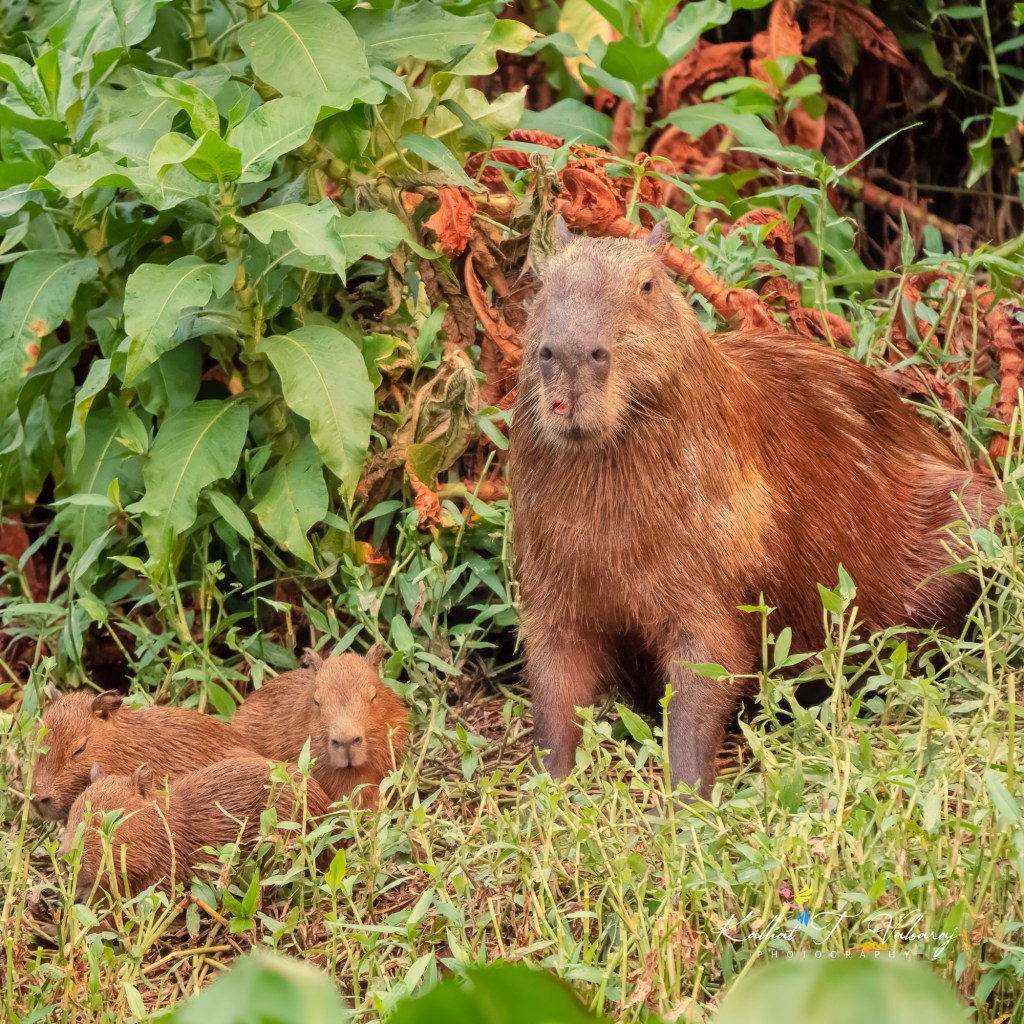
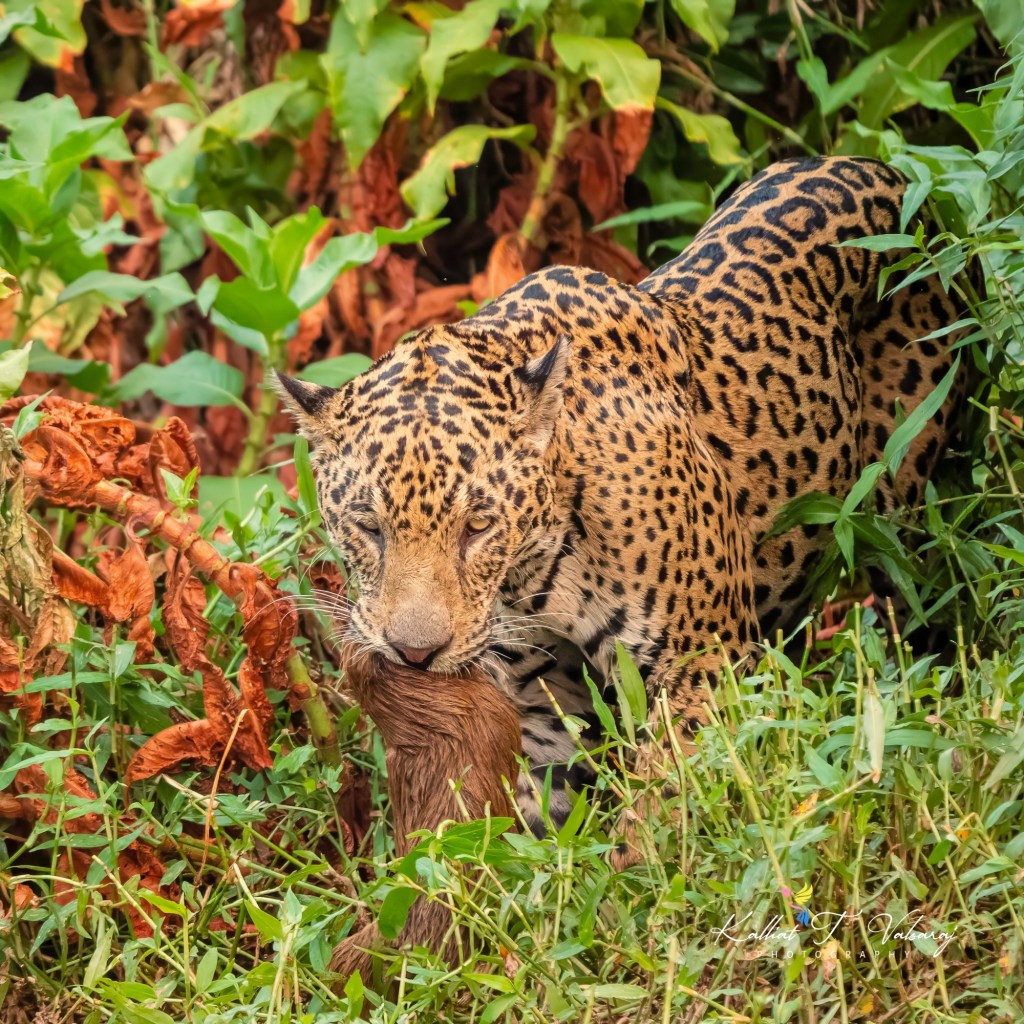
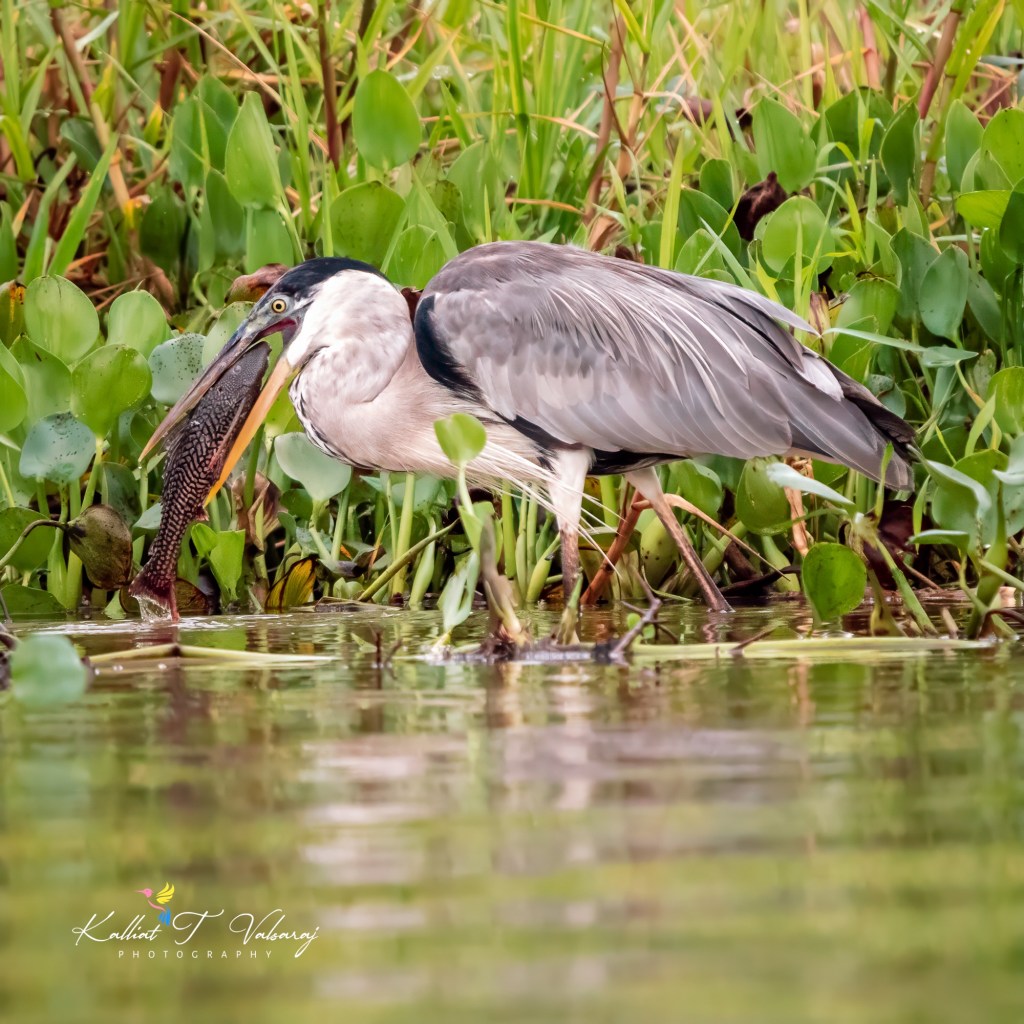
Awakening to the symphony of birds around 5 AM, I was greeted by the melodious tunes of the Rufous-bellied Thrush, Brazil’s national bird. The calm river in front of our lodge added to the tranquility of the morning. Our morning safari took us to the Picone River, where we encountered a magnificent male jaguar with a collar from a few years prior. He exhibited grace as he traversed the banks and swam, crossing back and forth multiple times while maintaining a respectful distance from the boats. After following him for some time, we spotted a female jaguar and a nearby family of capybaras. Our boat captain positioned us strategically to witness the jaguar’s stealthy approach. In a breathtaking moment, the jaguar lunged, capturing a young capybara before retreating into the forest to enjoy her meal. The raw reality of nature unfolded before us as we witnessed the cycle of life. Following an eventful day filled with birdwatching, we returned to the lodge for dinner and late-night conversations before heading to bed. Our afternoon session was curtailed due to rain, but we managed to photograph black skimmers and large-billed terns on the other side of the river.
**Day 4**
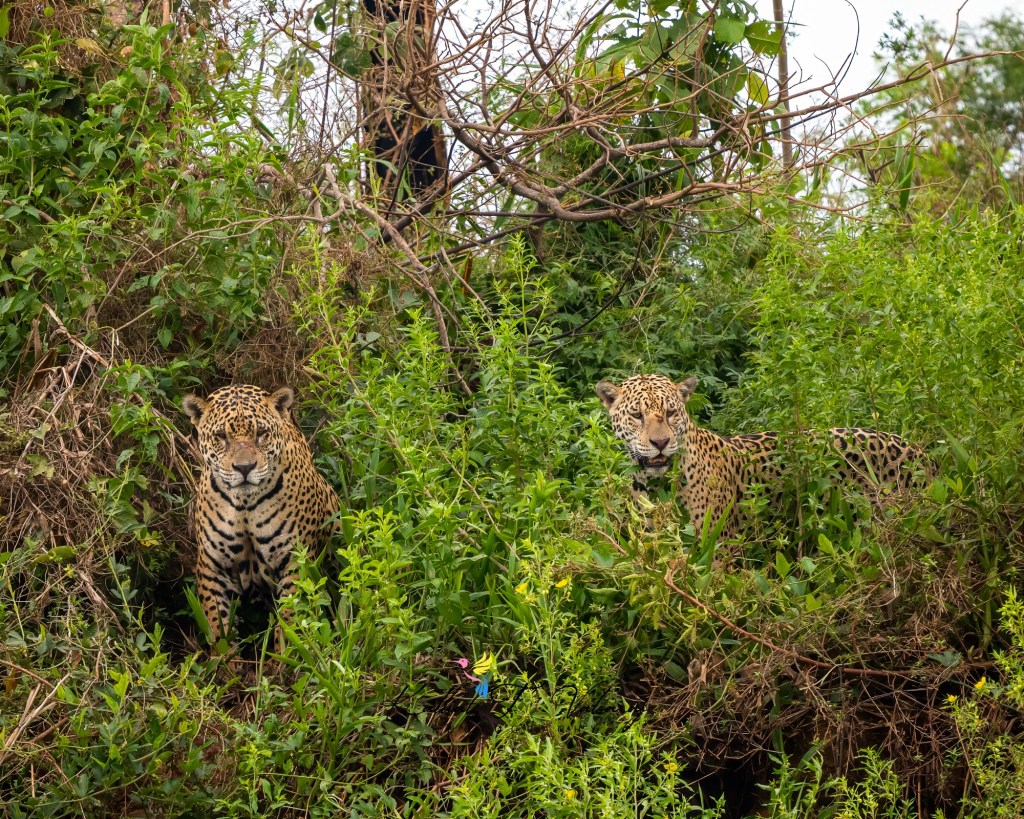
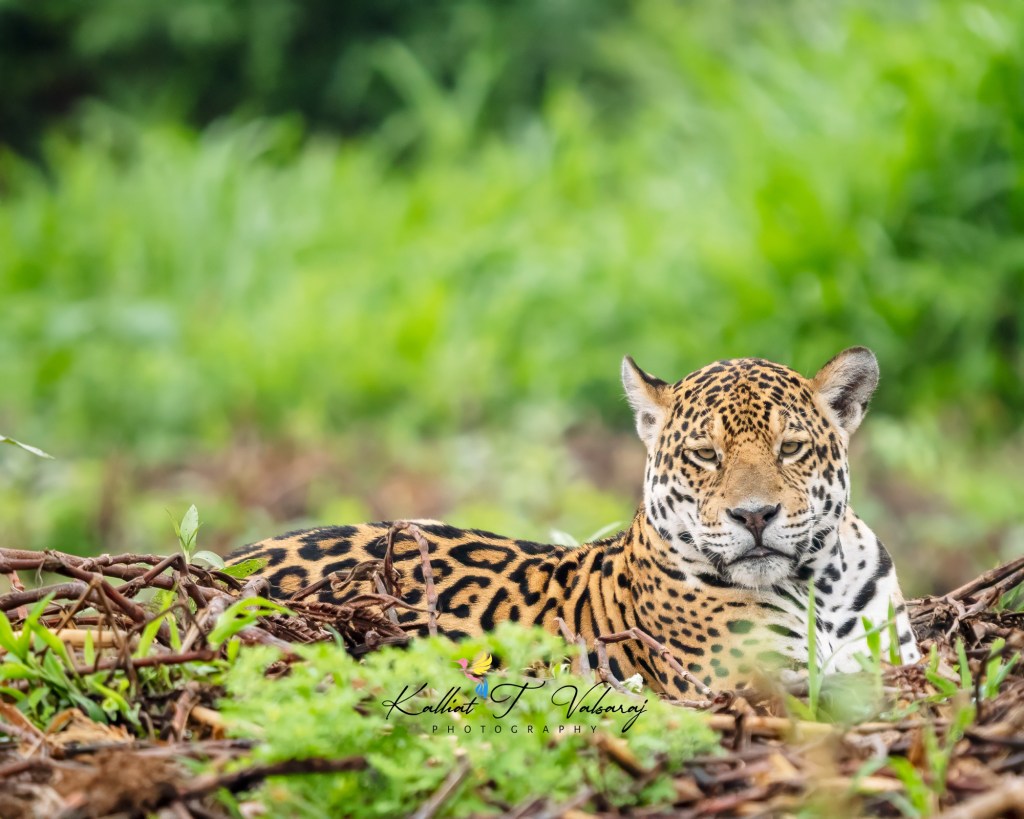
Day four began at 5:30 AM, coinciding with the sunrise and the chorus of birds. Wildlife experts in the region diligently track named jaguars as part of conservation efforts. After breakfast, we set out to observe two jaguar cousins, Rio and Mananth, engaging in a cooperative hunt. These young males, bonded by sibling ties, worked together, except during mating season. We watched them closely, hoping for a thrilling capture, but by afternoon, it became evident that the presence of multiple boats had deterred potential prey. In the afternoon, we enjoyed observing a striking jaguar lounging in the grass and two others scanning the riverbank, one just five minutes from our lodge. We also explored an area where a mother and cub had been spotted, but our search yielded inconclusive results. As dusk approached, we devoted time to observing various native and migratory birds before returning for dinner, which, though repetitive in nature, was health-focused. We retired early that night.
**Day 5**
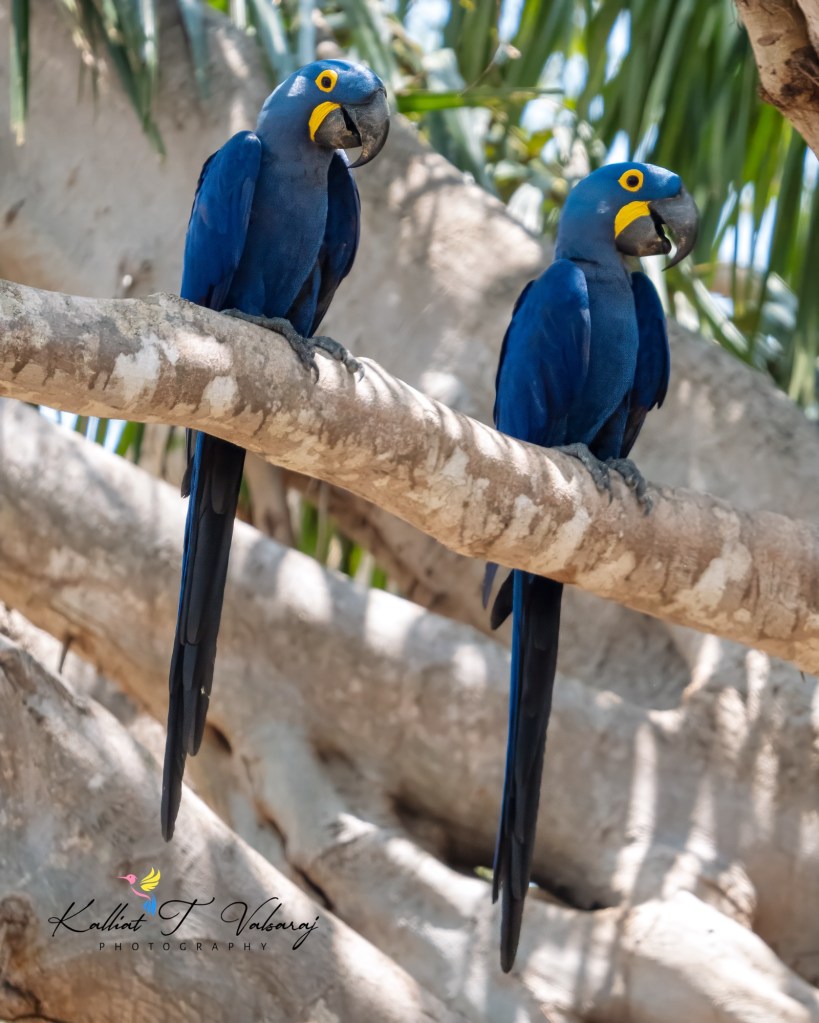
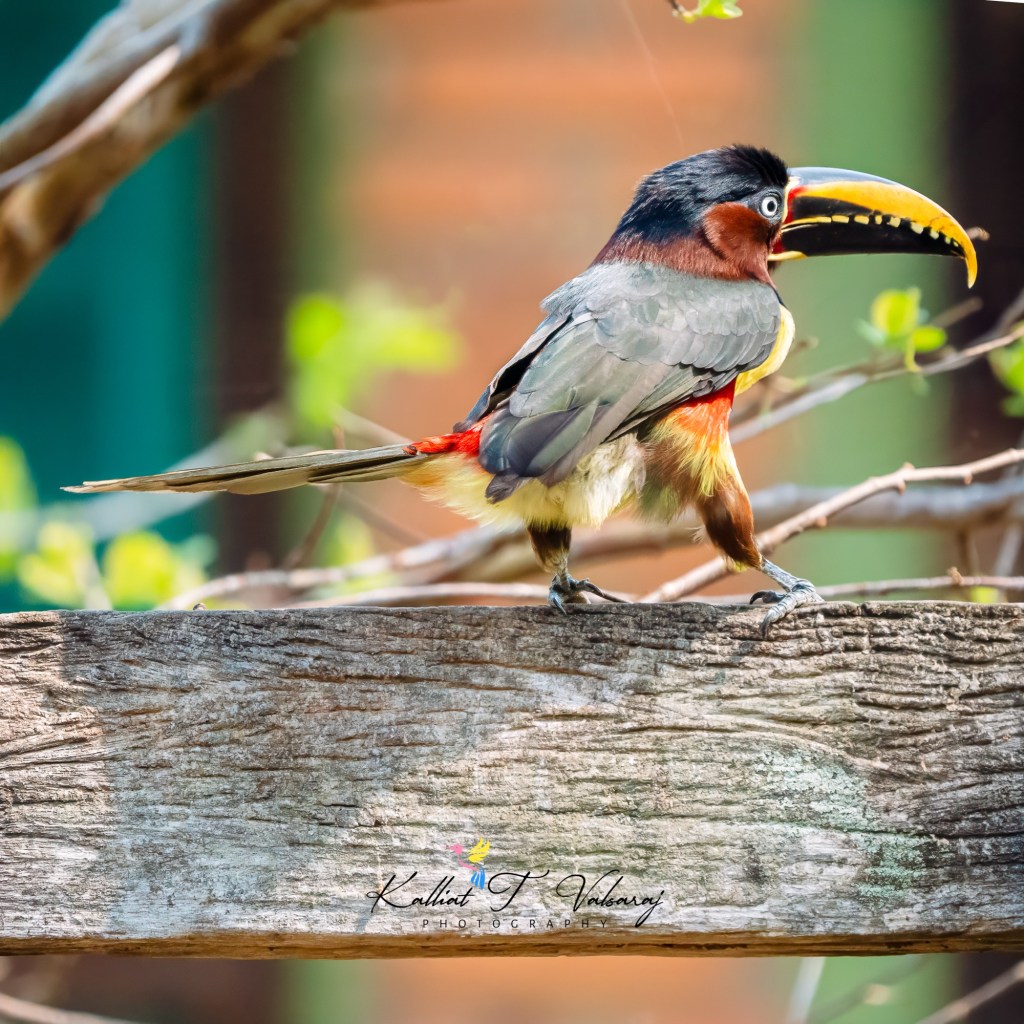
On our fifth day, we awoke at 5:30 AM and ventured out to birdwatch around the lodge before breakfast, hoping to photograph the large blue-winged macaws characteristic of the area. We were also delighted to encounter Toco toucans, chestnut-collared aracaris, and other local species. Unfortunately, the hotel lacked official feeders to attract birds for photography.
After lunch, we traveled to our next lodge, Southwild Pantanal, located about 80 miles away. We arrived by 5 PM and immediately embarked on a quest to observe ocelots at a designated feeding station equipped with a photography hide. This experience proved to be a remarkable photographic opportunity, culminating in an unexpected encounter between an ocelot and a resident crab-eating fox. After enjoying dinner, we settled in for the night at the delightful Southwild Pantanal lodge, the highlight of our accommodations.




**Day 6**
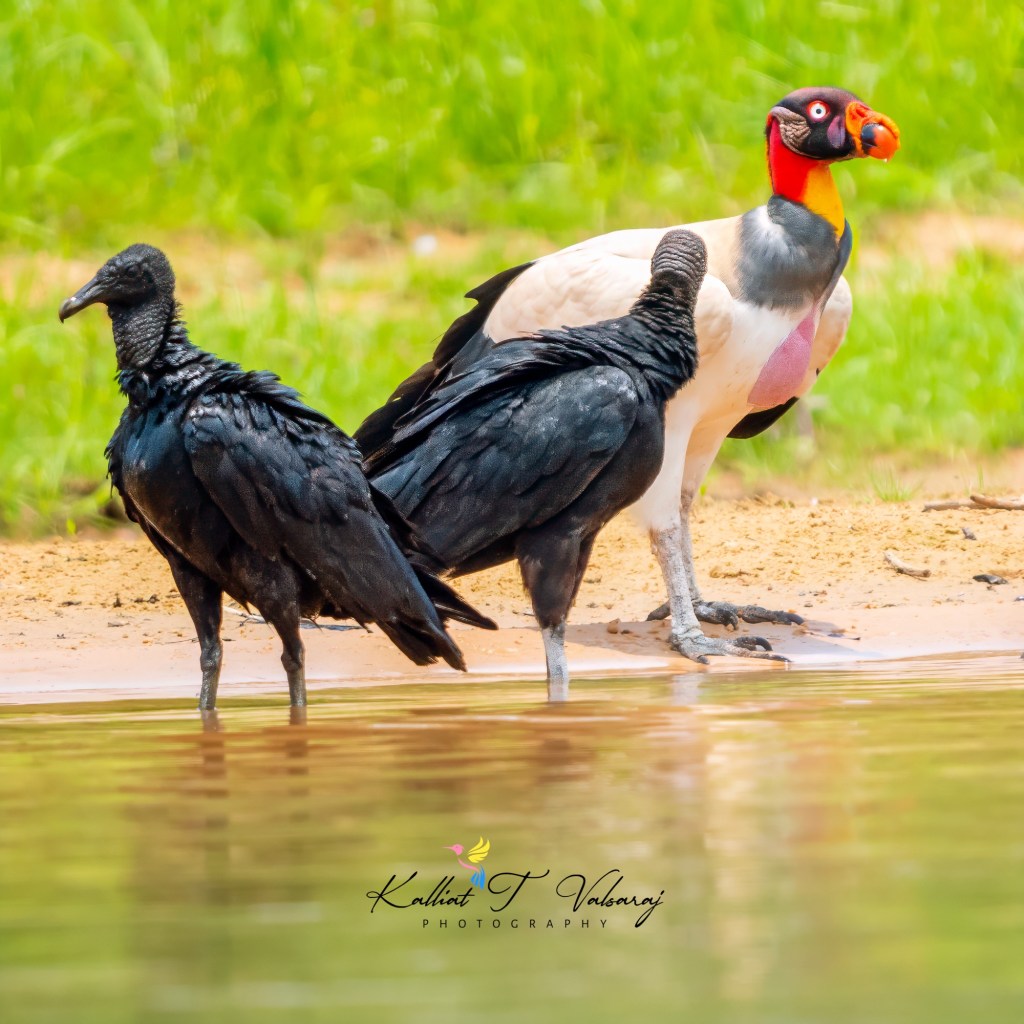
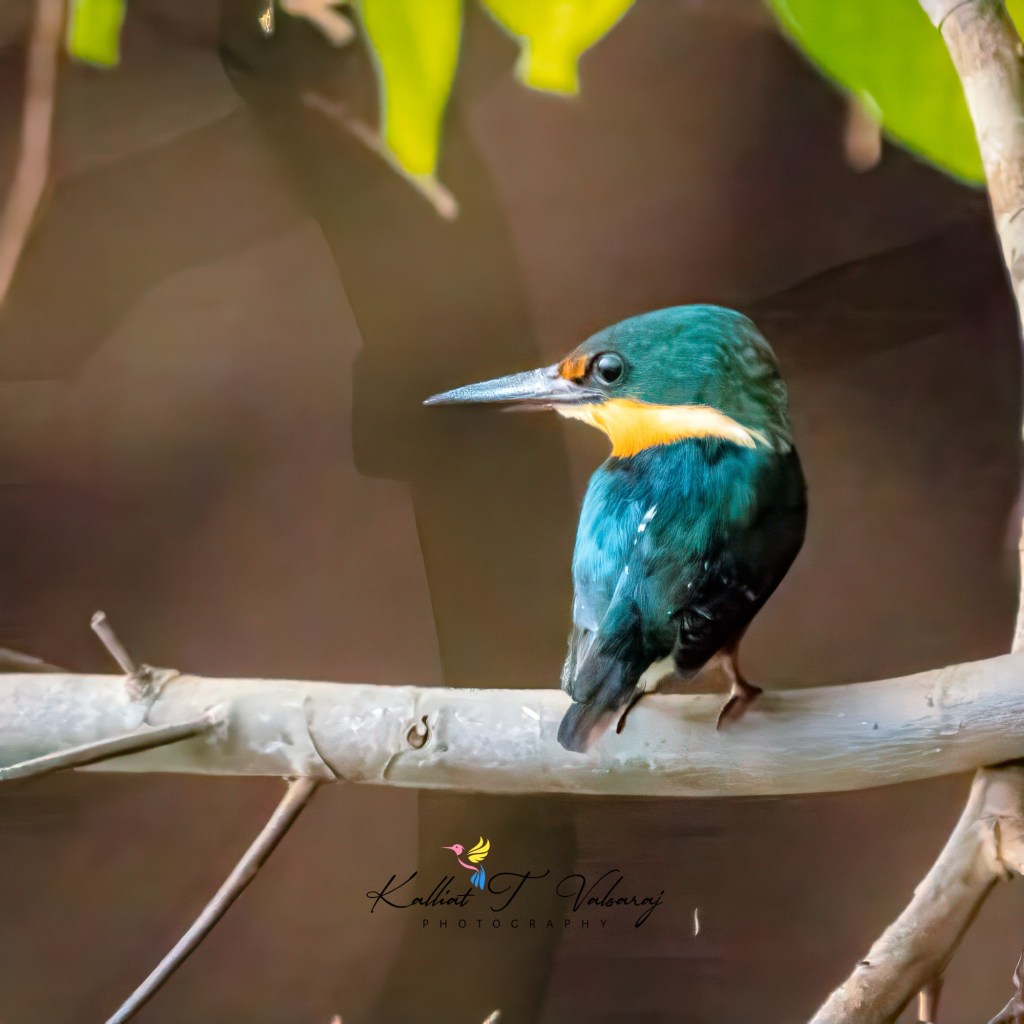
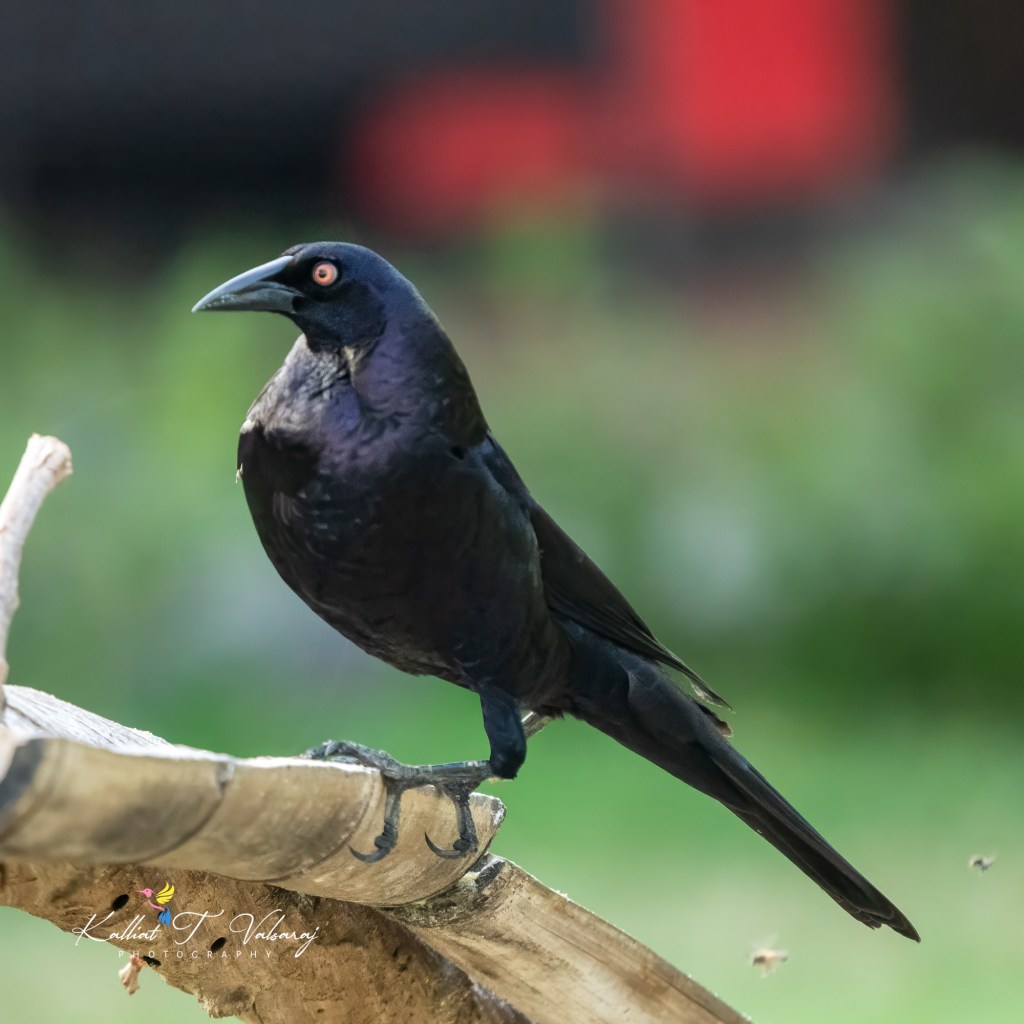
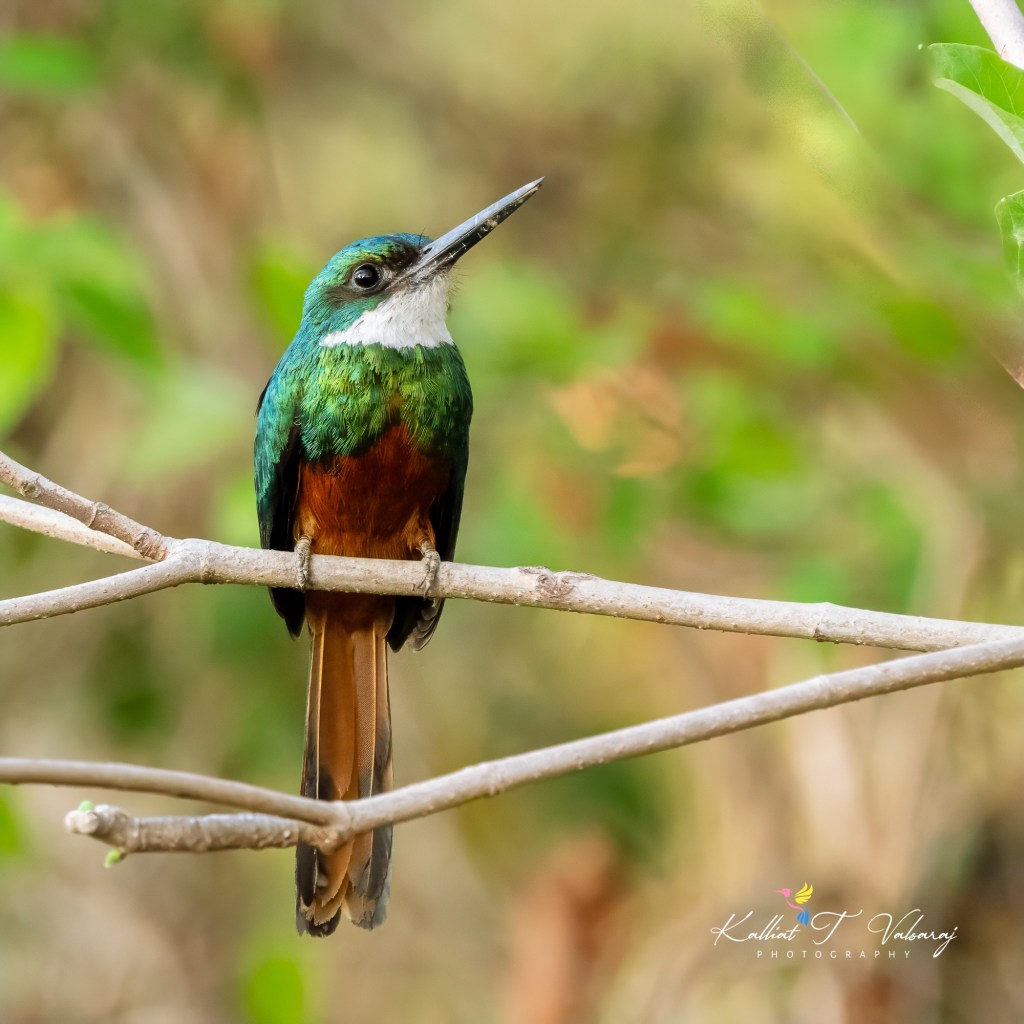
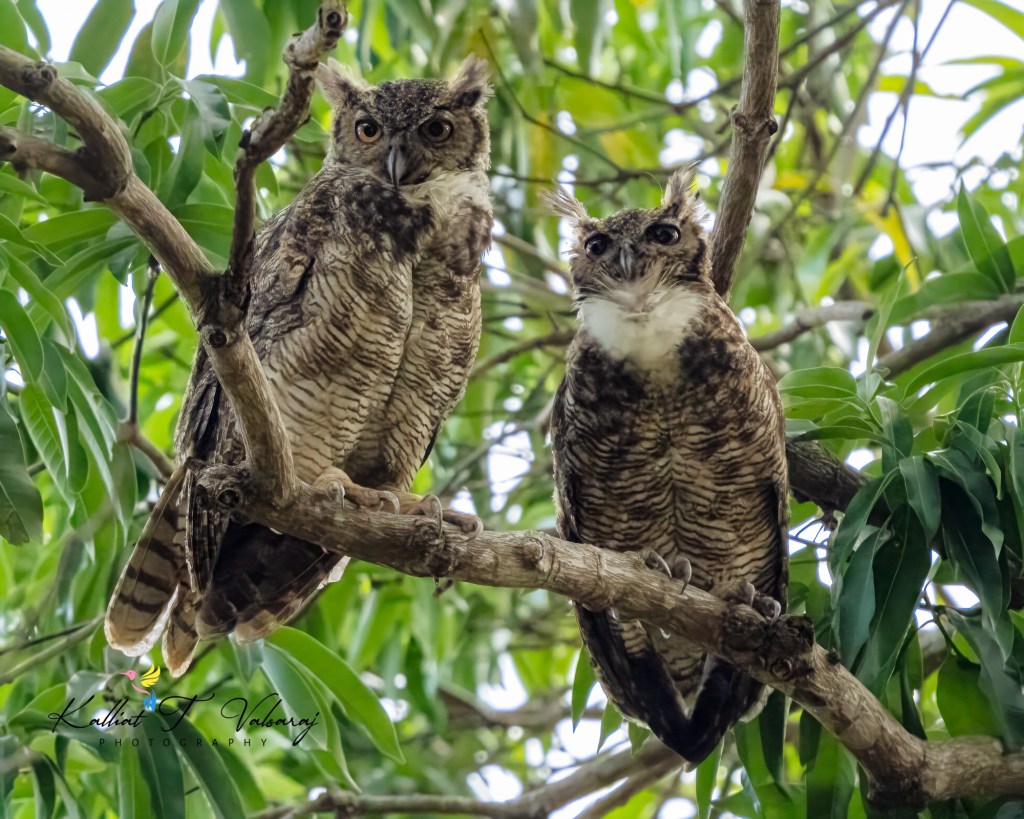
The following morning began with an early breakfast as we ventured into the forest to search for birds. Although we spotted around 30 species, only six were new to me. After a couple of hours of chasing birds, I found the experience somewhat disappointing, as the feeders housed only common species we had encountered elsewhere. Post-lunch, at approximately 3:30 PM, we set out on a riverboat to capture action shots of feeding shorebirds. However, our tour leaders’ absence became apparent, as the boat positioning was less than ideal. While I managed to capture a few action photos, the overall experience fell short of expectations.


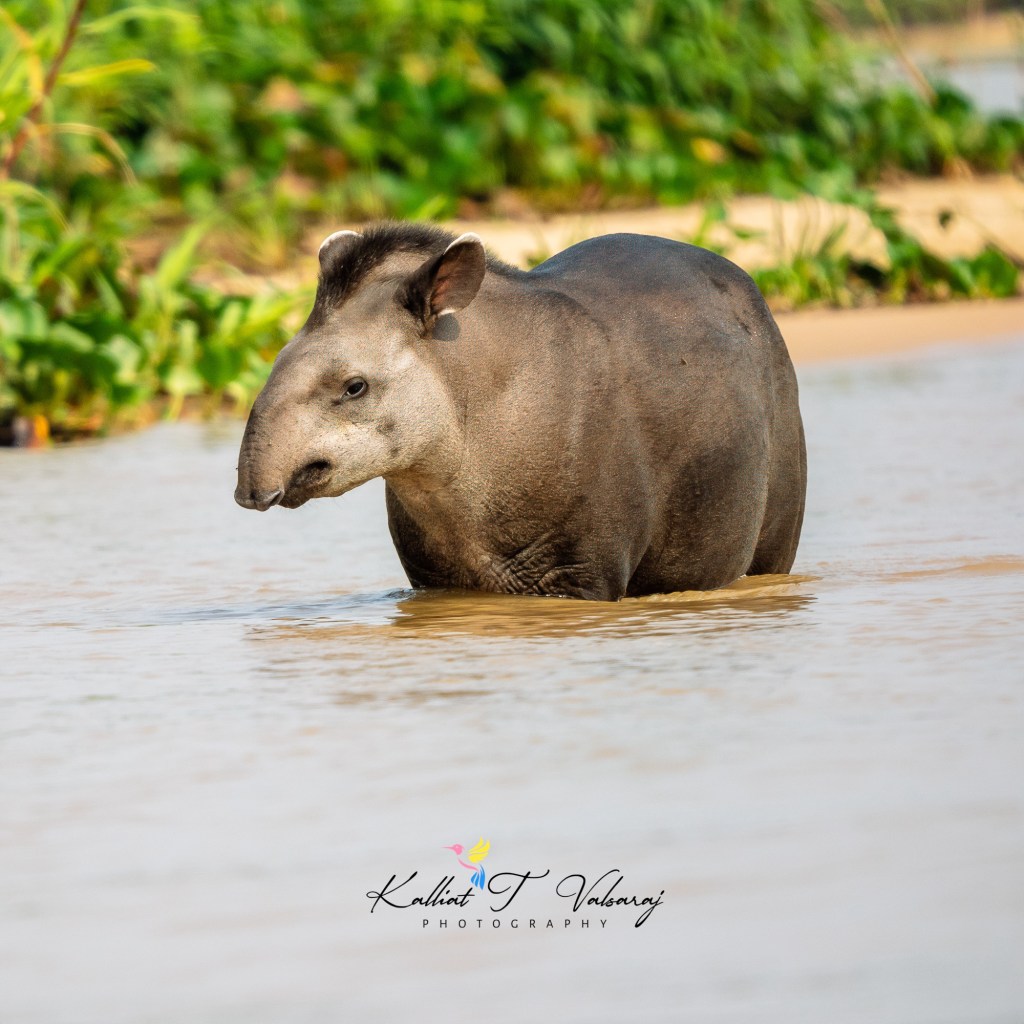
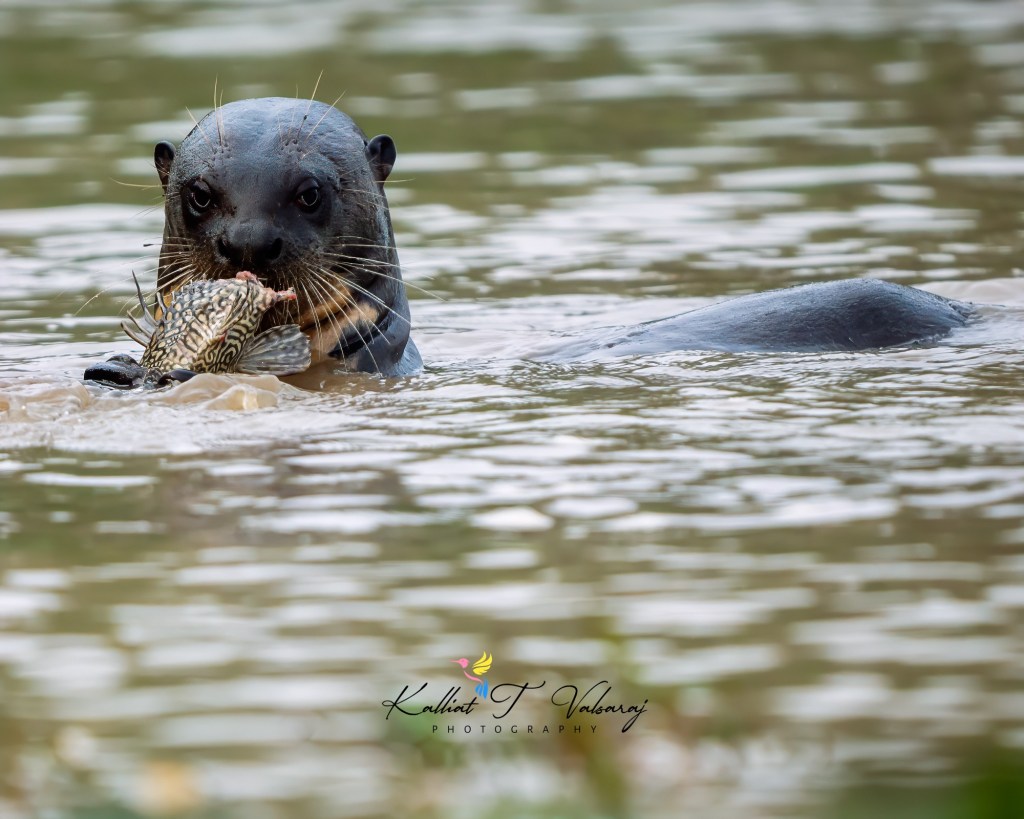

**Day 7**
On my final day, I prepared for my return journey to the United States. With an early flight from Cuiaba to São Paulo, I departed ahead of the group. A special transportation arrangement from Southwild Pantanal to Cuiaba was made but fell through, leading to a last-minute scramble for alternative transport. Thankfully, I made it to Cuiaba, and the remainder of my journey back to New Orleans was smooth and uneventful.
**Summary**
This trip was organized through Tropical Photo Tours based in Houston, Texas. While the arrangements were generally satisfactory, several missed opportunities left me wanting. Some accommodations did not meet the standards of previous trips. Our first day in Cuiaba was largely spent idle inside the hotel, as the trip organizers and leaders were absent, leaving our knowledgeable local guide unable to adjust the itinerary. Spending three days exclusively chasing jaguars felt excessive, with little emphasis on birdwatching. The primary photography opportunities arose only on Day 1, Day 5, and Day 6. Unfortunately, the guide lacked the expertise to facilitate effective photography setups, diminishing the trip’s potential. Consequently, I returned with less enthusiasm compared to past photo tours with other agencies.
Overall, we observed approximately 15 of the 153 mammals, 132 of the 582 birds, and various other species. Regrettably, several target species, such as the Agami heron, giant anteater, and maned wolf, were missed. A species checklist was neither prepared nor discussed daily, prompting me to persuade the guide to compile an eBird list as a substitute.
Exploring the vast Pantanal wetlands demands careful planning for optimal species observation, particularly regarding birds and mammals. Regardless, this trip served as an intriguing introduction to the incredible opportunities within the Pantanal region, and I look forward to planning another expedition in the future to cover both the northern and southern Pantanal, aiming to complete my target species lists.
Please hit the Like button and subscribe to my channel if you haven’t done so.
 Wild Trails Photography