
The autumn season marks a significant period for bird migration as numerous species journey southward towards Central and South America. The Mississippi Flyway, a critical migratory route, traverses Louisiana, a state rich in bayous, lakes, rivers, agricultural fields, and dense forests. Each year, millions of birds cross the Gulf of Mexico, with Louisiana serving as a vital stopover—offering the last opportunity for rest and nourishment before their extensive voyage over open waters. Annually, approximately 325 bird species utilize this flyway, including 40% of shorebirds. During the 2023 fall migration, it is estimated that around 500 million birds passed through Louisiana. Most of these birds migrate at night, commencing their journeys approximately 30 to 45 minutes after sunset, with peak activity occurring between 10 and 11 p.m. From August 1 to September 17, Cornell University’s BirdCast reported an above-average migration of 179.2 million birds through or over Louisiana, predominantly heading toward Central and South America.
I am fortunate to reside less than a mile from one of the parks managed by the Baton Rouge Recreation (BREC) agency, recognized as one of the leading recreational organizations in the United States. The nearby BREC Riverbend Park, encompassing 15 acres of wooded areas and walking paths, is home to numerous native birds and serves as a sanctuary for many migratory species during both spring and autumn.
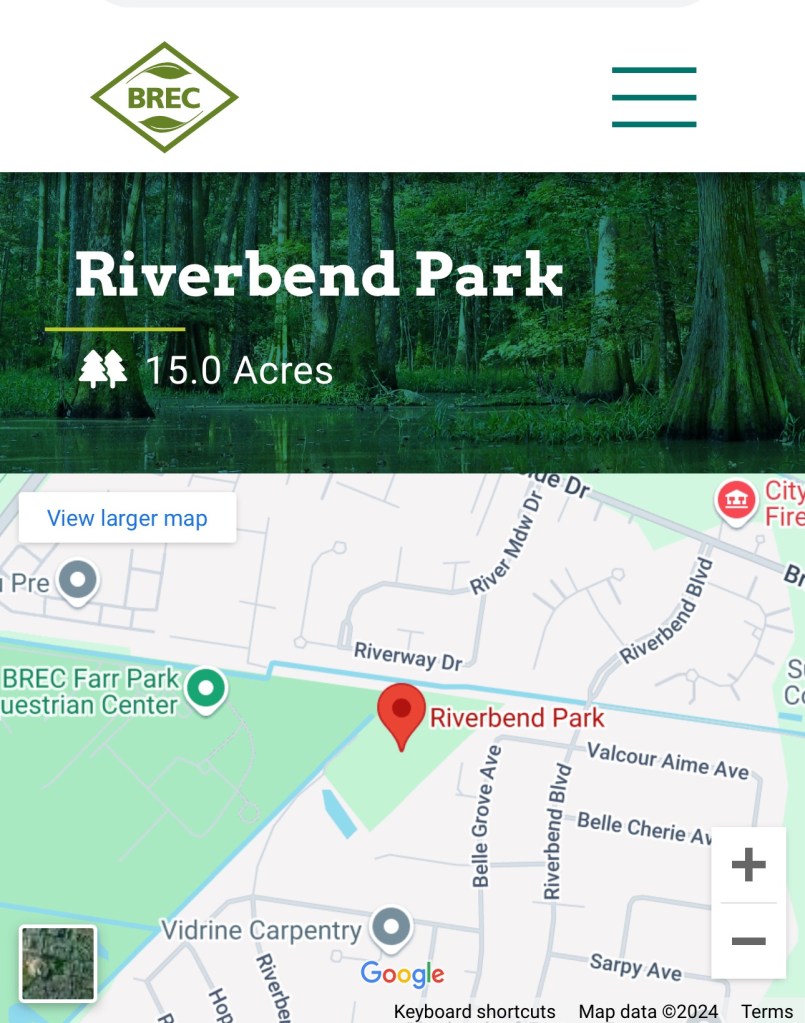
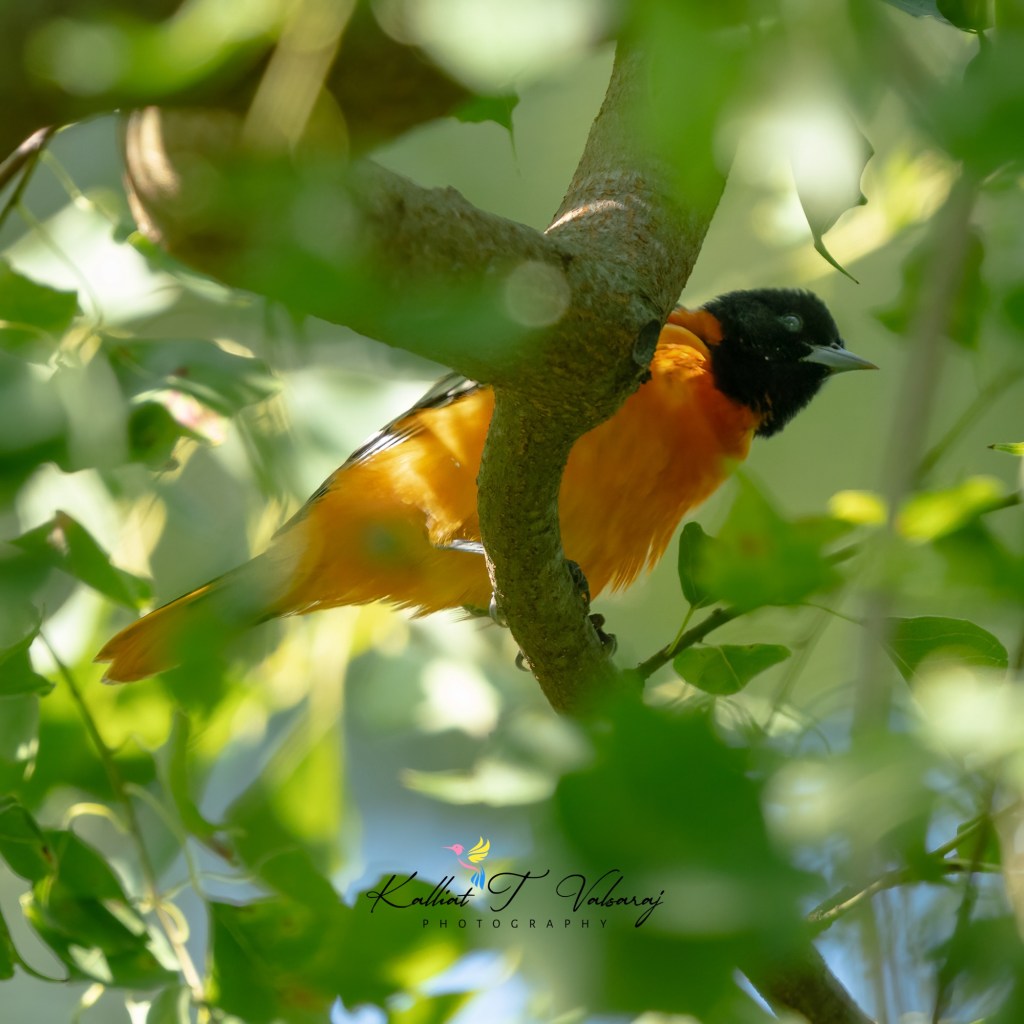
During mid-September, I visited the park twice in search of birds, documenting at least 31 distinct species during my outings. The striking beauty of the Baltimore Oriole and the blue grosbeak was particularly captivating.

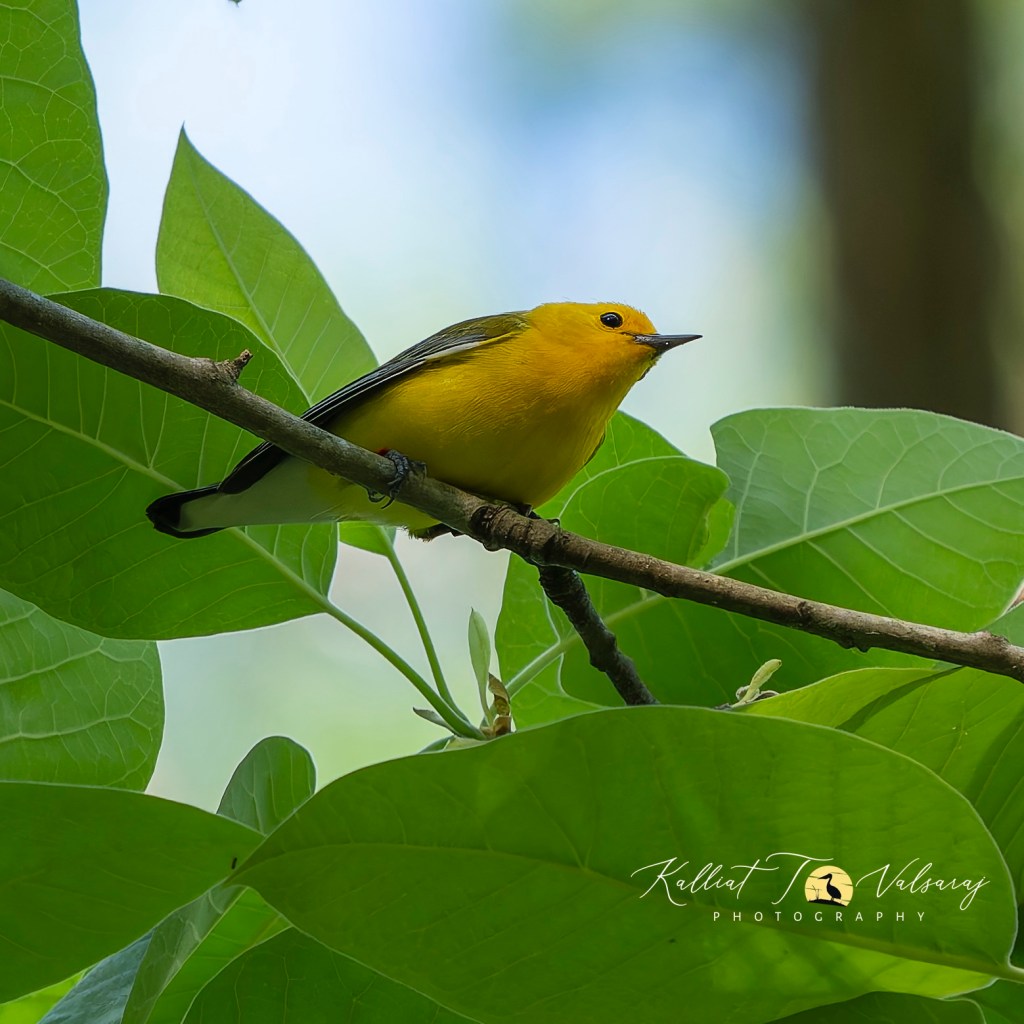
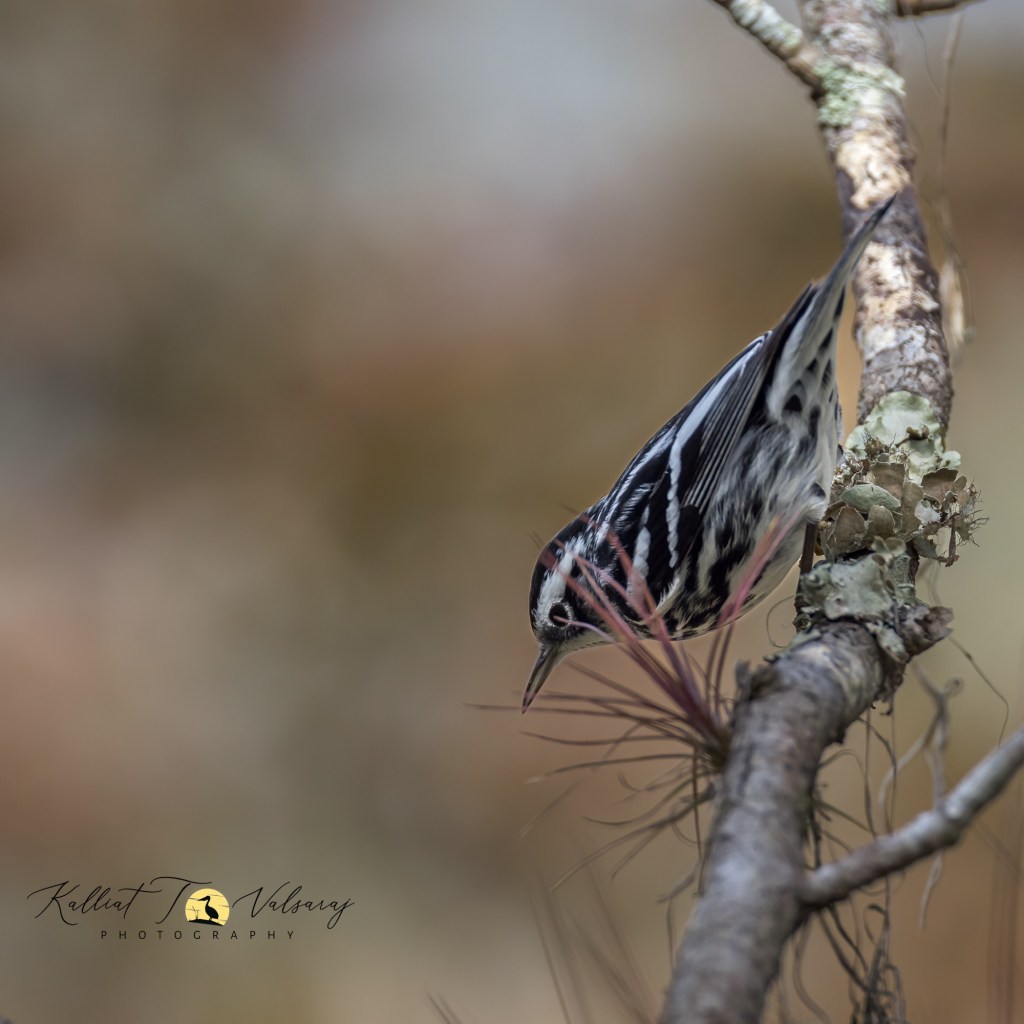
Many of these observed birds are juveniles returning from their breeding grounds in northern North America after hatching in the previous spring and summer. Additionally, I noted nearly 30 different warbler species in southern Louisiana this fall. The Prothonotary Warbler primarily inhabits Louisiana, although its breeding range extends to Canada. Other warblers identified include Wilson’s Warbler, Black-and-white Warbler, Palm Warbler, Yellow Warbler, and Common Yellowthroat.
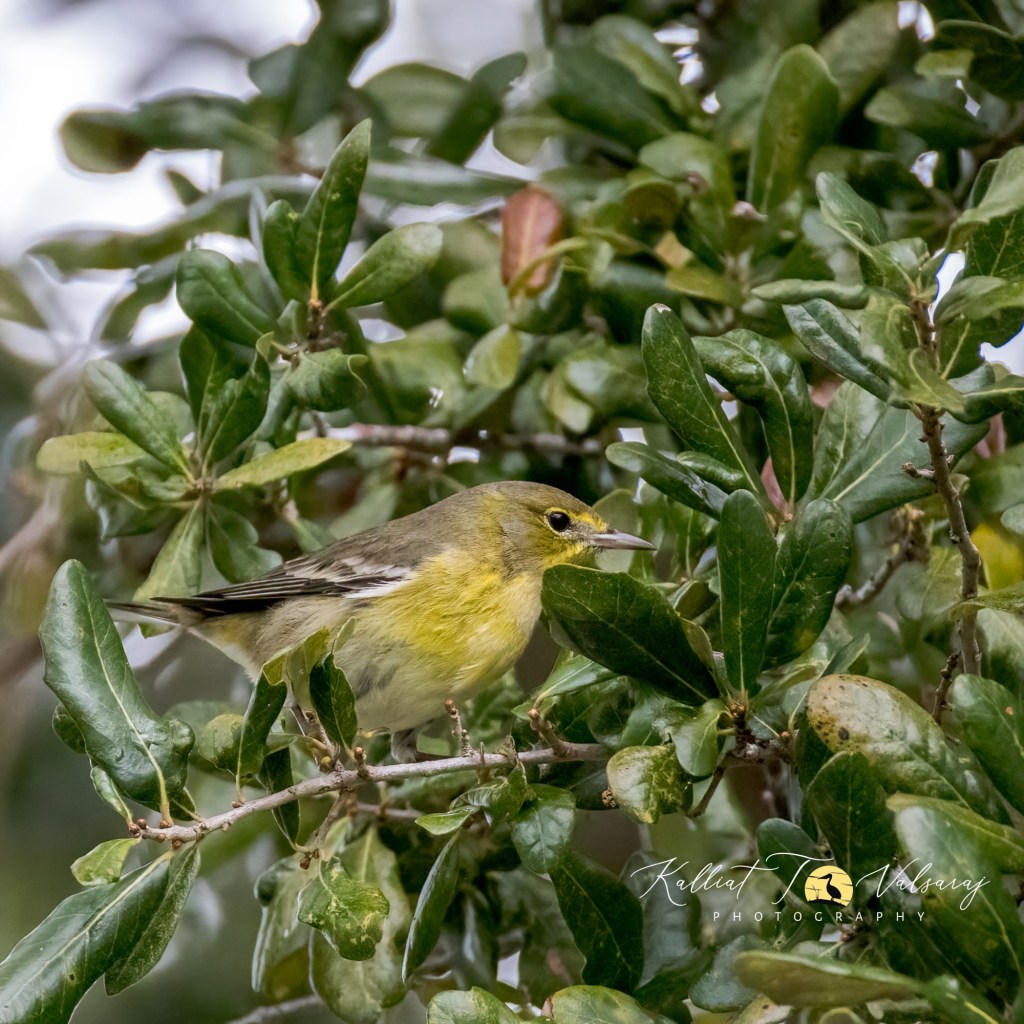

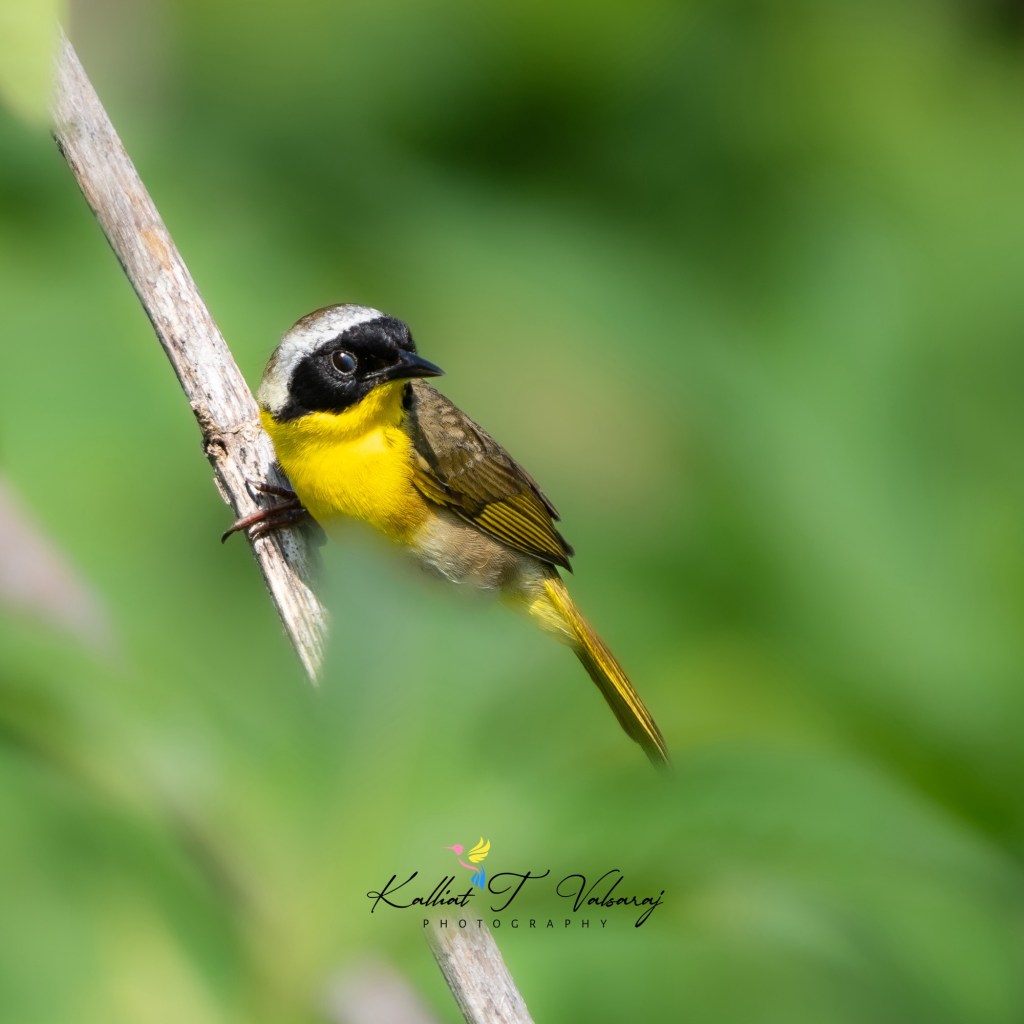
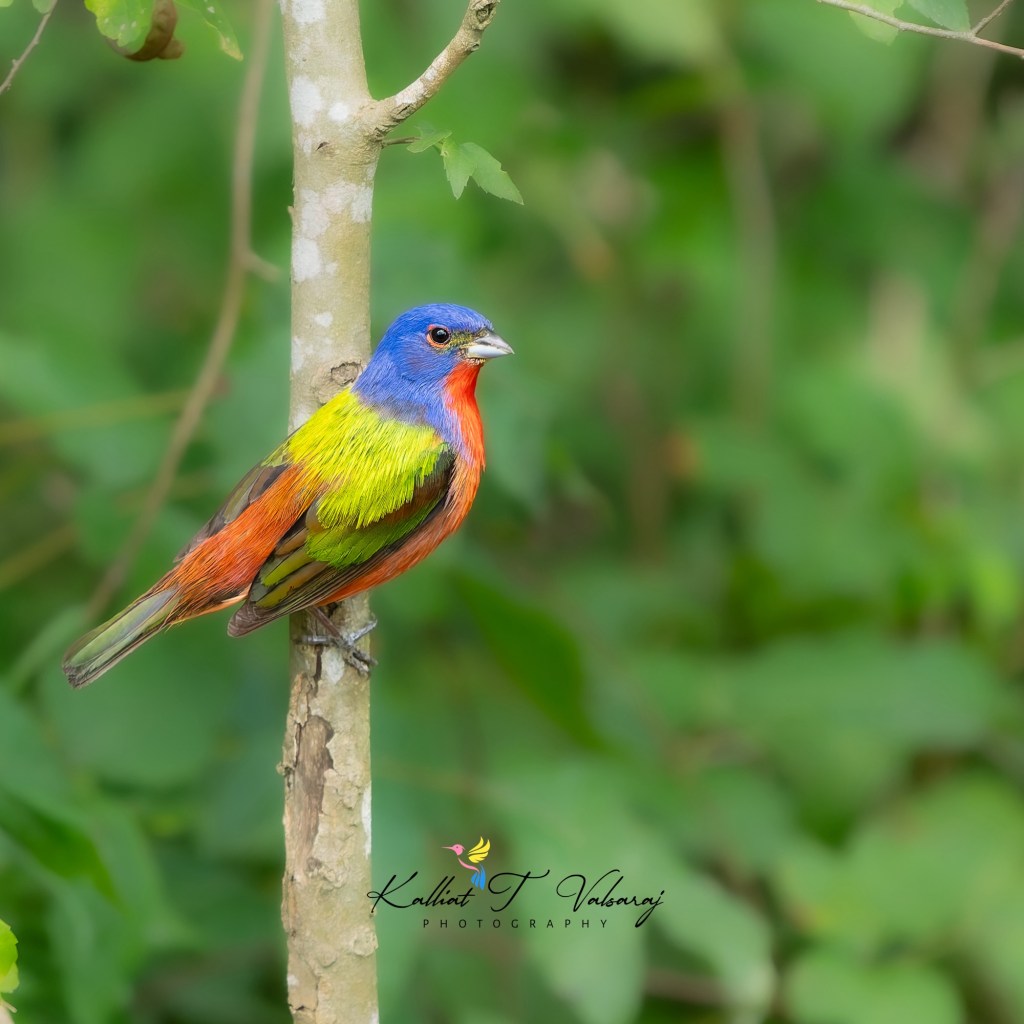
The vibrant Painted Bunting and Summer Tanager also make appearances here.

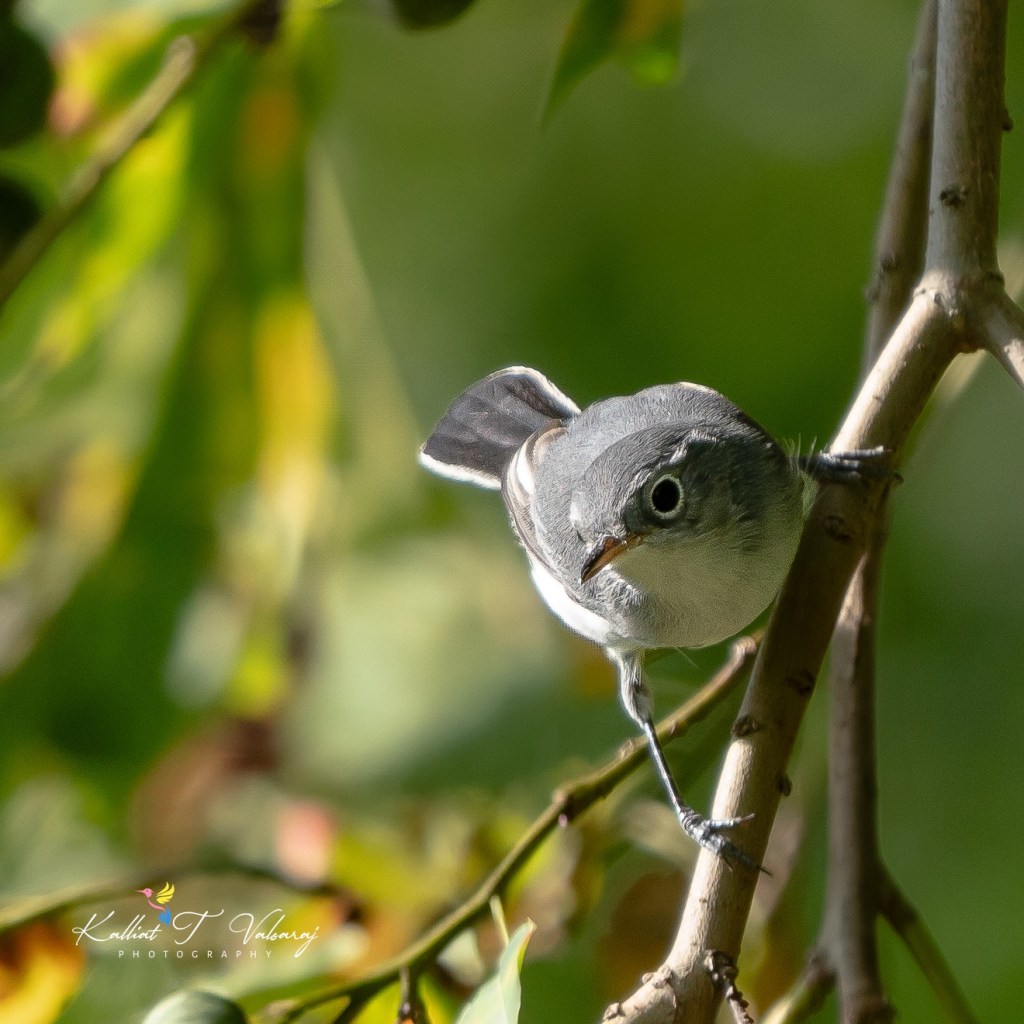
The Blue-gray Gnatcatcher is another frequent migratory species observed in flocks, while Alder and Willow Flycatchers are seen in abundance during their brief stopovers.

The Yellow-billed Cuckoo is notably present during migration.

Among hummingbirds, the Ruby-throated variety visits in large numbers, especially at feeders in the park and surrounding areas.

Both Eastern Wood-Pewees and Eastern Bluebirds are plentiful here, with some bluebirds residing and breeding within Louisiana.
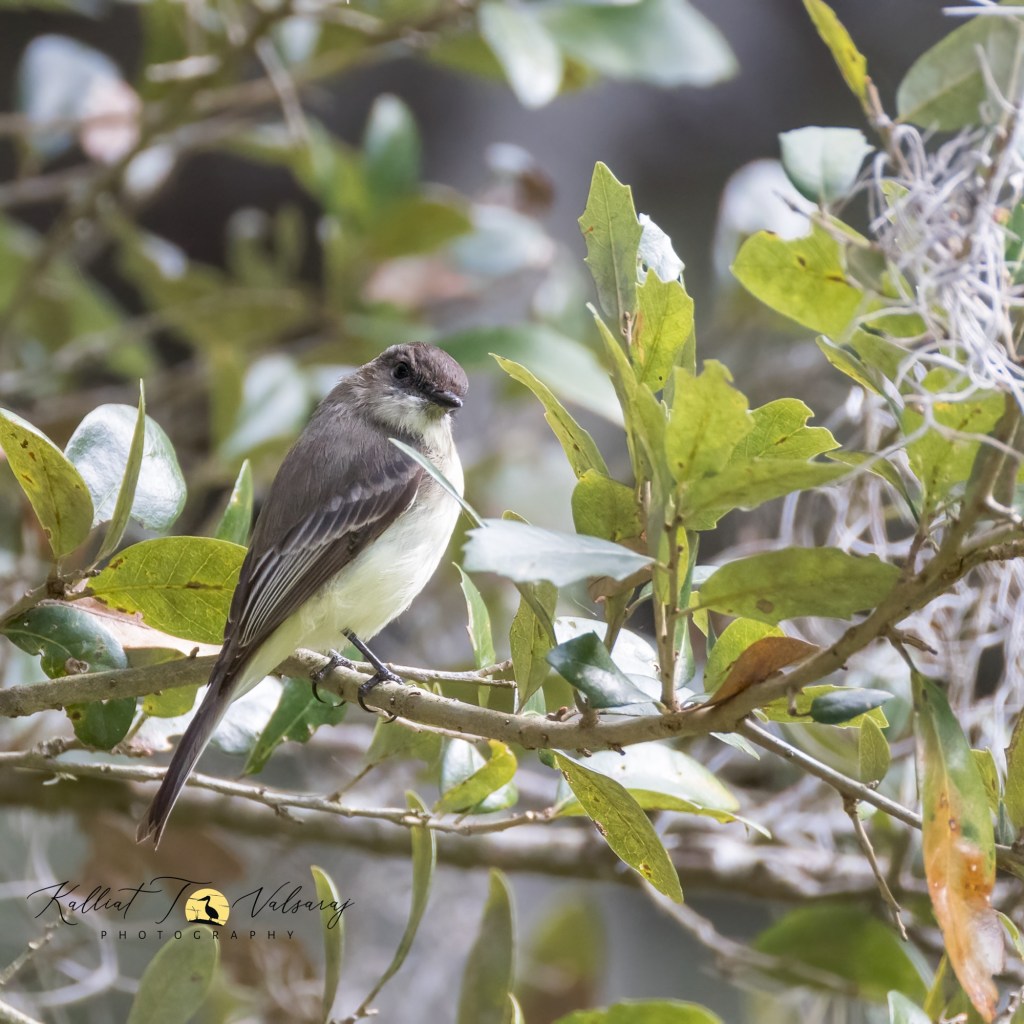
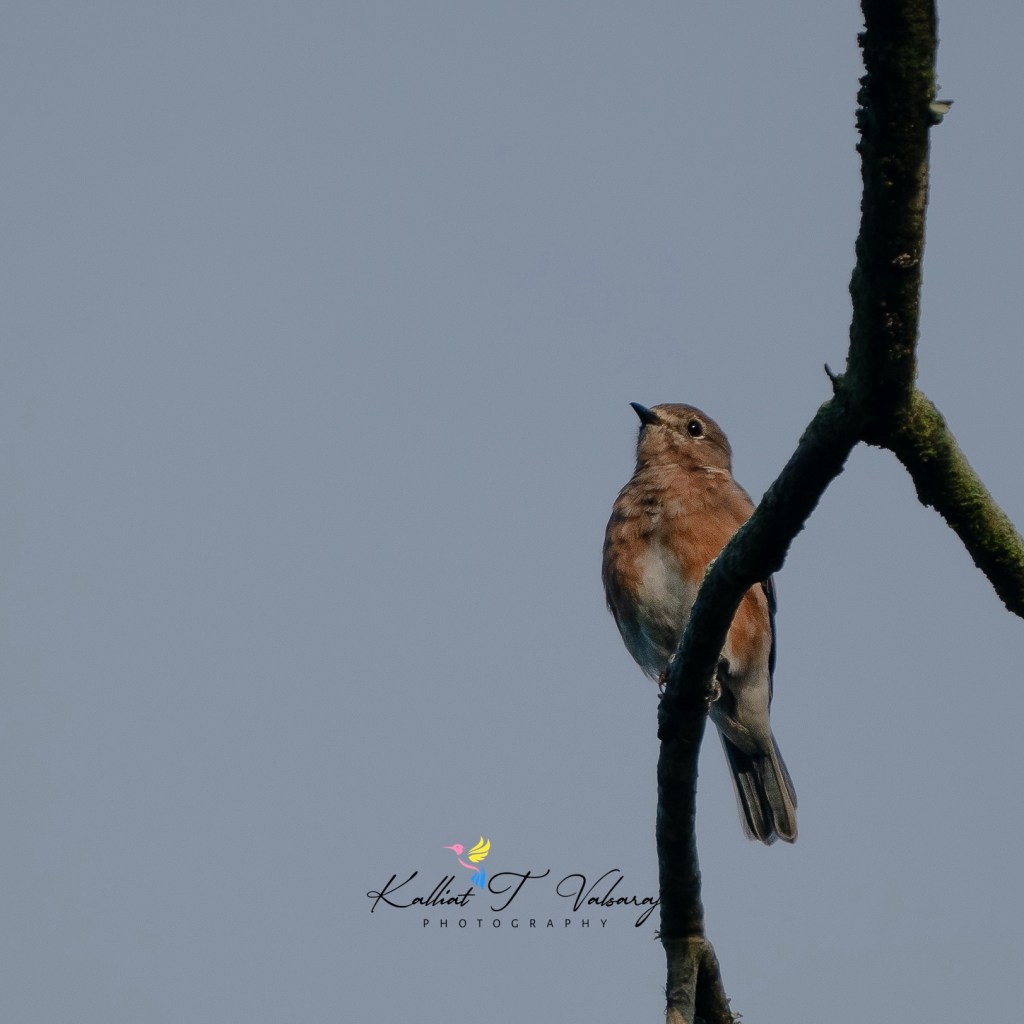
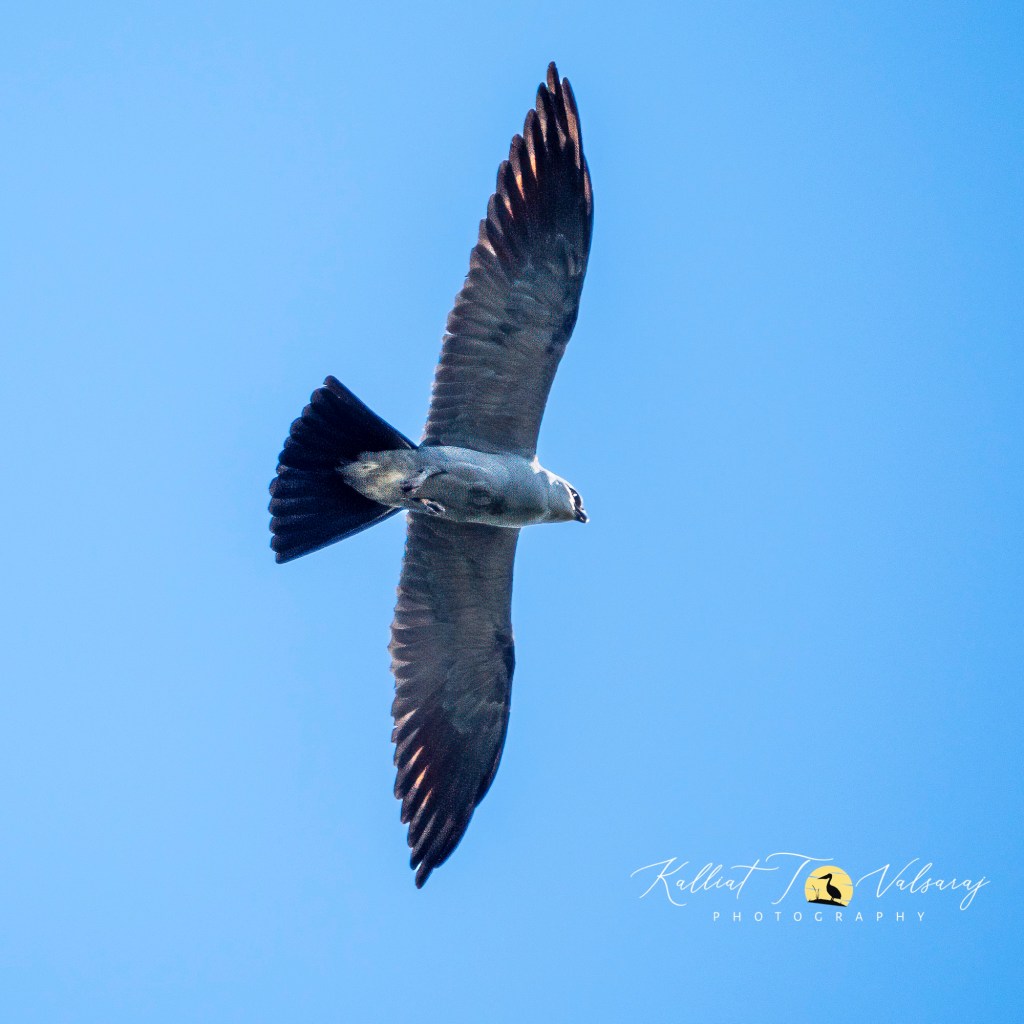
A variety of hawks can be spotted, particularly the Mississippi Kite, which is a notable visitor.
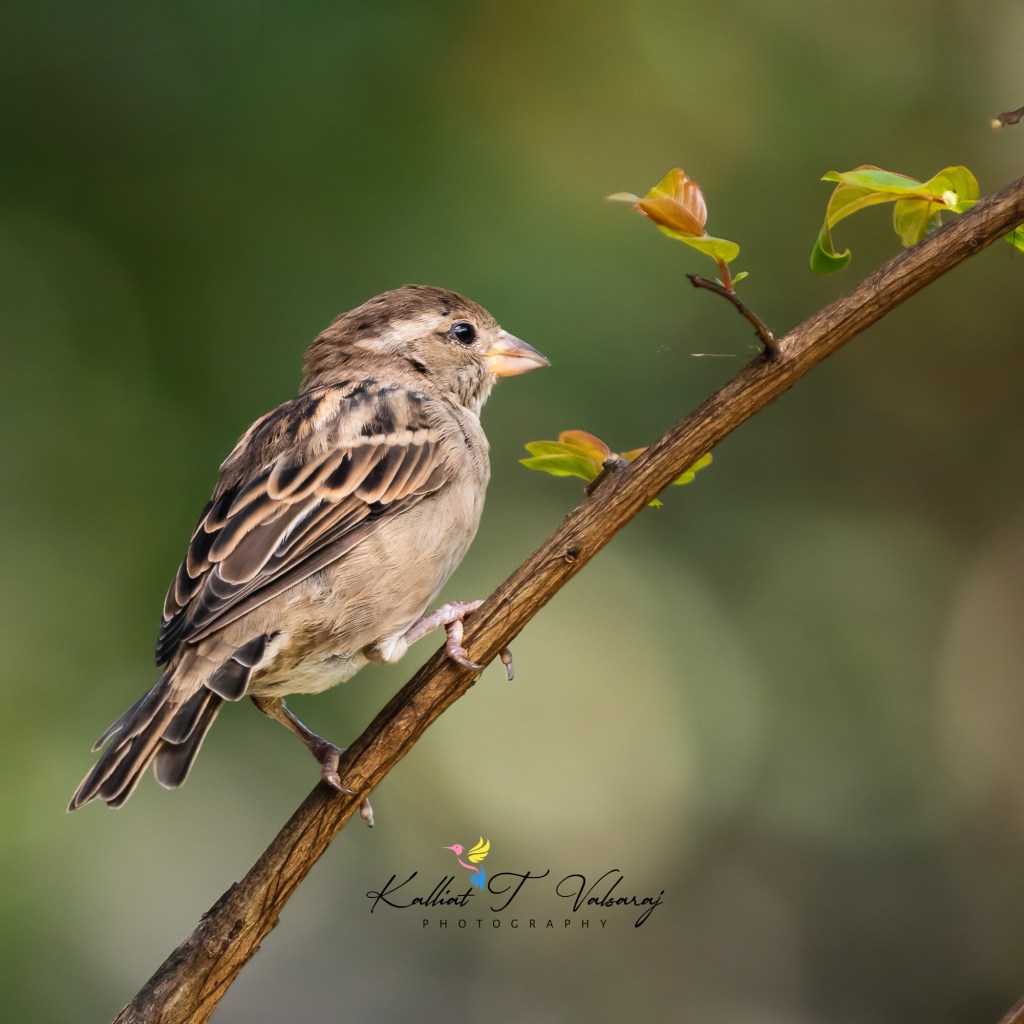
House Sparrows, House Finches, Northern Mockingbirds, and Northern Cardinals contribute to the diverse native bird population that thrives after their breeding seasons.
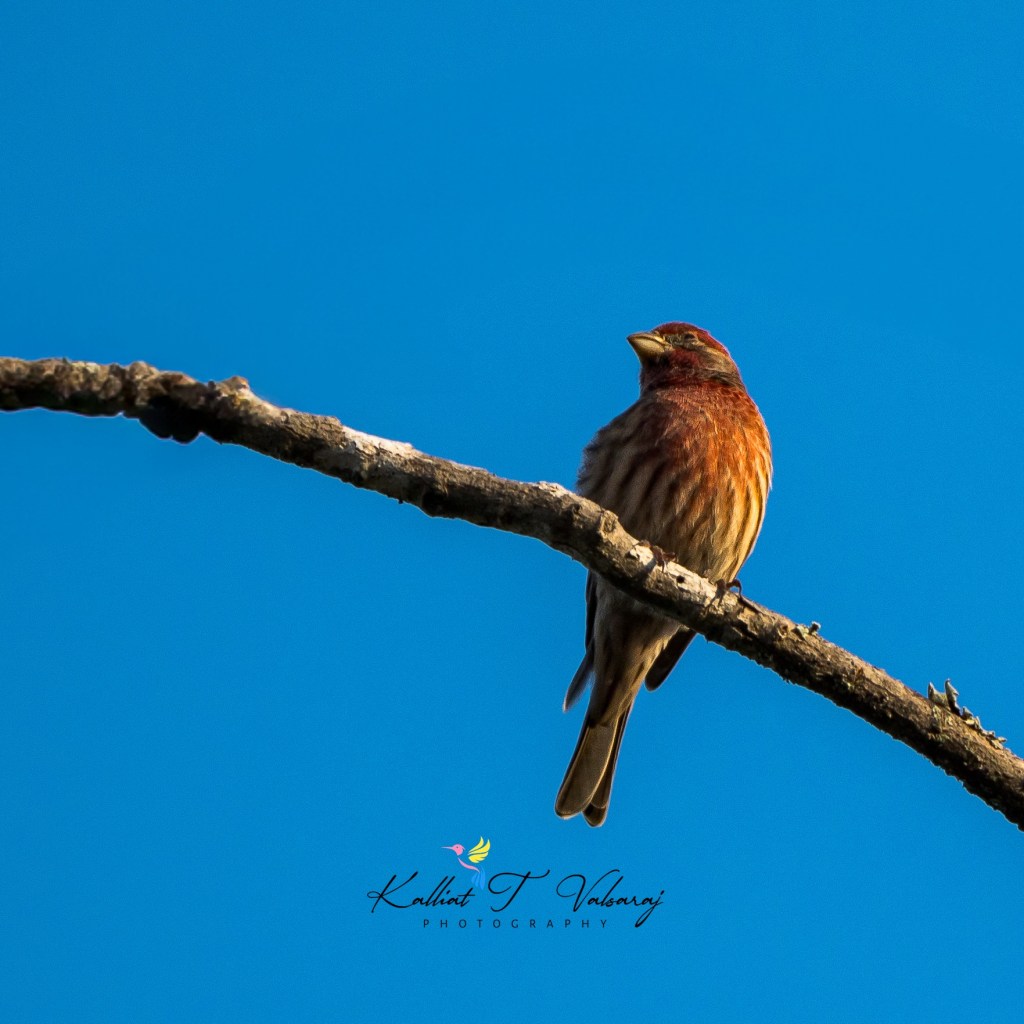
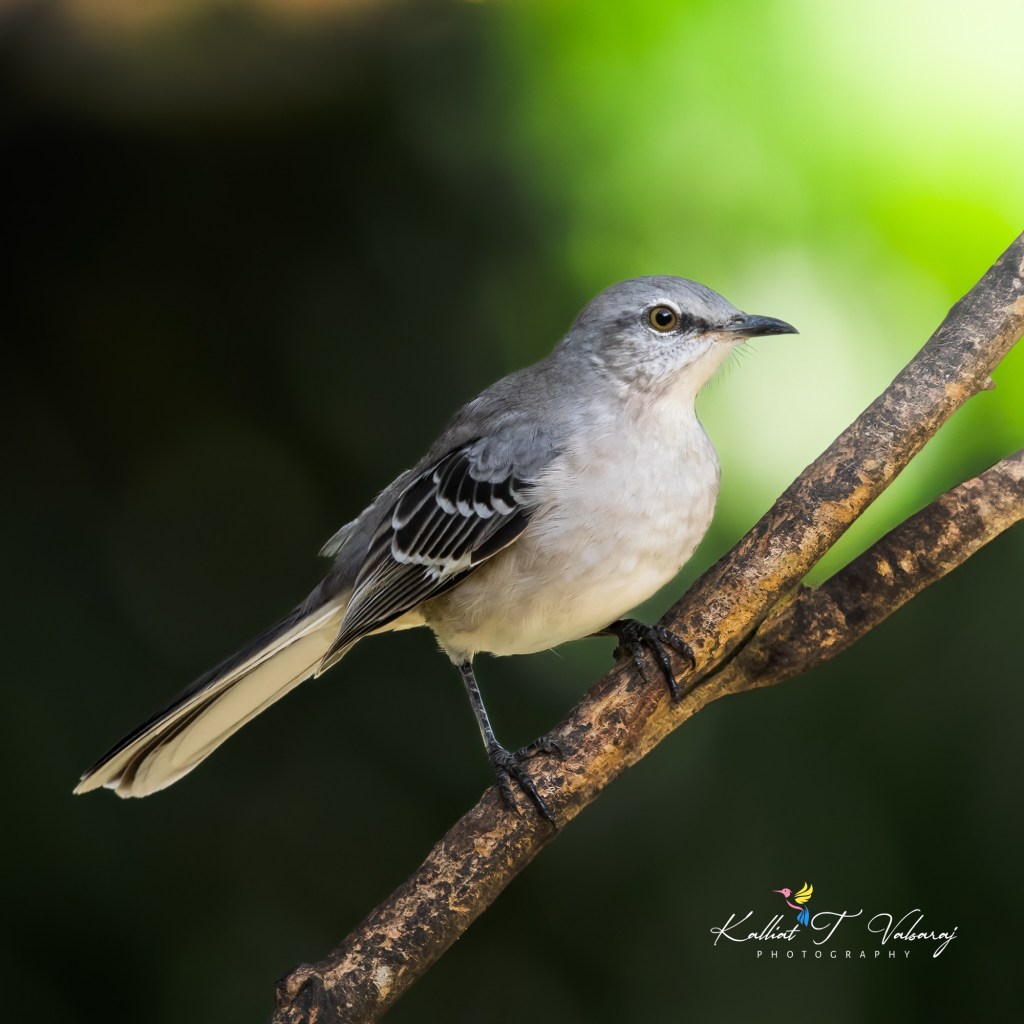
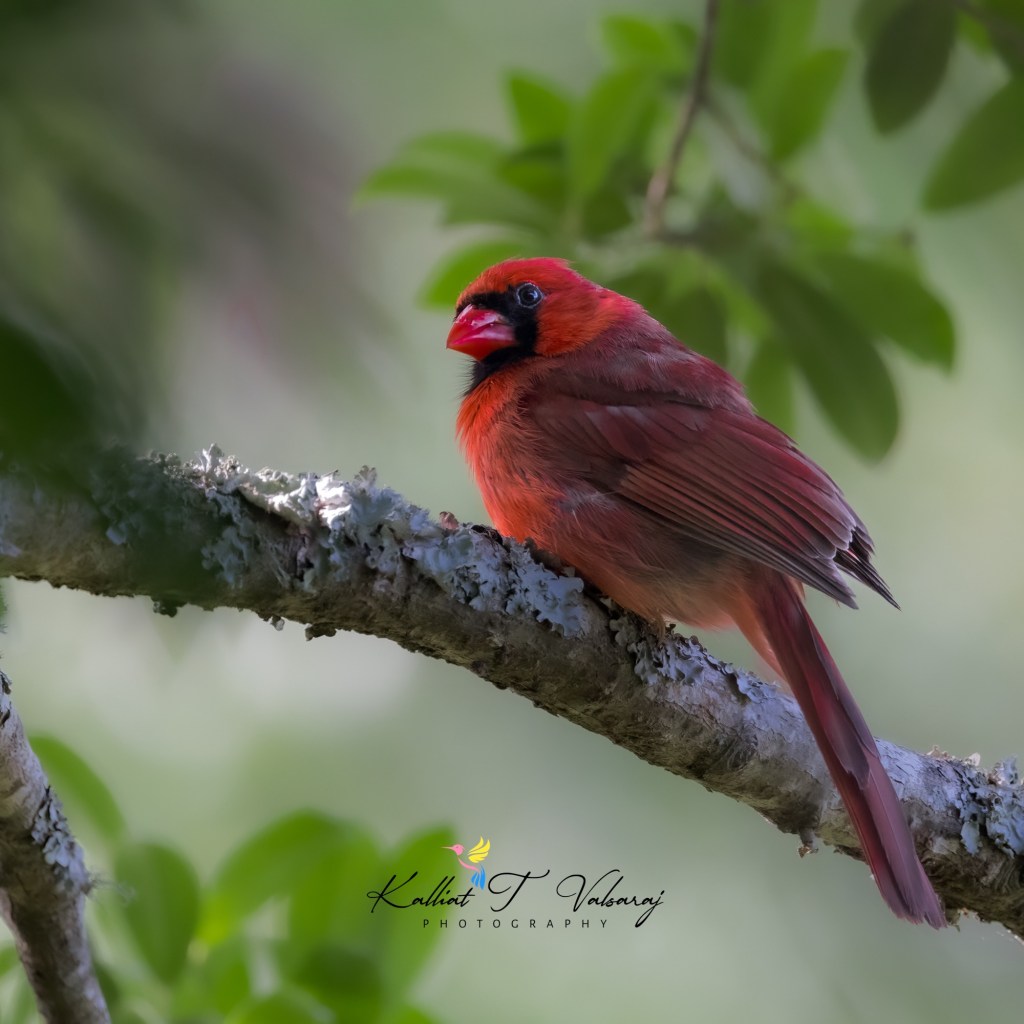
The sheer volume of migratory birds passing through the region is remarkable, though many fly overhead, often unnoticed. Following Hurricane Francine, which swept through our area three days prior, a phenomenon known as “bird fallout” occurred, resulting in an influx of birds remaining in the vicinity. By paying close attention to such events and venturing out soon after, birdwatchers can capitalize on the migration opportunities.
I have been fortunate to witness many migrating species this fall and spring. For those passionate about birdwatching, Louisiana is an exceptional destination in early spring and autumn, providing the chance to observe hundreds of migratory bird species. For photographers, this season presents a remarkable opportunity.
Thank you for your interest. Please consider liking this post and subscribing to my channel.
 Wild Trails Photography