

Over the course of more than 40 years of academic research, I have focused on the transport and transformation of anthropogenic chemicals released into various environmental compartments, including air, water, soil, sediments, and biota. This field, known as “environmental chemodynamics,” is crucial for understanding the fate and movement of diverse anthropogenic chemicals. My work has centered on tracing the pathways of these chemicals to their receptors across different environmental media. While humans are the ultimate receptors, most chemicals bioaccumulate in various matrices before reaching humans through ingestion or contact, either intentionally or inadvertently. Apex predators, particularly avian species, serve as “sentinel organisms” in this context.
More than six decades ago, Rachel Carson’s seminal book, “Silent Spring”, highlighted the detrimental effects of persistent organic pollutants (POPs). She drew attention to the reproductive harm caused by DDT to eagles and ospreys, which suffered from consuming contaminated fish and rodents. This revelation led to a significant environmental movement, culminating in the ban of DDT for pest control, resulting in the recovery of these bird populations. Nonetheless, other chemicals that act as endocrine disruptors remain in use, adversely affecting numerous apex predators through exposure to contaminated prey such as rats and mice. Many pesticides, rodenticides, and pharmaceutical products are lipophilic, accumulating in the lipids of fish and small mammals, which then transfer these chemicals to larger predators through a process known as “bioaccumulation.” These substances can disrupt endocrine function and exhibit toxicity in predatory birds. While my research has investigated pollutant concentrations and exposure rates among these predators, it has not delved into the specific effects on apex predators, an area outside my expertise. This blog aims to connect my work in environmental chemodynamics with ongoing research into these endpoint impacts.

Avian apex predators serve as effective indicators of the harmful effects of bioaccumulation. Eagles, ospreys, and hawks typically hunt fish and small mammals during daylight hours, while nocturnal predators like owls depend on mice and other mammals that are also active at night. These rodents are often treated with rodenticides, which can introduce various anthropogenic chemicals into the food chain. Owls, which inhabit every continent except Antarctica, are a unique subset of nighttime avian predators. Despite cultural associations with bad omens, they play a vital role in ecosystems by preying on nocturnal pests like mice, voles, small mammals, and snakes. Classified under the order Strigiformes, owls are divided into barn owls (Tytonidae) and typical owls (Strigidae). Approximately 254 to 268 owl species exist globally, with their distribution as follows:
| Continent | Number of owl species |
| North America | 19 |
| South America | 22 |
| Asia | 70 |
| Europe | 13 |
| Africa | 30-50 |
| Australia | 11 |
Owls thrive in diverse habitats, from tundra to tropical forests, grasslands, and deserts. As apex predators, they face potential population declines due to several factors, including habitat destruction, climate change, the pet trade, and the use of chemical pesticides and rodenticides. Owls primarily consume rodents that may be poisoned, leading to secondary poisoning—a significant concern. Chemicals such as organophosphates, carbamates, and anticoagulant rodenticides are major culprits. Additionally, the decline in prey populations due to pesticide use may lead to starvation among owls. In many regions, agricultural pesticides and rodenticides are applied near owl nesting sites. Anticoagulant rodenticides can cause internal bleeding and mortality in apex predators. Despite the ban on chlorinated pesticides like DDT in the 1970s, their persistence in soils and waters continues to cause reproductive issues, such as eggshell thinning and embryonic loss. Neonicotinoid pesticides also adversely impact insectivorous bird populations, creating cascading effects on owls that rely on these species for food.
Globally, numerous populations of avian predators are experiencing declines. A recent study revealed that among diurnal birds of prey—primarily hawks, eagles, and vultures—52% are witnessing a reduction in numbers. Similarly, 47% of threatened nocturnal raptors, including owls, are also declining. Out of the 236 owl species worldwide, 48% are decreasing in population, 49% remain stable, 2% are increasing, and 1% has an unknown status. According to data from the IUCN, around 25% of these species are classified as Vulnerable (VU), Endangered (EN), or Critically Endangered (CR).
| Owl species | Country |
| Congo bay owl | Democratic Republic of Congo |
| Forest Owlet | India |
| Blakiston’s fish owlet | China |
| Mohali scops owl | Madagascar |
| Seychelles scops owl | Seychelles |
| Pernambuco Pygmy Owl | Brazil |
In North America, significant studies conducted by the American Bird Conservancy (abcbirds.org/birds/?search_birds=owl ) assessed the status of owl populations across 15 different species:
| Owl species | Increasing | Decreasing | Stable | Unknown |
| Barn owl | x | |||
| Eastern screech owl | x | |||
| Great grey owl | x | |||
| Burrowing owl | x | |||
| Great horned owl | x | |||
| Barred owl | x | |||
| Snowy owl | x | |||
| Short-eared owl | x | |||
| Northern spotted owl | x | |||
| Elf owl | x | |||
| Crested owl | x | |||
| Northern saw-whet owl | x | |||
| Flammulated owl | x | |||
| Long-eared owl | x | |||
| Long-whiskered owl | x |
In many areas of the United States and Canada, the barred owl population has remained stable and is even increasing, leading to habitat management efforts aimed at controlling their population in the western U.S. to protect smaller owl species. However, significant evidence has been forthcoming on the likelihood of acute exposure of barred owls to anticoagulant rodenticides used in agricultural fields and forests.
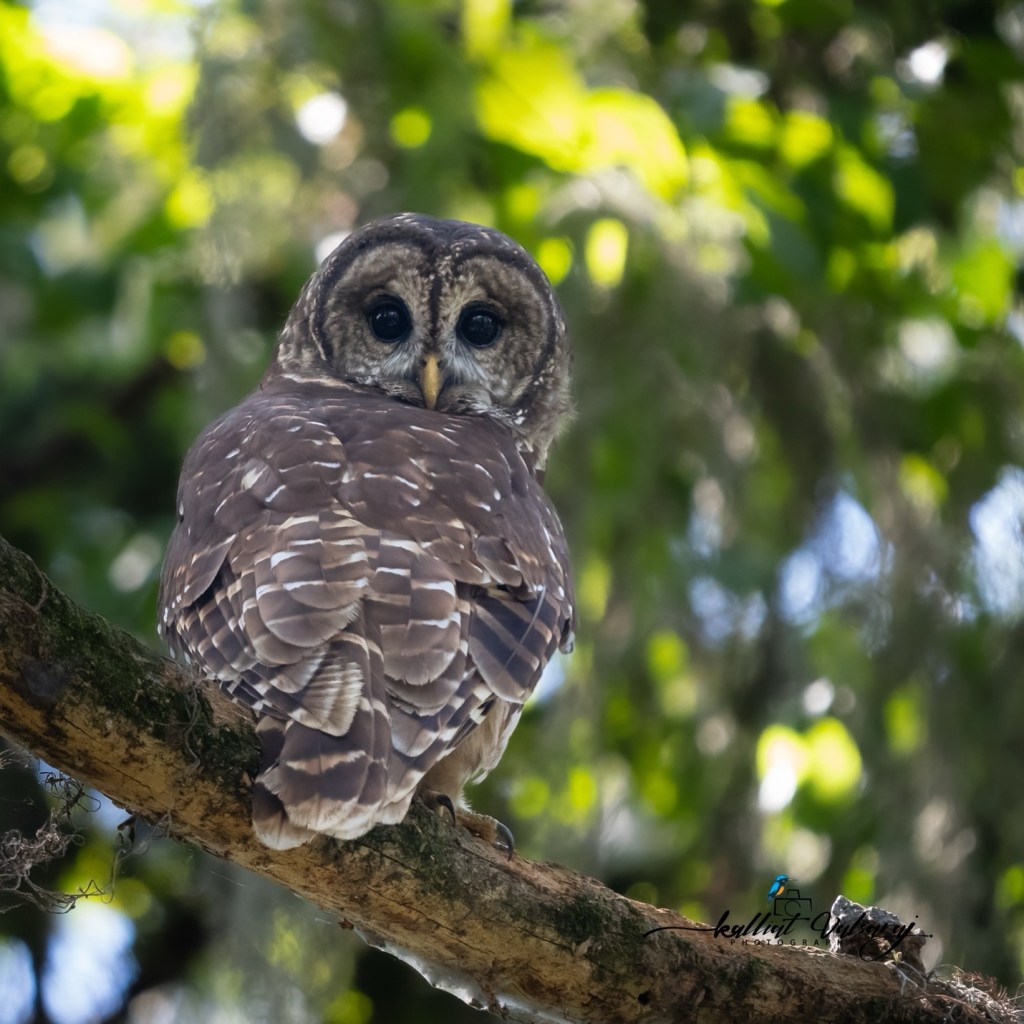
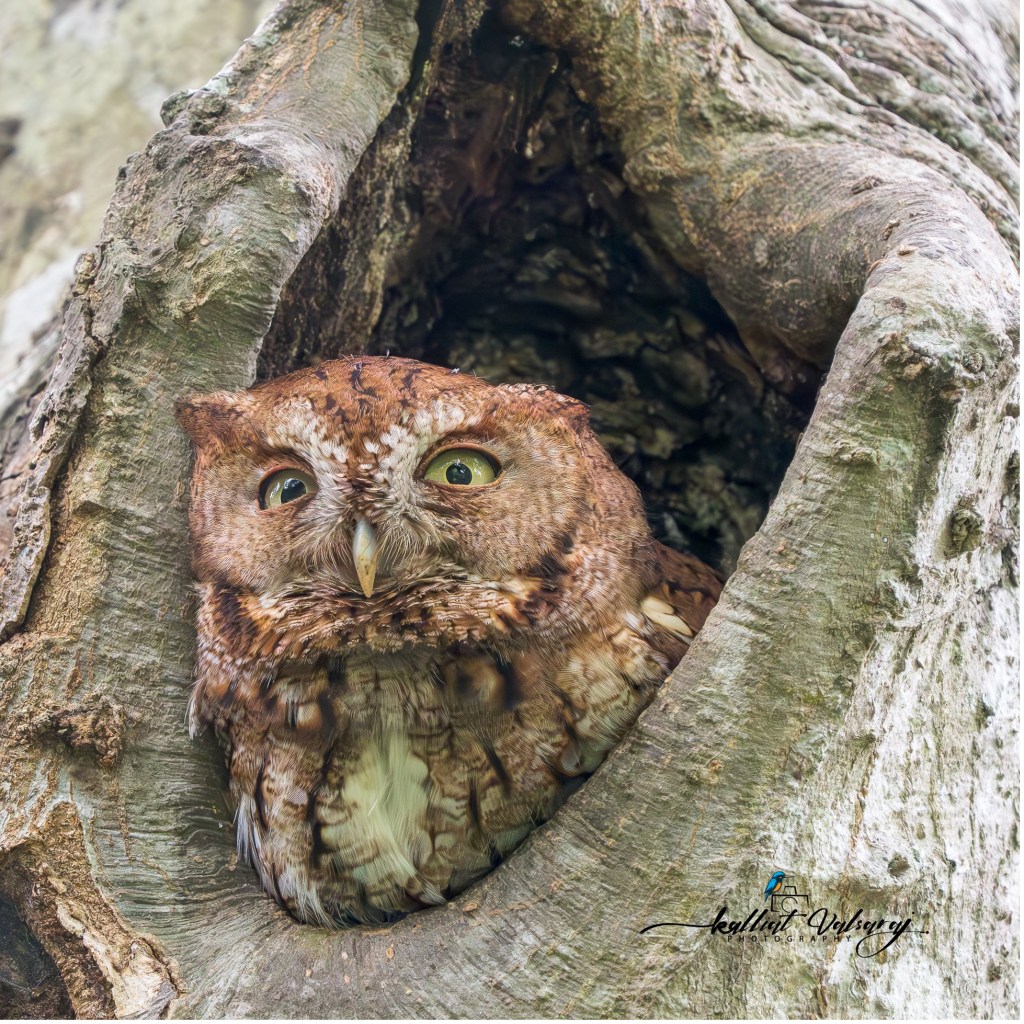
Conversely, Eastern screech owls and Northern spotted owls are experiencing declines due to habitat loss and competition with barred owls for nesting sites. Northern spotted owls, which typically nest in cavities close to human habitation, are particularly vulnerable to eviction by the larger barred owls in forested areas. Approximately 65% decline in the population of spotted owls has been observed. Significant spotted owl populations have tested for rodenticides in some of the western United States.
The snowy owl has also seen a dramatic decline (over 60%) attributed to habitat destruction, rodenticide use on its prey and climate change; it is listed as Vulnerable (VU) by IUCN. Burrowing owls have declined by 30-50% in many areas. Long-eared owls have declined by 91% since the 1970s primarily driven by habitat loss, particularly the disappearance of grassland-forest edges, riparian woodlands, loss of prey (due to rodenticide usage) and isolated tree stands.
Barn owls, which commonly inhabit agricultural landscapes and help control pest populations, are facing reductions in numbers due to habitat loss and exposure to rodenticides, leading to eggshell thinning and reduced nestling survival. Chemical pollution, particularly from rodenticides, plays a significant role in the decline of barn owl populations. These owls experience secondary poisoning when they consume rodents that have ingested anticoagulant rat and mouse poisons. Although habitat destruction and vehicle collisions pose considerable threats, chemical pollutants have a direct impact on the health, survival, and reproductive success of barn owls.
Anticoagulant rodenticides lead to fatal internal bleeding in animals that ingest them by hindering the blood clotting process. As poisoned rodents may take several days to succumb, they become lethargic and vulnerable, making them easy targets for barn owls and other predators. Consequently, these poisons accumulate in the owls’ bodies, ultimately reaching toxic levels. Second-generation anticoagulant rodenticides (SGARs), introduced in the 1970s, are markedly more toxic than their predecessors and persist in an animal’s system for extended periods. Post-mortem examinations have revealed that barn owl carcasses contain these highly hazardous residues. Even non-fatal doses of these poisons can have detrimental effects on barn owls. Sub-lethal exposure may adversely affect breeding success and impair the owls’ hunting abilities, particularly during times of food scarcity. Monitoring efforts indicate that a significant proportion of barn owls carry poison residues, with a 2022 study in the UK showing that 79.5% of the tested birds were contaminated. The prevalence of rodenticides in agricultural and urban environments where barn owls reside complicates their ability to locate uncontaminated prey. The lack of regulations regarding the purchase and application of these toxic substances exacerbates the issue.
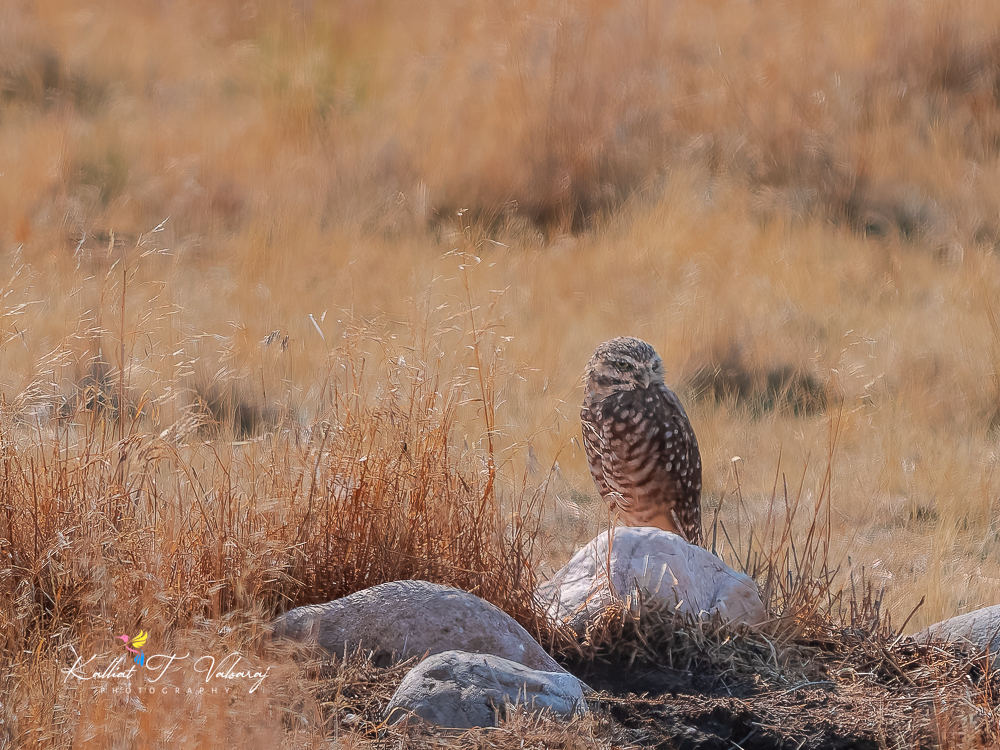
Burrowing owls are getting near their extension as their numbers are rapidly decreasing all over North America. Their primary habitat, viz., prairie grasslands, are being replaced by agricultural farmlands and their prey which include invertebrates such as lizards, birds and mammals (mice, voles, bats, squirrels etc.) are being poisoned through rodenticides.
In the Indian subcontinent, 36 owl species have been documented, but overall populations are declining due to habitat destruction, illegal pet trade, and the widespread use of agricultural pesticides, rodenticides, and insecticides. Of these 18 are listed as decreasing in population. While habitat loss is challenging to mitigate, the use of rodenticides and secondary poisoning can be addressed. Despite understanding the toxicity of organophosphate insecticides (e.g., fenthion, chlorpyrifos, famphur), they continue to be applied in parts of India. Anticoagulant rodenticides are also used by farmers, leading to the poisoning of rodents that serve as prey for barn owls. In certain regions, such as the remote Lakshadweep islands, biological rodent control using owls has proven effective, highlighting the inadequacy of chemical methods. Although organochlorine pesticides are no longer in use, their persistence from earlier applications continues to impact reproductive success in owls. Carbofuran, a carbamate pesticide, is another factor contributing to the decline of owl populations.
| Owl species | Increasing | Decreasing | Stable |
| Indian scops owl | x | ||
| Rock eagle owl | x | ||
| Forest owlet | x | ||
| Barn owl | x | ||
| Eastern grass owl | x | ||
| Collared scops owl | x | ||
| Oriental scops owl | x | ||
| collared owlet | x | ||
| Asian barred owlet | x | ||
| Jungle owlet | x | ||
| Spotted owlet | x | ||
| Spot-bellied eagle owl | x | ||
| Dusky eagle owl | x | ||
| Brown fish owl | x | ||
| Tawny fish owl | x | ||
| Mottled wood owl | x | ||
| Brown wood owl | x | ||
| Brown hawk owl (Brown boobook) | x |
The brown boobook, known as the brown hawk owl, is found in southern India, Sri Lanka and many south asian countries. Although not yet listed as vulnerable, their population has declined by about 20% in the past two decades. It primarily preys on rodents and other small animals susceptible to rodenticide exposure. Its habitat is being continuously destroyed due to human encroachment.

The Oriental Scops Owl, a widespread species in South Asia, is classified as Least Concern by the IUCN. However, local habitat destruction for human development poses significant threats to its population, and high rates of rodenticide use not only diminish its food sources but also lead to reproductive challenges.
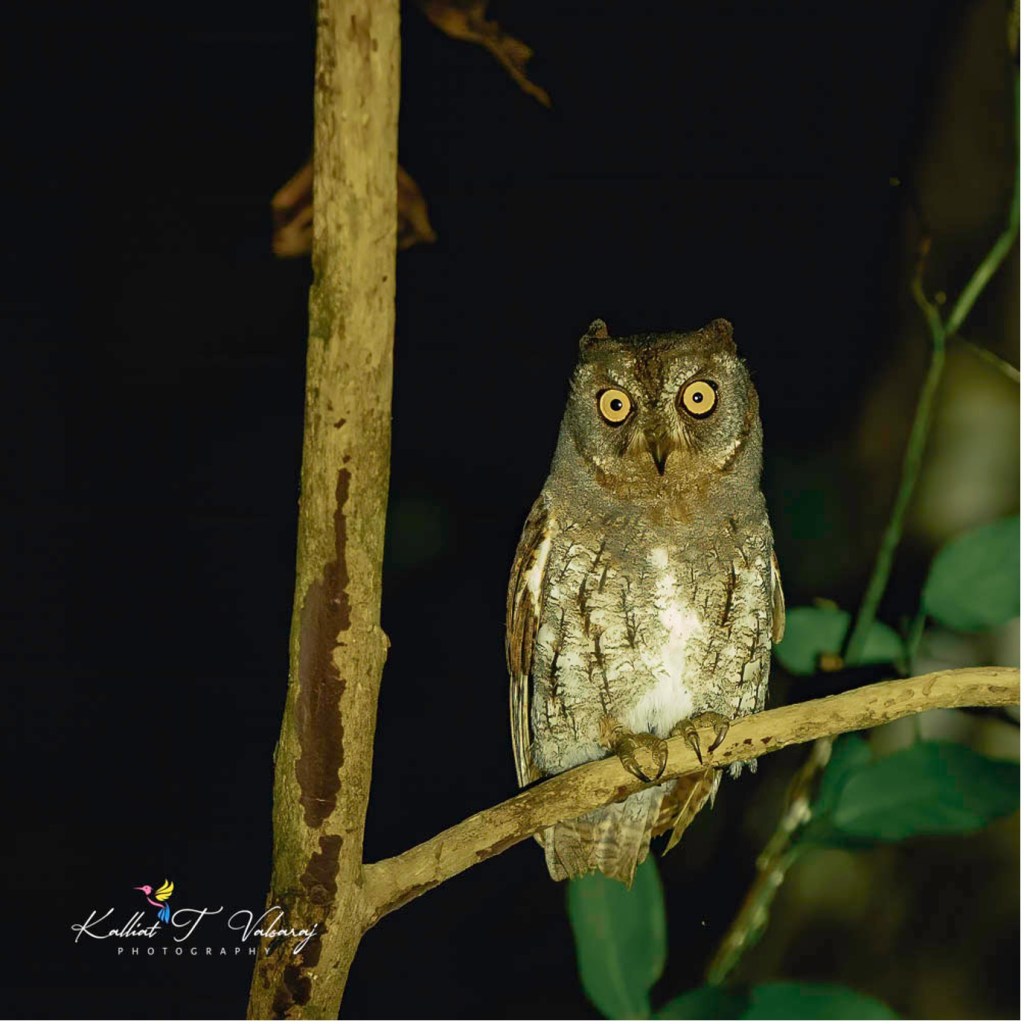
The mottled wood owl, commonly found in gardens and wooded areas primarily in India and Nepal, preys on rodents and small birds exposed to rodenticides. Although not currently threatened, there are growing concerns regarding habitat loss and potential reproductive issues. It has been shown to have a declining population around 19% all over India.
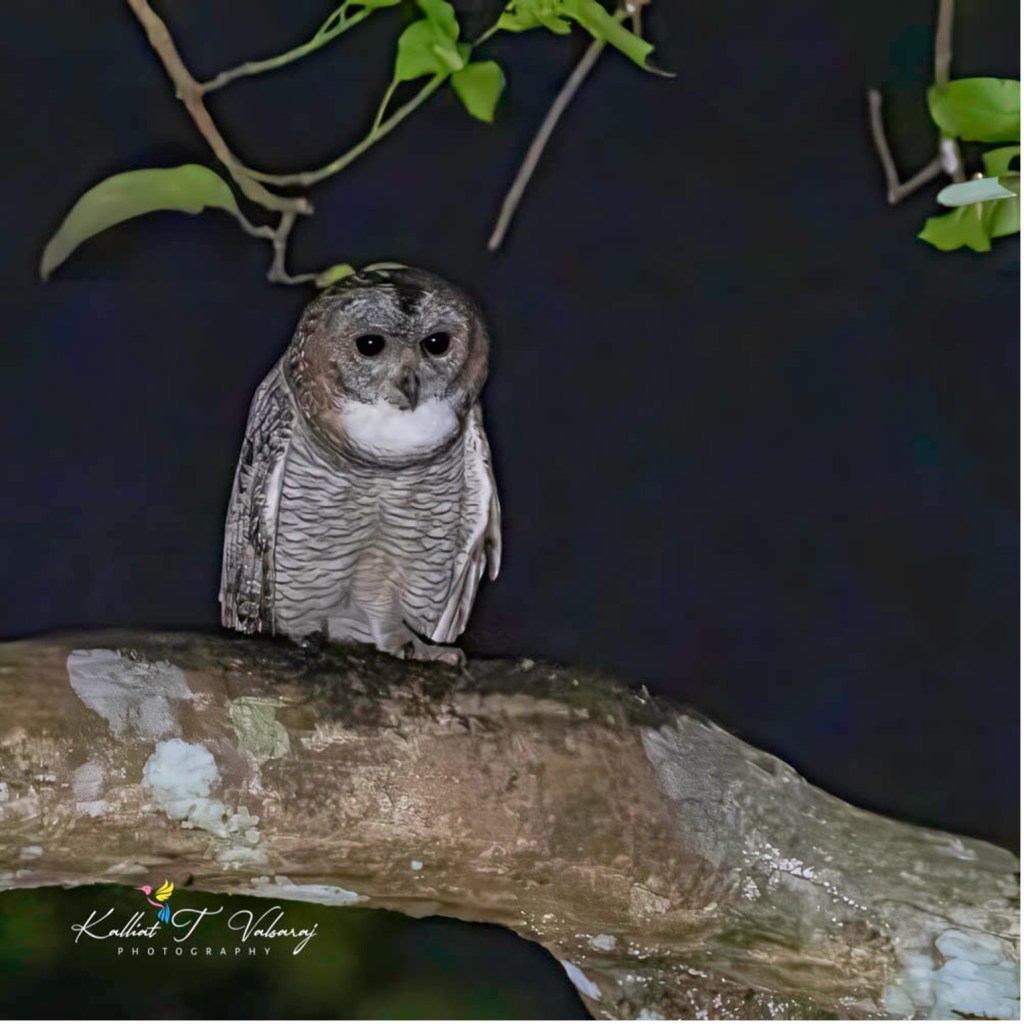
The declining owl population throughout south America is primarily attributed to various threats, notably habitat loss and the application of rodenticides. This issue spans across all regions, from the Atlantic forests of Brazil to the grasslands of Argentina. Additionally, climate change is intensifying these challenges. Of the 22 species in South America, six are categorized as vulnerable or endangered.
| Owl species | Region/Country |
| Pernambuco Pygmy owl | Brazil |
| Alagoas screech owl | Brazil |
| Santa Marta screech owl | Colombia |
| Xingu screech owl | Brazil |
| Crested owl | Central/South America |
| Burrowing owl | Central/South America |
| Amazonia pygmy owl | Brazil |
A few of the common owl species often found in South America include the Great horned owl, tropical screech owl, Central American pygmy owl, and Ferruginous pygmy owl.
Ferruginous Pygmy-Owl populations are experiencing declines in certain regions of North America, primarily due to habitat loss linked to agriculture and climate change. In contrast, there is a slow overall population decline (about 10%) throughout South America. Nevertheless, these populations remain susceptible to habitat degradation, agricultural pesticide use, and are occasionally kept as caged pets.
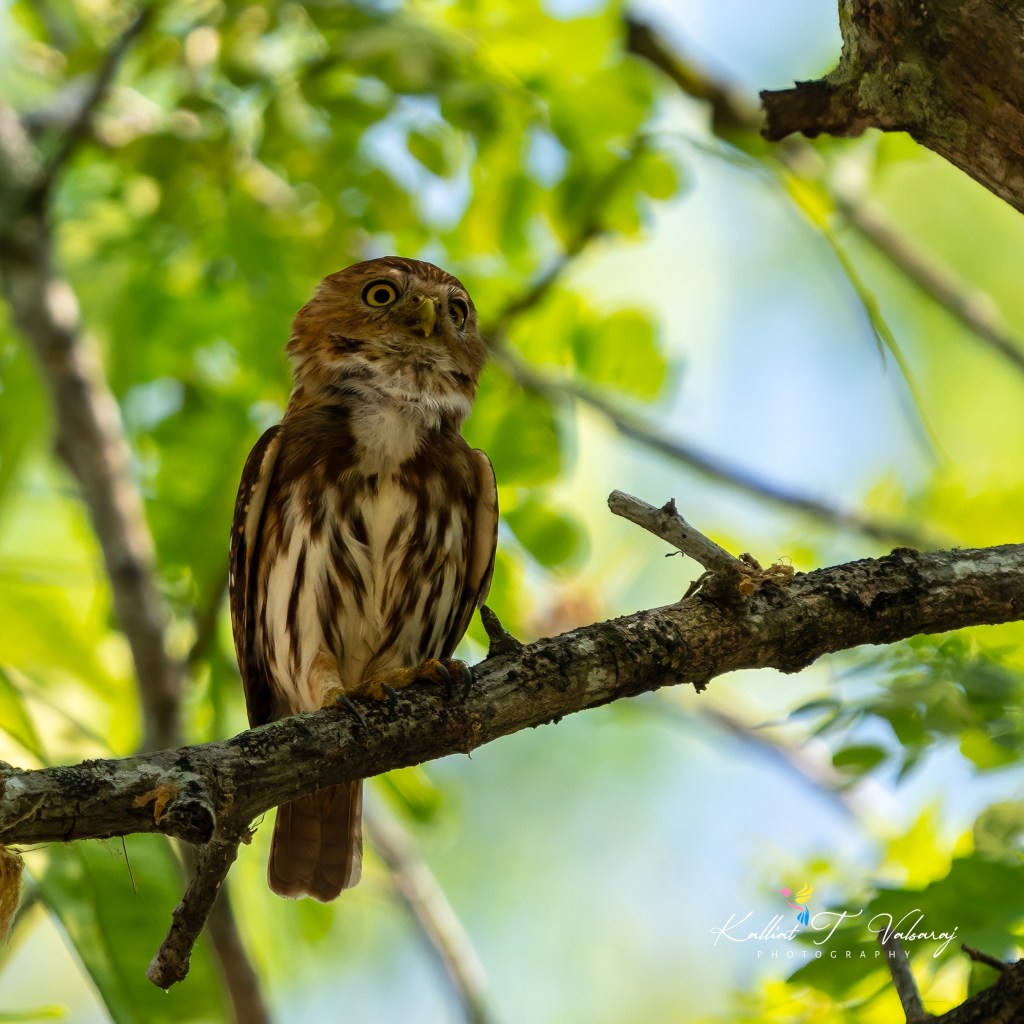
Concerns regarding the decline of pygmy owl populations in South America largely center on the Ferruginous Pygmy-Owl (Glaucidium brasilianum), which is widely distributed across Central and South America. Although the Ferruginous Pygmy-Owl is typically regarded as a common species, certain populations are encountering threats and experiencing reductions in numbers. In contrast, the Pernambuco Pygmy-Owl (Glaucidium mooreorum), recognized as a separate species, is classified as “Critically Endangered” and “Possibly Extinct” by the IUCN. Additionally, the Cloud-forest Pygmy-Owl (Glaucidium nubicola) is facing population declines attributed to habitat loss and degradation.

The Tropical Screech Owl is classified as a species of “Least Concern” by the IUCN; however, its population is experiencing a downward trend throughout its extensive range in South America. Although this decline does not occur at a pace sufficient to categorize the species as vulnerable, various factors are adversely affecting its numbers.
Key contributors to this population decrease include deforestation and the clearing of forests for agricultural expansion, urban development, and resource extraction, which are the primary causes of avian declines in the area. While Tropical Screech Owls prefer habitats at the edges of forests and in open woodlands, significant forest loss detrimentally affects their living conditions. Additionally, as insectivores, these owls are susceptible to the effects of pesticides utilized in agricultural zones and plantations. Such chemicals can directly harm the owls or diminish their food sources, further exacerbating their population challenges.
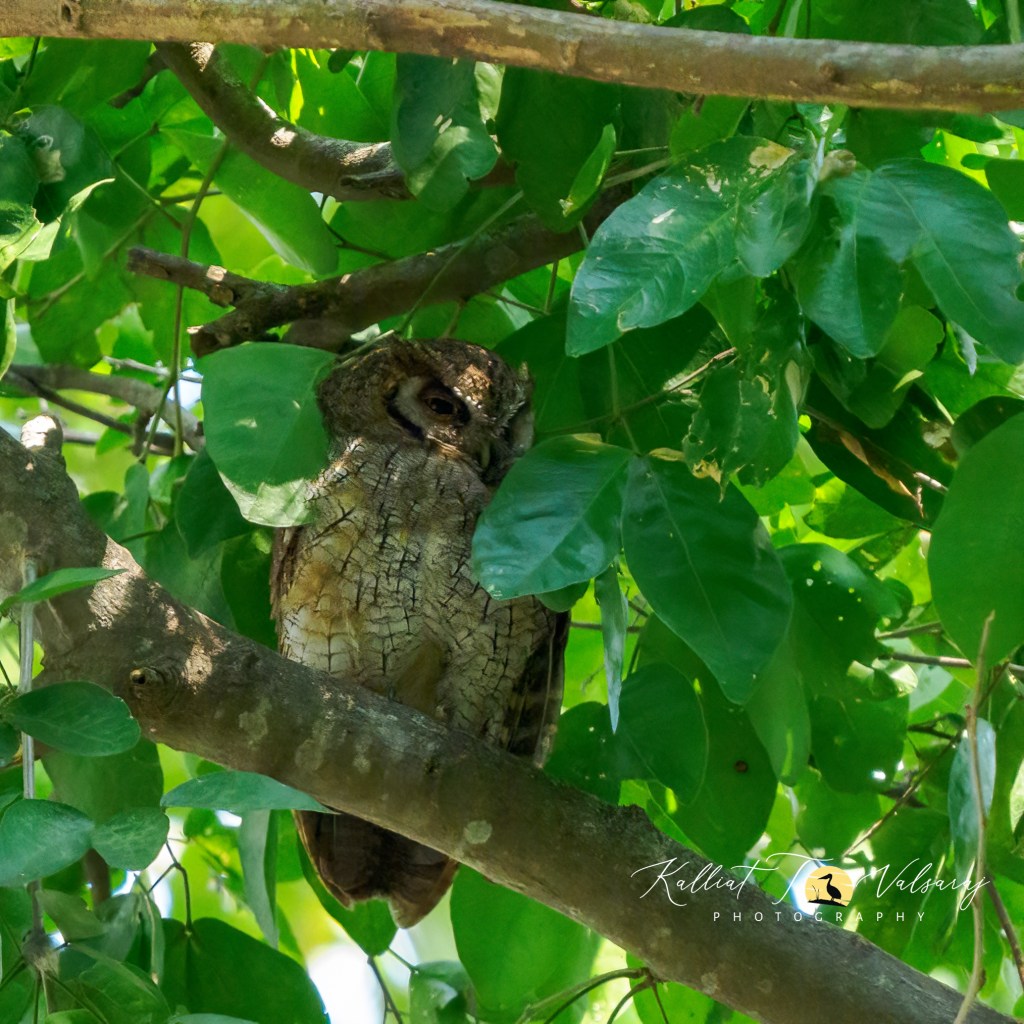
Current data does not indicate a significant decline in the Great Horned Owl population in South America. This species is classified as “Least Concern” globally and seems to be stable in many regions. In contrast, populations in North America, especially in the United States and Canada, have experienced reductions attributed to factors such as pesticide application, habitat destruction, and vehicle collisions. However, the Great Horned Owl’s ability to adapt to various environments and its extensive geographical range have enabled it to prosper across much of the Americas, including South America.

Extensive literature exists on the role of wildlife toxicology in owls as bio-monitors of environmental contamination. As apex predators primarily preying on nocturnal rodents, exposure to rodenticides poses a significant risk to owls worldwide. The primary pathways of exposure and mortality include secondary poisoning and bioaccumulation. Documented effects such as eggshell thinning and impaired reproductive capabilities indicate a direct correlation between declining owl populations and the increased use of pesticides and rodenticides. Since the mid-1900s, when pesticide use became prevalent globally, owl species have seen gradual population declines. Systematic monitoring of deceased owls for pesticide residue analysis can serve as an early warning system for harmful anthropogenic chemicals in the environment. Continued photographic documentation of owls worldwide will significantly contribute to conservation efforts, a pursuit I intend to support through my photography. Currently, I have observed only roughly 4% of the owl species worldwide. My goal is to explore and study as many as possible in the coming years, particularly focusing on those that are especially susceptible to human-made chemicals.
 Wild Trails Photography