The southern region of Texas shares a distinctive border with Mexico, characterized by semi-tropical conditions that facilitate bird migration from Central America across the Mississippi and Central flyways. This area is home to numerous native bird species not found elsewhere in the United States. The bird-abundant locales along the Rio Grande River provide an ideal setting for photographers looking to hone their skills. Numerous ranches cater specifically to birdwatching and photography, offering well-designed bird hides complete with waterholes and woodlands that create natural studio-like environments for practice. These ranches are also dedicated to fostering the ideal habitats for bird conservation. Recently, I had the pleasure of visiting Laguna Seca Ranch in Edinburgh, Texas, a property steeped in history since its establishment in the 1800s for agricultural and cattle-raising purposes. Covering approximately 700 acres, it is located 20 miles from Edinburgh, Texas, the nearest city along the U.S.-Mexico border.
Upon entering the ranch, one quickly notices the absence of a welcome station or personnel. Reservations must typically be made in advance through accredited agents or firms that organize bird photography workshops on-site. My reservation was arranged through Jim Zuckerman Photography, with a three-day session coordinated by the esteemed photographers Mr. Jim Zuckerman and Ms. Ruth Hoyt. Accommodation is usually provided at Home2Suites by Hilton in Edinburgh, Texas, after arriving at McAllen International Airport. On the arrival day, an evening session is held to outline the details of the following three days.
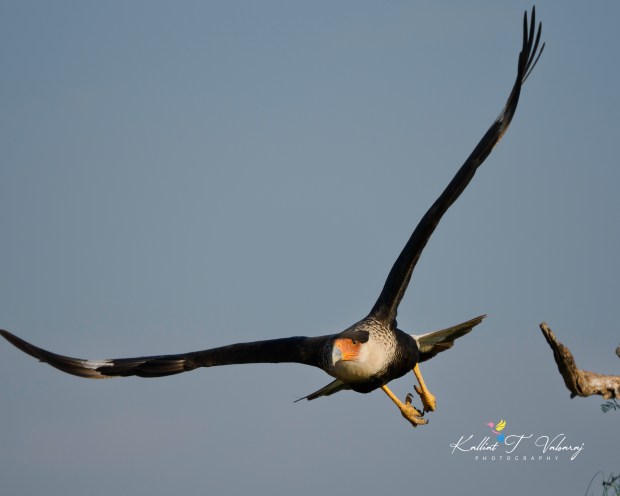
The first photography session commenced early in the morning at around 6:30 AM, allowing ample time to set up in the photography hide and observe the morning activities of various birds on the ranch. This schedule also afforded a four-hour window for shooting before the sun rose high, making it challenging to photograph due to the heat. Although South Texas is known for its high temperatures, the wind and low humidity make it manageable, provided you stay hydrated. The morning’s focus was on raptors, particularly the Crested Caracaras, black and turkey vultures, and the stunning Harris’s Hawk. The photography hide is strategically designed for optimal flight shots, with raptors being fed chicken meat. Perches, including cactus trees and dead branches, are positioned approximately 30 feet away, and the blinds vary in height to capture both low and high-flying shots as the raptors interact while competing for food. I found it essential to maintain a shutter speed of around 3200 and an f-stop of 8 or lower. Given the varying sunlight intensity, I set the ISO to auto, with a maximum of 10,000. These flight and perched shots yielded some of my best images of the raptors. An exciting moment occurred when a scissor-tailed flycatcher harassed a caracara in flight, fiercely protective of its nearby nest. This fleeting shot, lasting only seconds, was captured with minimal clarity, although some fellow participants managed to secure clearer photos. The interactions between black and turkey vultures and the caracaras for food scraps also produced impressive shots.


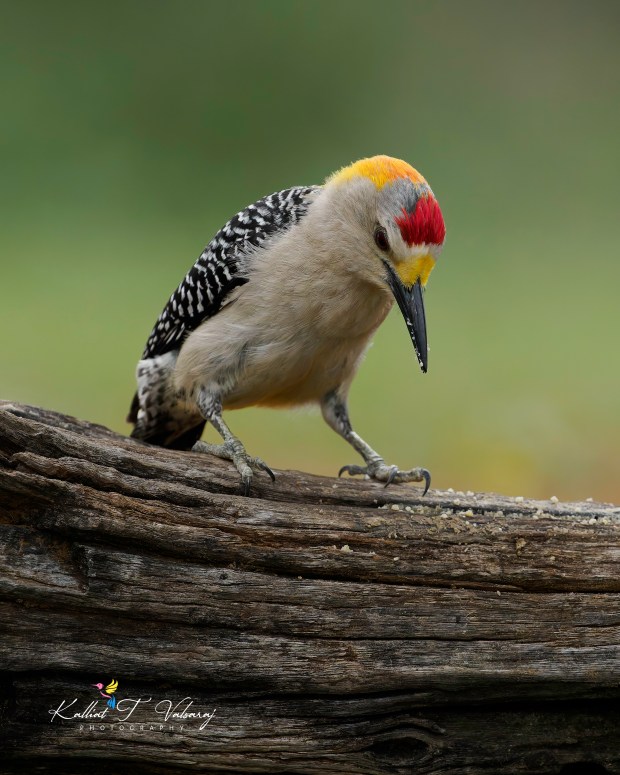
The afternoon session began at 3:30 PM in a different hide, where we encountered numerous songbirds. Golden-fronted woodpeckers posed beautifully, while playful green jays provided ample photographic opportunities. A curious greater roadrunner visited the feeders twice, and a male and female painted bunting graced us with their presence, making for stunning captures. A dove leisurely approached our hide, allowing us to photograph it at close range. In the evening, the group reconvened for dinner at a local restaurant, sharing lively discussions about the day’s experiences.

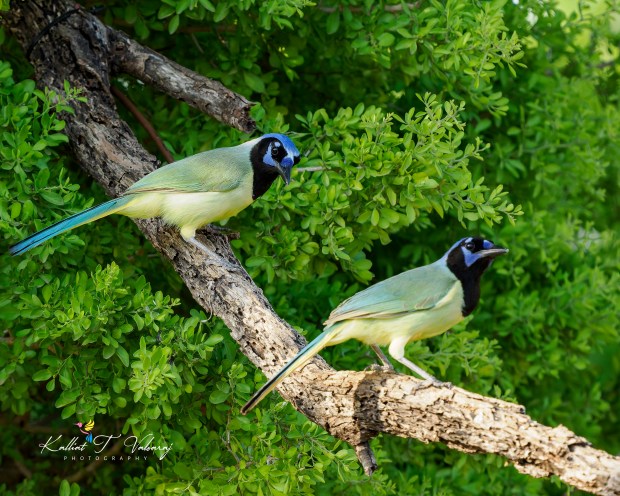

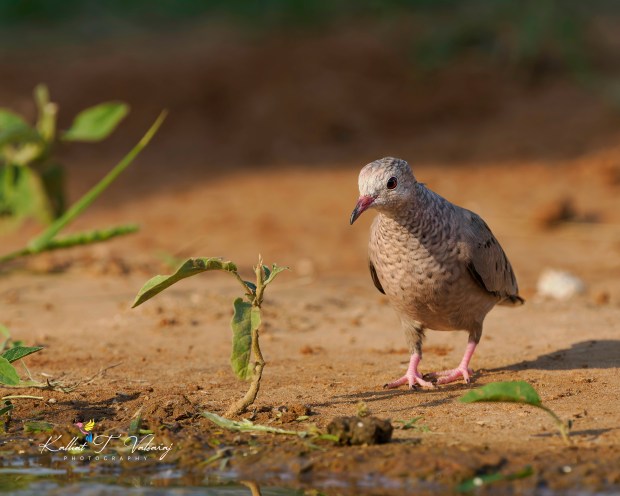
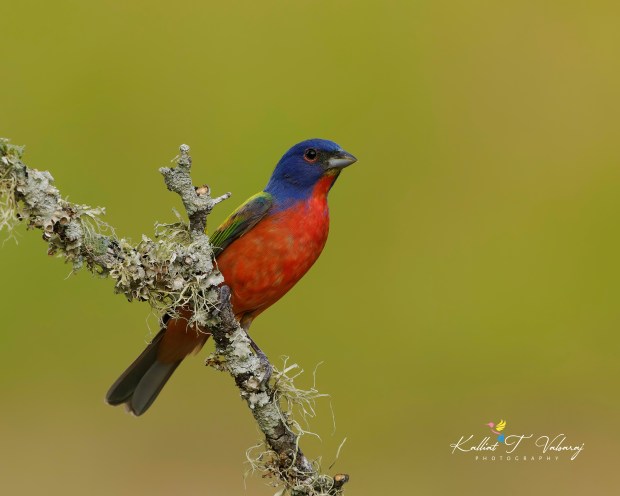
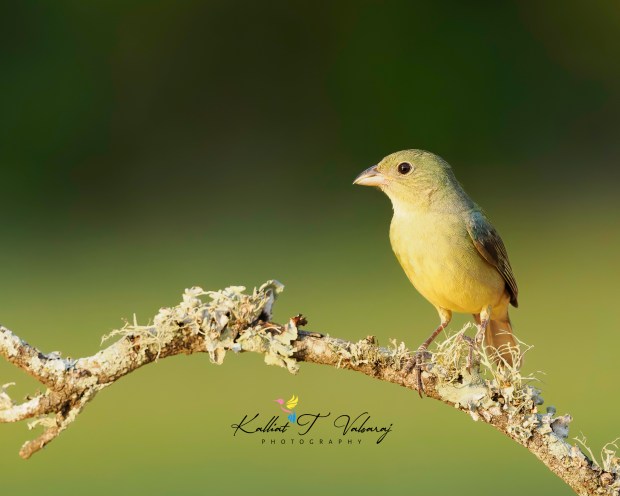
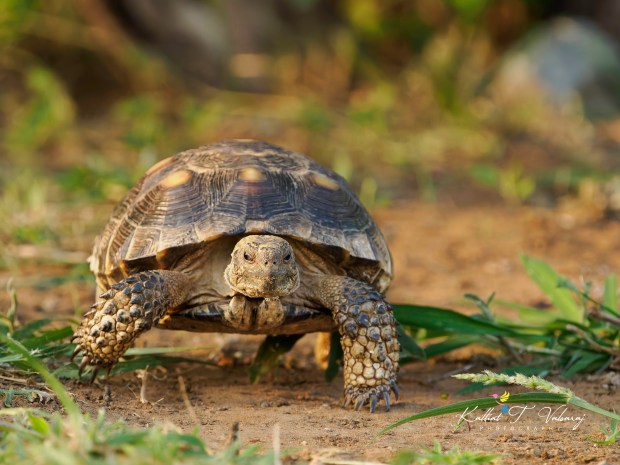
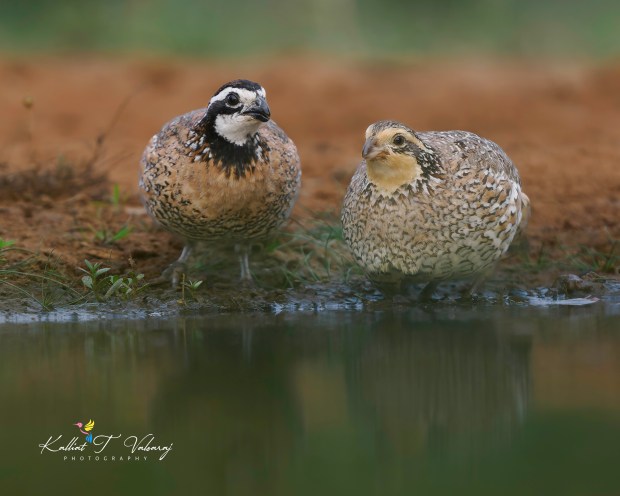
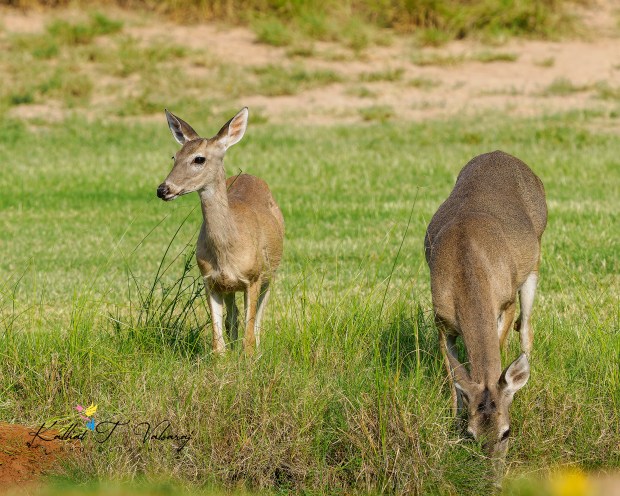
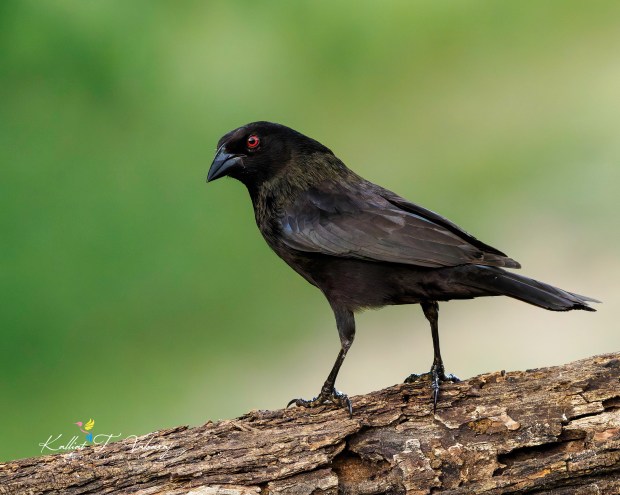
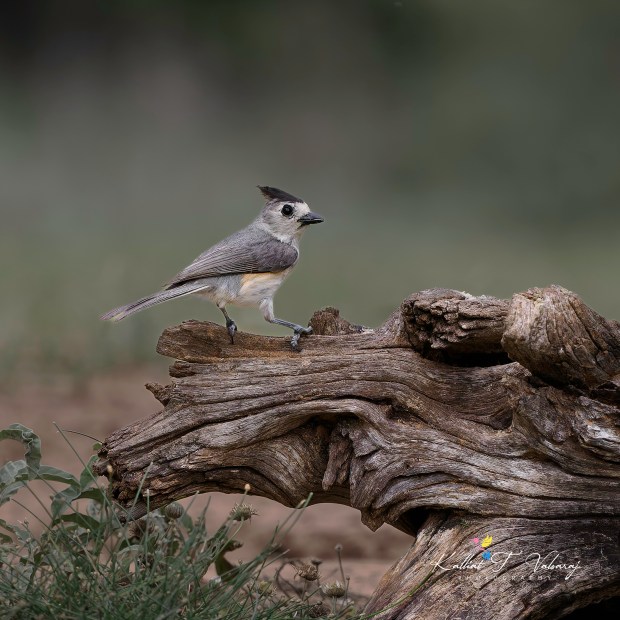
The second day’s morning session started early as well, using another hide for our photography pursuits. The desert cardinal, Pyrrhuloxia, made a grand appearance, offering numerous opportunities for both perched and bathing shots. A large tortoise ambled by the pond, while a male and female northern bobwhite quail presented excellent opportunities for clean shots together and individually. A cautious white-tailed deer also made an appearance, and a brown-headed cowbird frequently enjoyed the suet, joined by a magnificent black-crested titmouse.
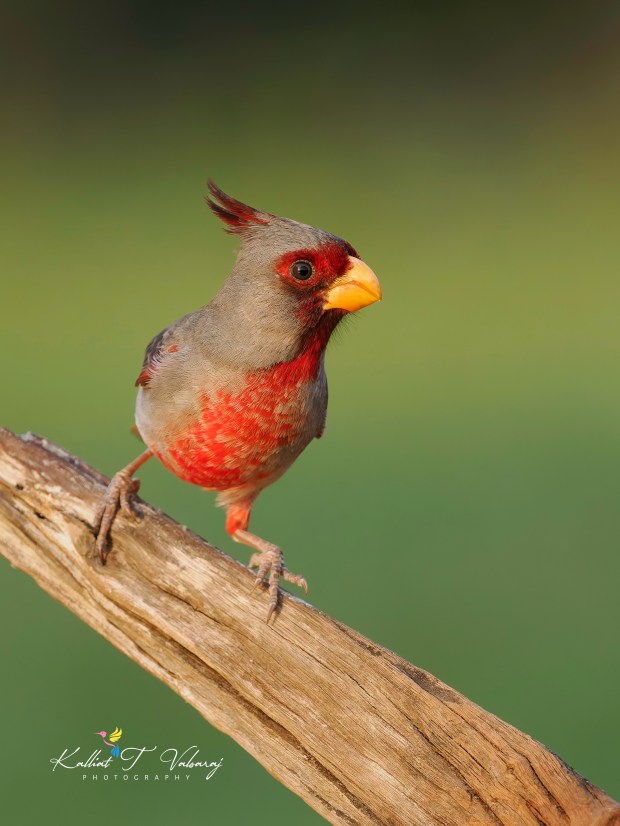

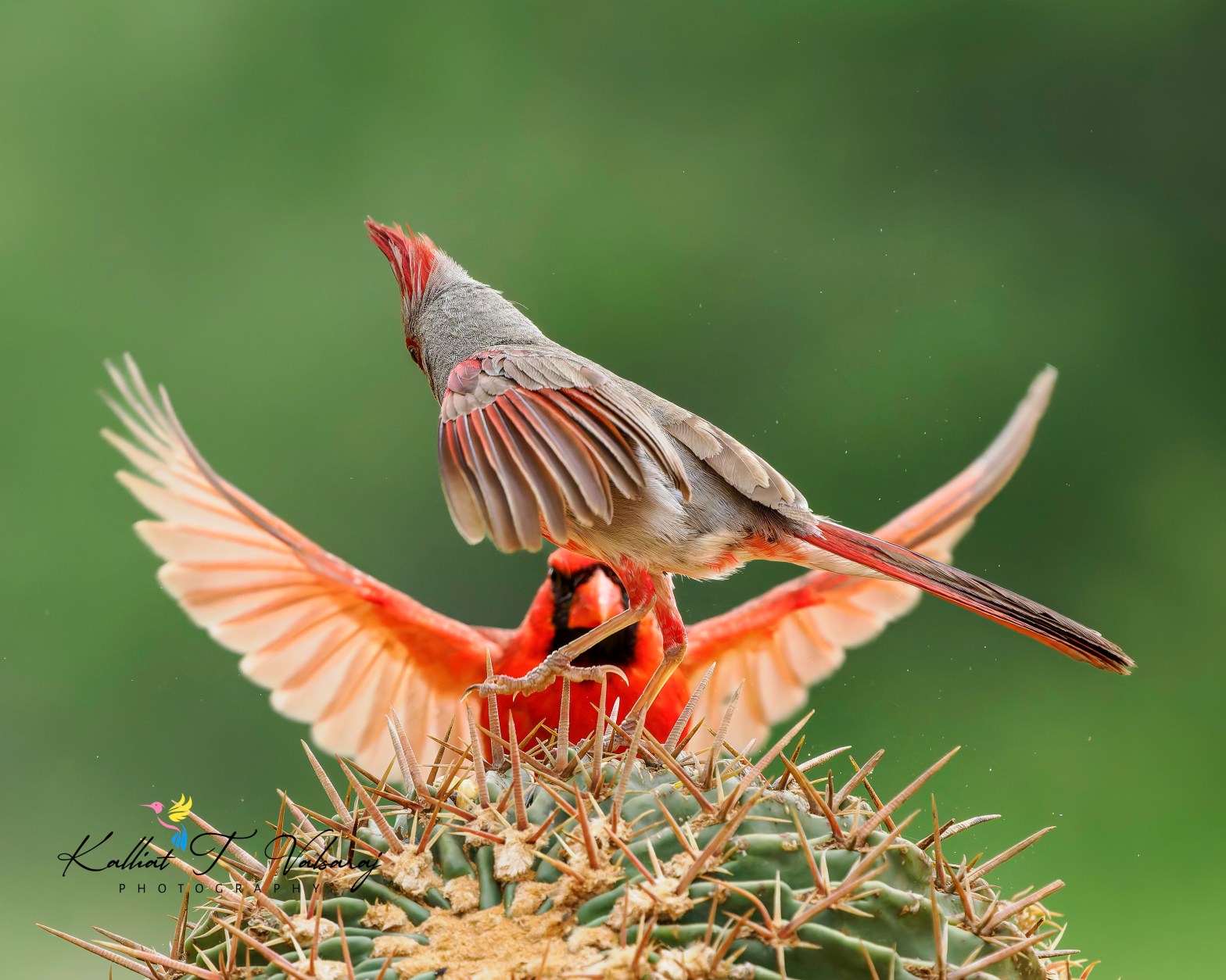
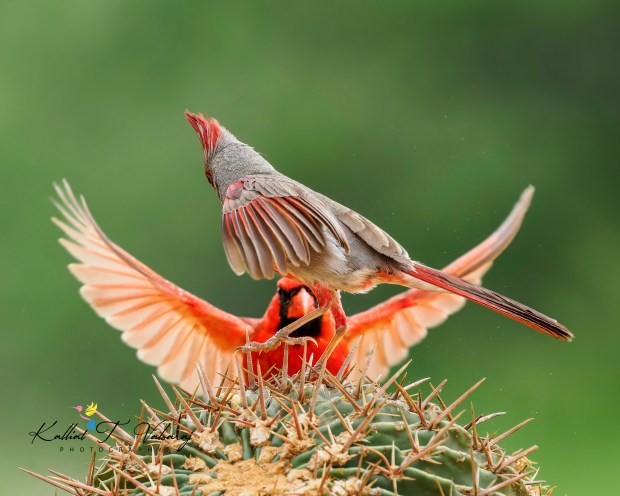
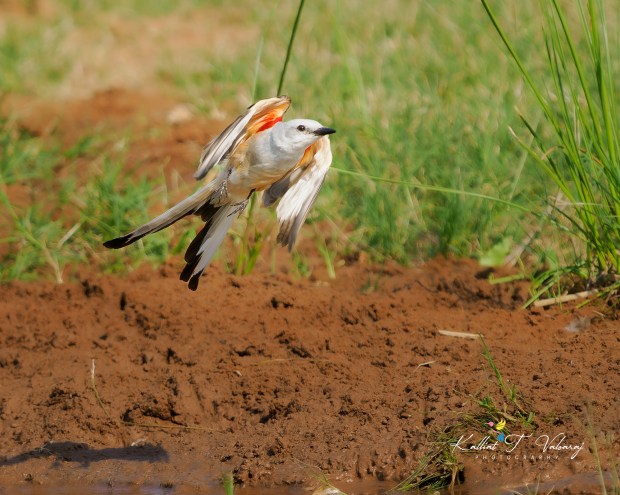
Following a productive lunch, we gathered at another hide with cacti, old logs, and flowers surrounding a pond. This setting proved advantageous for capturing birds in flight. Two northern cardinals engaged in intricate maneuvers around the cactus, feeding one another and demonstrating their delicate approach to navigating the thorns. We also observed a brief skirmish between a northern cardinal and a Pyrrhuloxia as they competed for suet and nuts placed on the cactus. Golden-fronted woodpeckers made several appearances, providing abundant opportunities for flight photography showcasing their full wing spread. The pond was a prime location for photographing the beautiful scissor-tailed flycatcher, which stopped to drink before soaring off, presenting a perfect opportunity for a flight shot. Along the water’s edge, a female summer tanager took a bath, offering numerous chances for photography, while the male only provided brief perched shots before quickly flying away. Dinner that evening was spent at a nearby restaurant, filled with engaging discussions about our daily experiences.


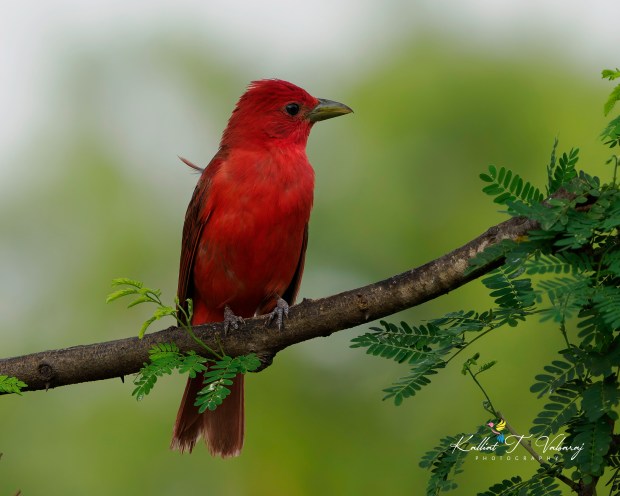
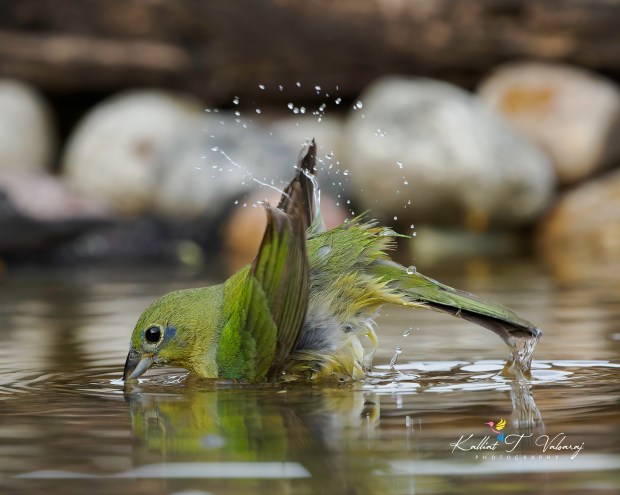
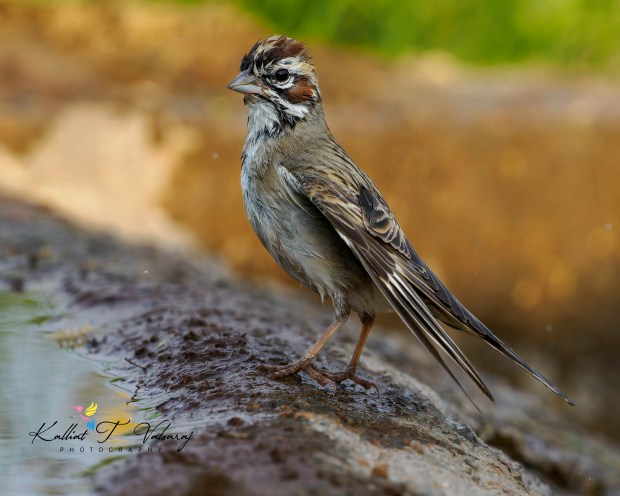
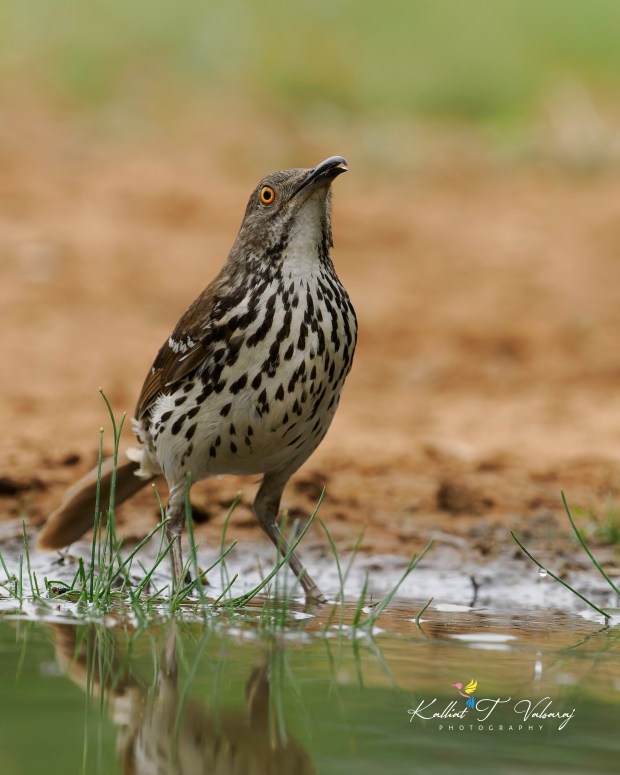
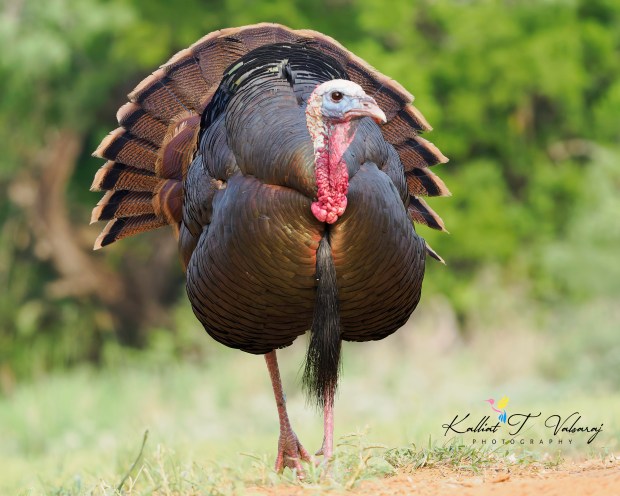
The final session consisted of a half-day photography lesson at another hide, proving to be highly productive. We spotted a variety of birds, including lark sparrows, great Kiskadees, curve-billed thrashers, long-billed thrashers, a pair of golden-fronted woodpeckers, bullock’s orioles, kingbirds, and a striking male painted bunting that frequently returned to the water. A highlight was the appearance of a pair of turkeys (male and female), providing us with exceptional natural shots.



Overall, the opportunity for both natural bird photography and birds-in-flight (BIF) photography at the ranch significantly contributed to enhancing our skills. The knowledgeable leaders imparted valuable techniques that we learned throughout the visit. The organizers were also considerate of the extreme heat, strategically spacing out activities to maximize our experience. I believe that such opportunities are essential for those new to bird photography, as well as semi-professionals venturing into serious bird photography. Capturing birds in flight is a challenging genre that necessitates many learning opportunities to refine one’s craft, especially for those of us planning to explore bird photography in other countries and locations.
Thank you for visiting my blog! If you haven’t subscribed yet, please give this video a thumbs up and consider subscribing, so I can continue bringing you more content like this in the future.
 Wild Trails Photography