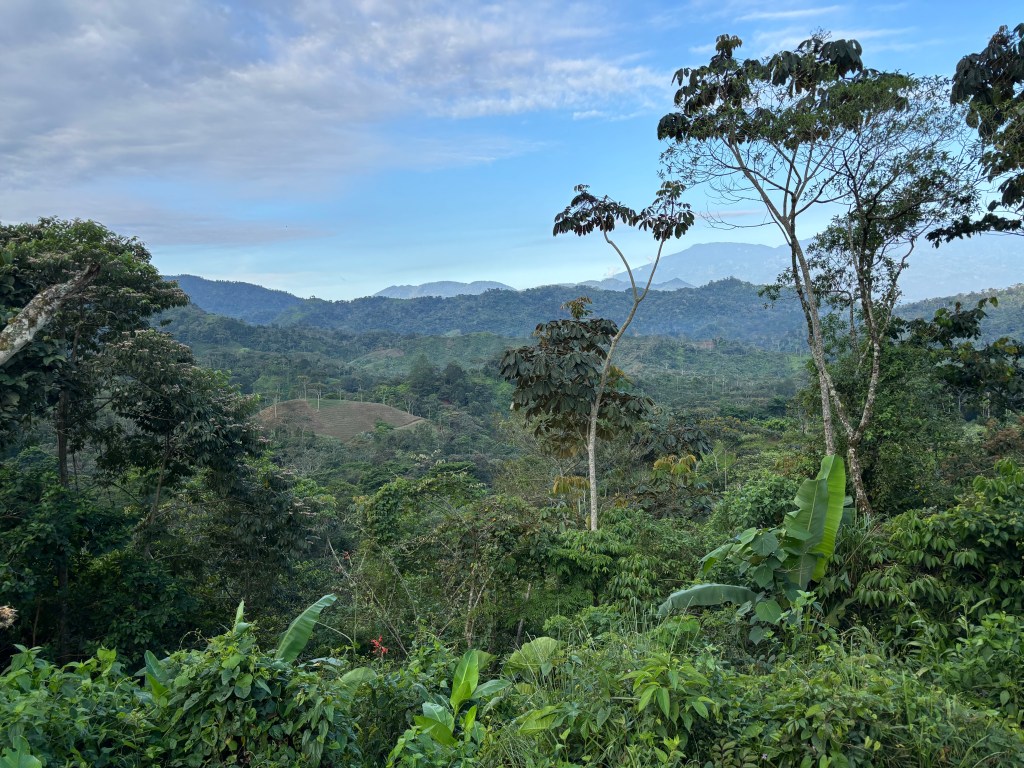
Honduras, the second-largest country in Central America, is a verdant haven, boasting lush greenery year-round. With a low population density and vast stretches of untouched land, it provides an ideal habitat for a diverse array of avian species. Geographically positioned at the heart of Central America, it showcases bird species found in both Costa Rica to the east and Guatemala to the west. Over 780 bird species have been recorded in this stunning country.
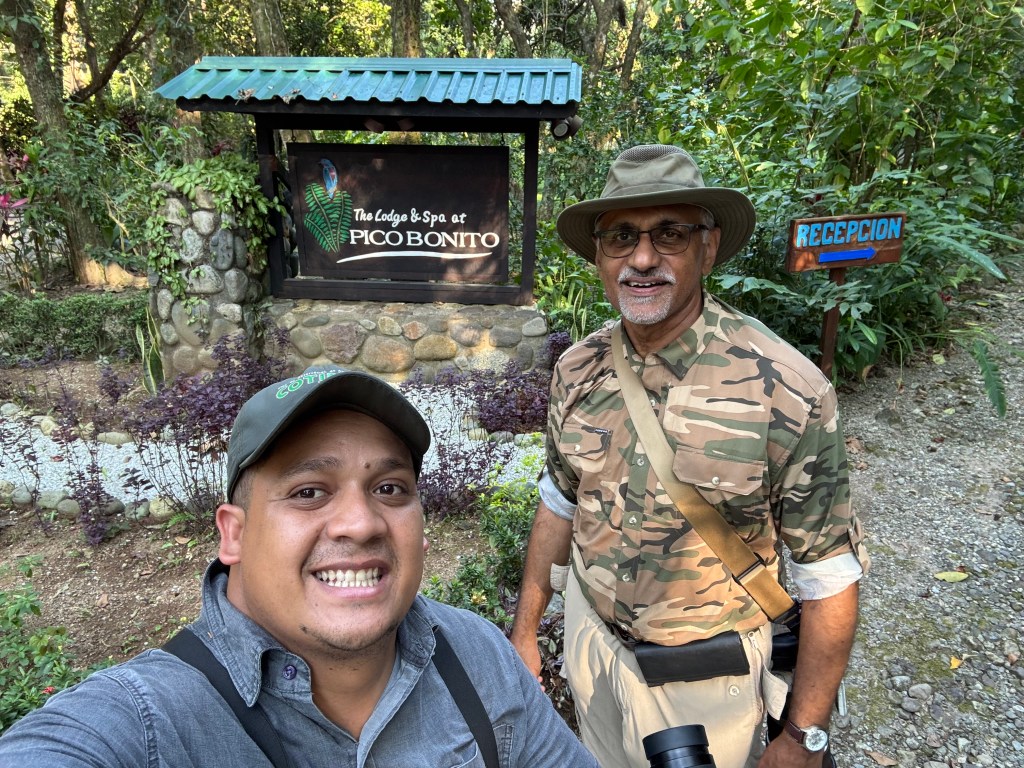
My journey to Honduras was seamlessly organized by Natural Selections Tours. I embarked on a 9-day adventure, flying from New Orleans (MSY) to San Pedro Sula (SAP) via Miami (MIA). Upon arrival, I was warmly greeted by my expert birding guide, Mr. Olbin Bejarano, at the airport. We immediately set off towards the lowlands, arriving in the vibrant city of La Ceiba. My accommodation was at the picturesque Lodge and Spa at Pico Bonito, nestled within the expansive Pico Bonito National Reserve. This lodge is a remarkable facility tailored for bird enthusiasts and photographers, featuring bird feeders and numerous forest trails. The cabin was spacious and well-appointed, complemented by delicious food and a scenic garden filled with birds and blossoms. The lodge staff were incredibly welcoming and attentive.
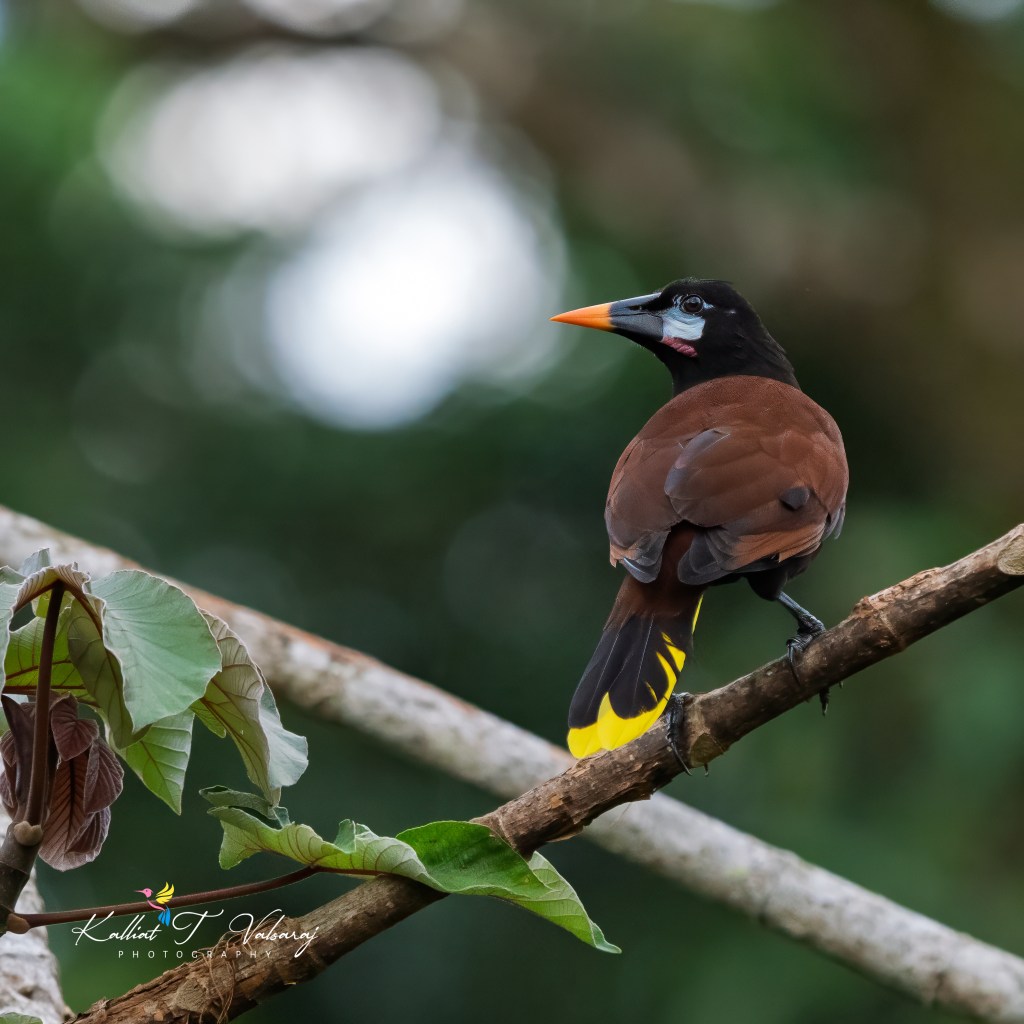
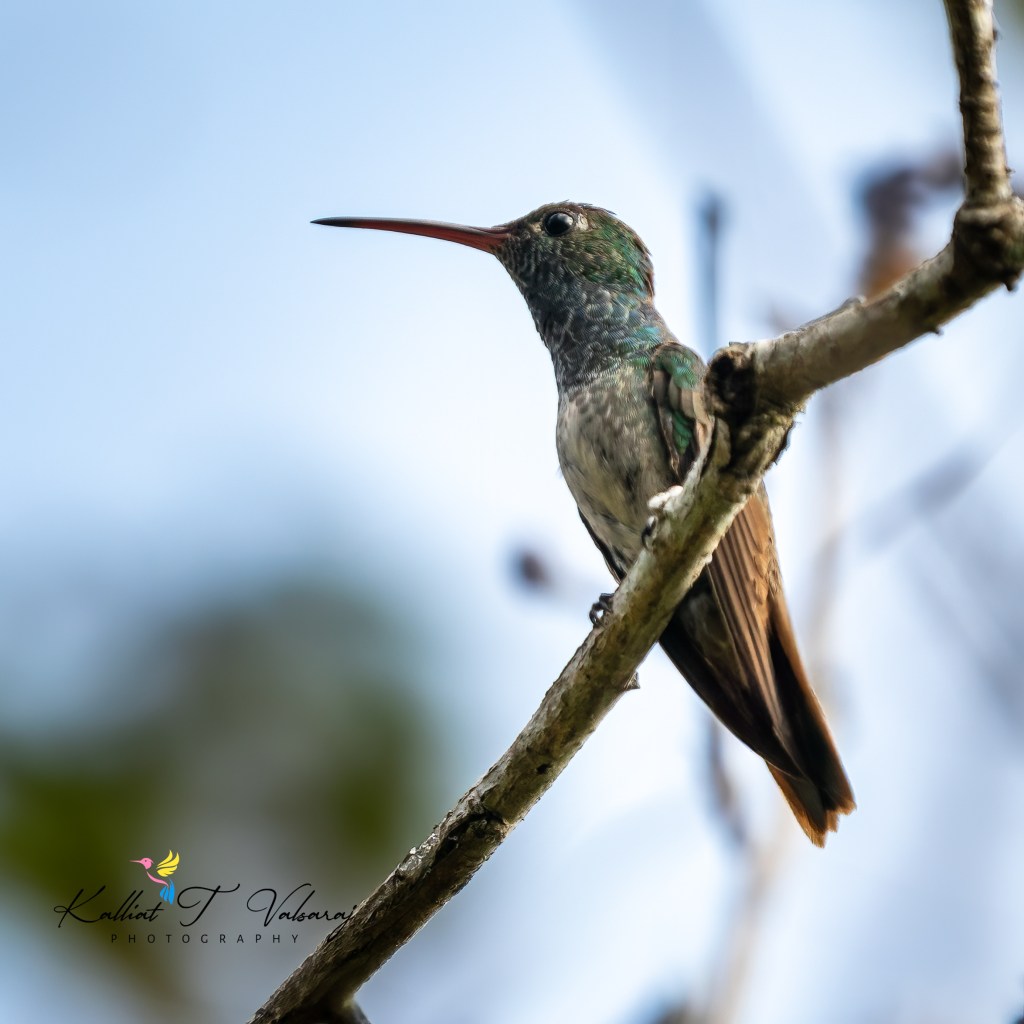
On the second day, we spent the morning near the feeders, where we were visited by a variety of birds, including the Collared Aracari, Montezuma’s Oropendola, Chestnut-headed Oropendola, Northern Waterthrush, and several hummingbird species such as the Crowned Woodnymph, Violet Sabrewing, Rufous-tailed, and White-necked Jacobin. We then ventured onto the forest trails leading to the lodge, where we encountered a chestnut-colored woodpecker, identifiable by its distinctive call. Three woodpeckers landed on a nearby tree, busily tapping for worms. The melodic call of a Slaty-tailed Trogon caught our attention, allowing us a delightful 15-minute view of its striking red belly and dark head feathers. We spotted several warblers flitting among the upper branches, and the Black and White Warbler provided a perfect photo opportunity. Shortly after, the Black-headed Trogon made an appearance, also posing beautifully for a photograph. We frequently observed a Social Flycatcher in the area, followed by a stunning Golden-hooded Tanager. The raucous calls of several Brown Jays echoed through the woods as they seemed to harass a bird of prey. By 11:30 AM, we returned to the lodge for lunch. As midday bird activity tends to dwindle, we took time to relax. Our next excursion began around 2:30 PM, leading us to the higher trails on the lodge’s property. Along the way, we spotted a pair of vibrant Lively Cotingas and a Crested Hawk Eagle on the lookout for prey. Lovely Cotinga is one of the endemic birds of Honduras and not so easy to photograph since they rarely come down from the height. As we descended, a Turquoise-browed Motmot entertained us with its beautiful vocalizations. After sunset, we gathered at the lodge to review our bird list and update eBird. A delightful dinner followed, and I retired to my room around 8 PM. After a refreshing shower and some reading, I drifted off to sleep.
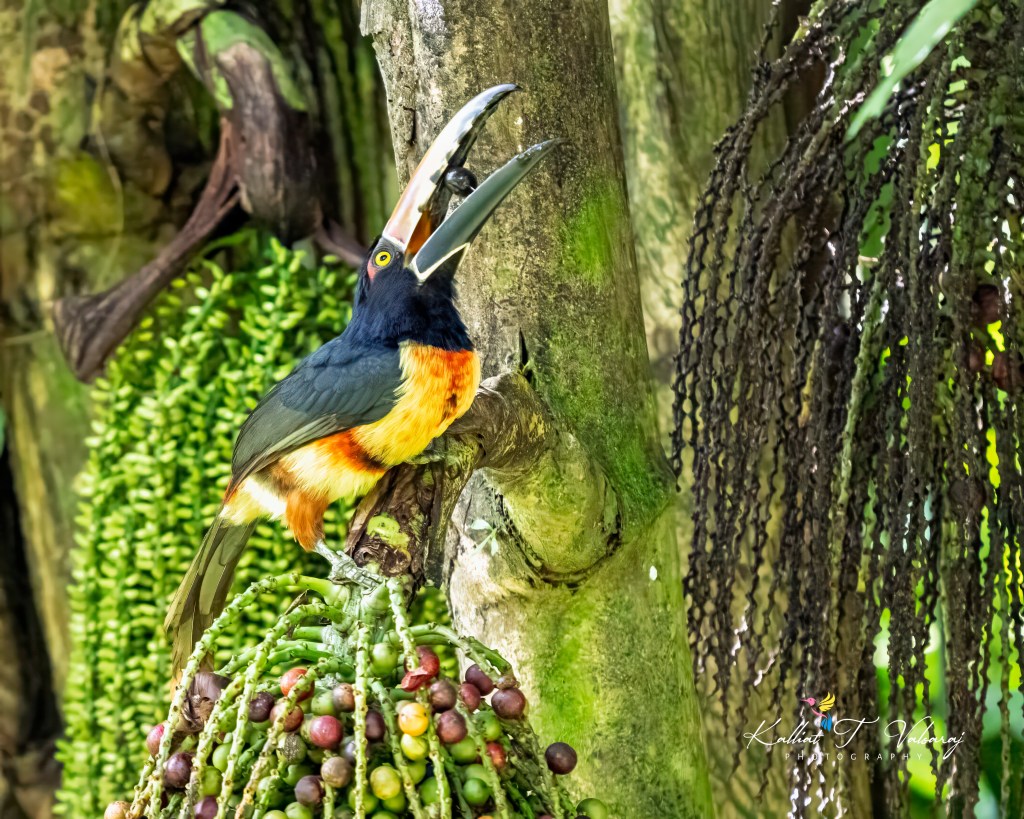

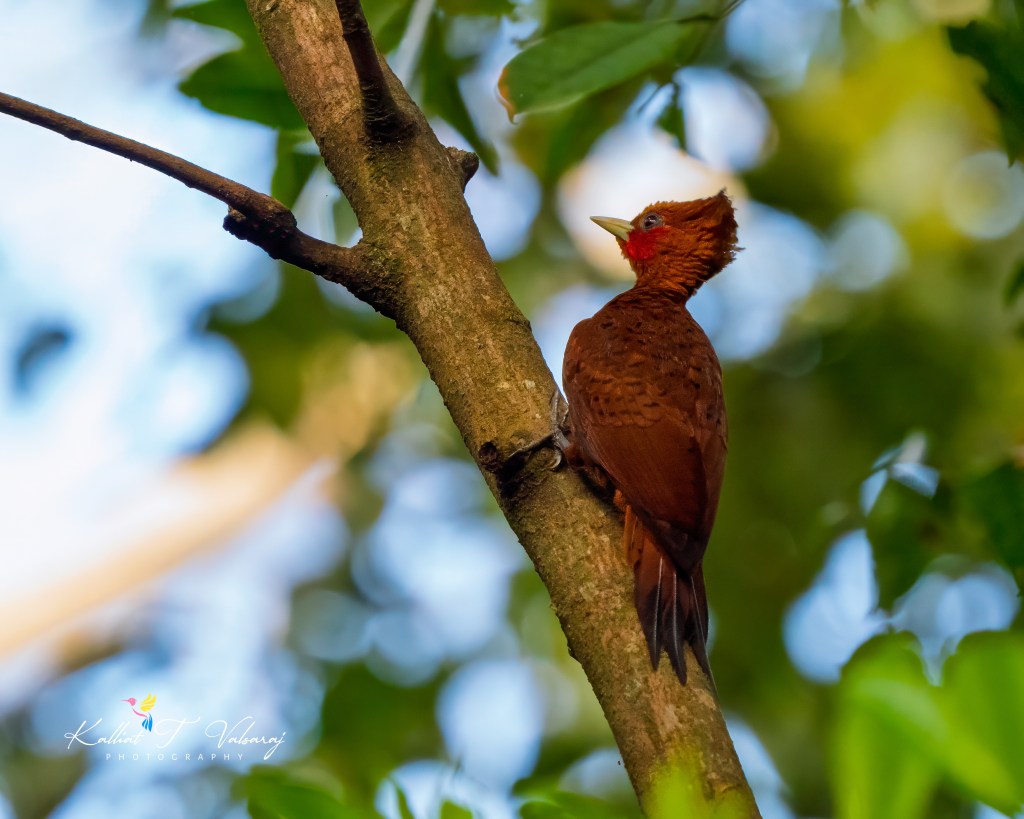
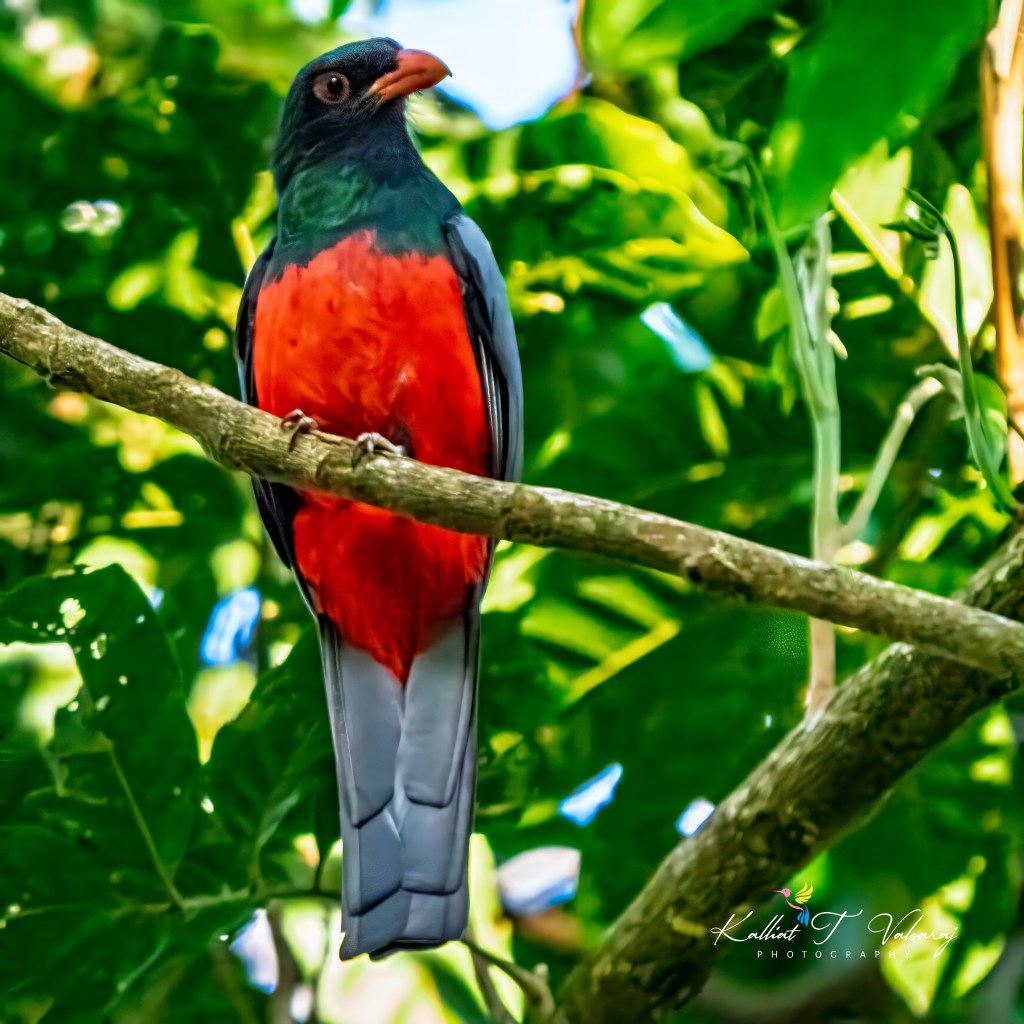

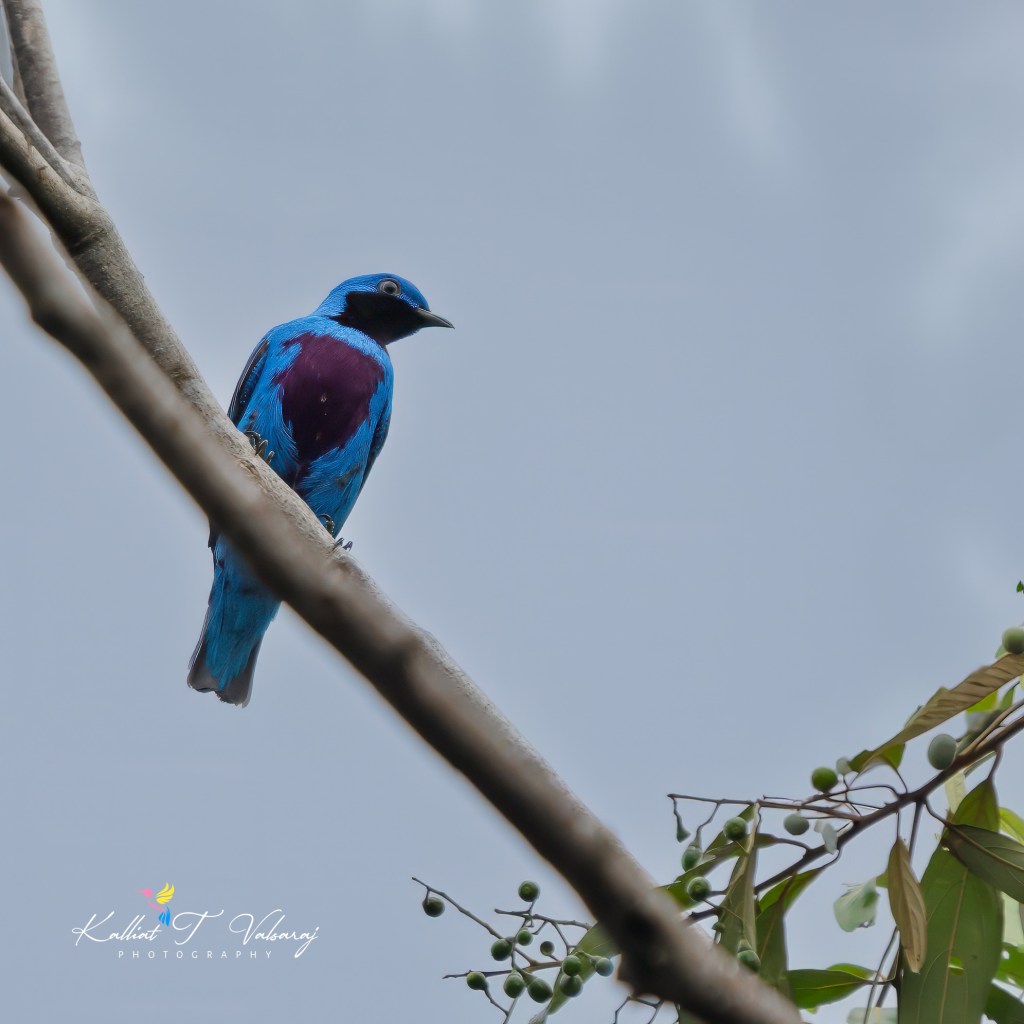
Day three commenced with an early breakfast at 6 AM, followed by a drive to the nearby Cuero y Salado Wildlife Refuge. Upon arrival, we boarded a boat to navigate the river. Along the banks, we observed a pair of stunning Turquoise-browed Motmots, along with an abundance of Amazon Kingfishers, American Pygmy Kingfishers, and Green Kingfishers. A Black-crowned Tityra was a highlight, perched in nearby trees. We spotted several roadside hawks and a Crane Hawk soaring above. In the mangrove forest, we encountered numerous Boat-billed Herons and their nests, as well as a beautiful Prothonotary Warbler among the low-hanging branches. After enjoying lunch at a nearby resort, we continued our birding along the riverbank, though no new species were identified. The day concluded with our return to Pico Bonito, where we savored another delightful dinner before retiring for the night.

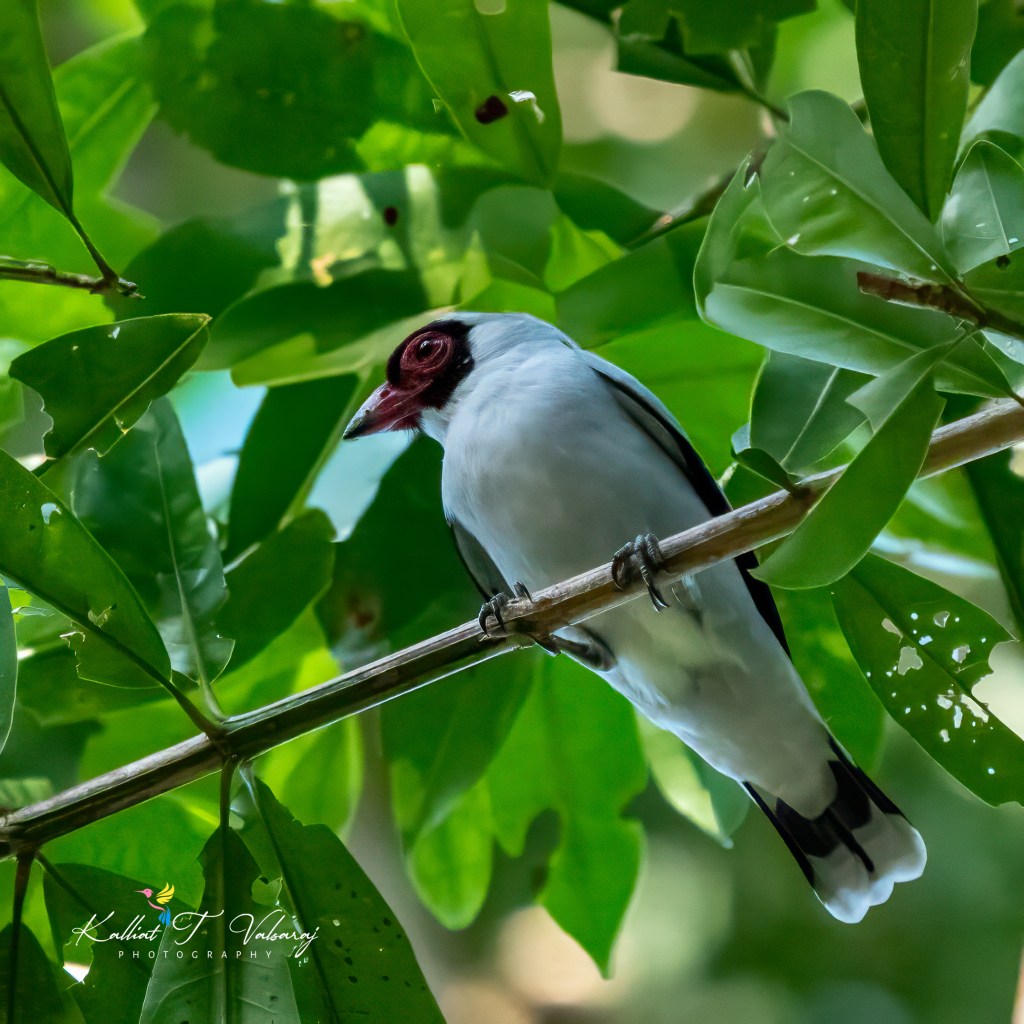
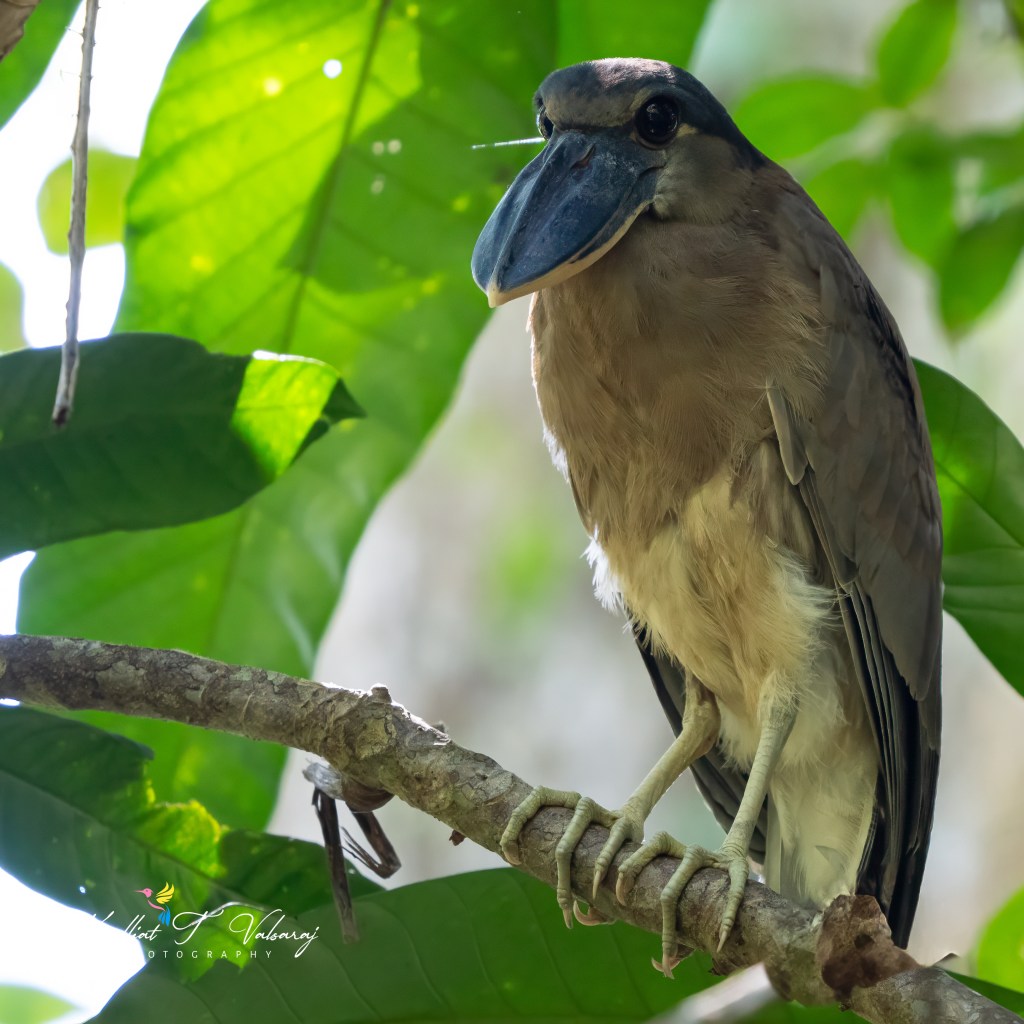
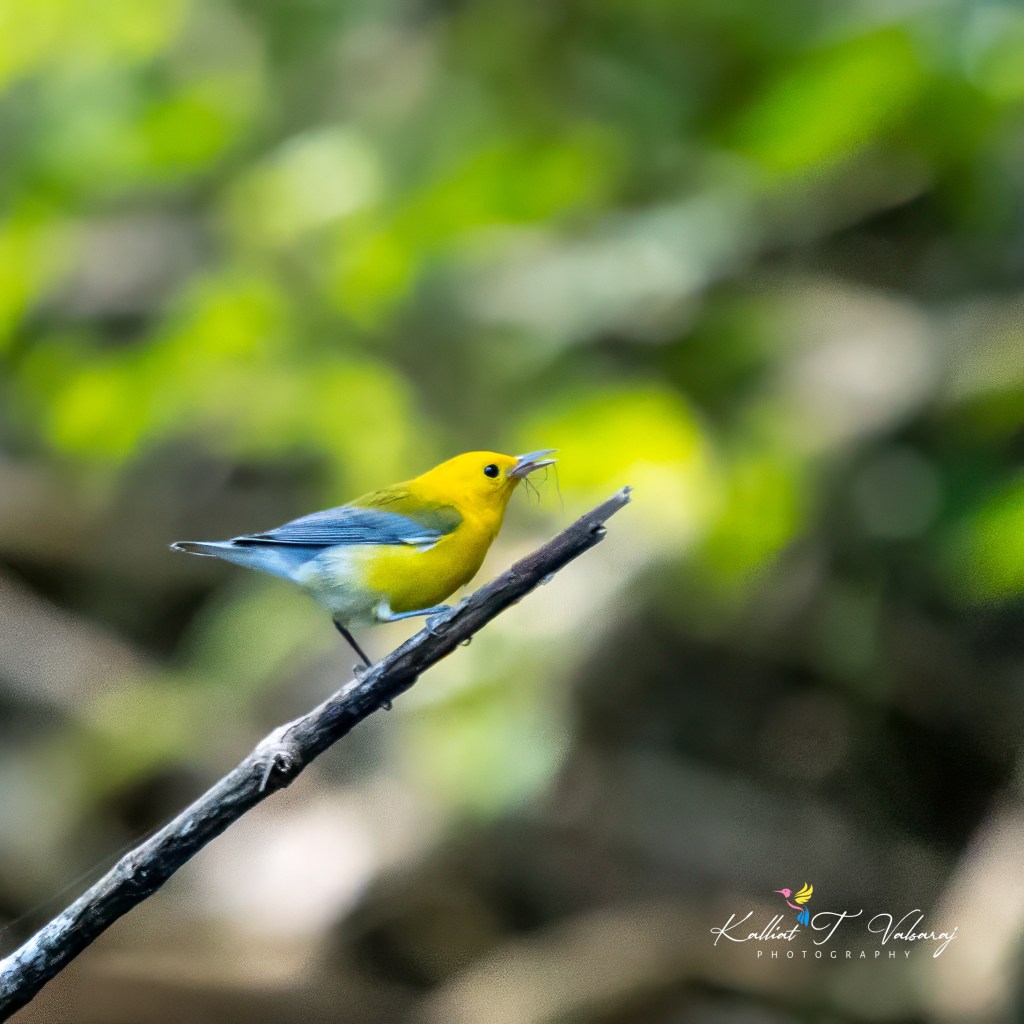
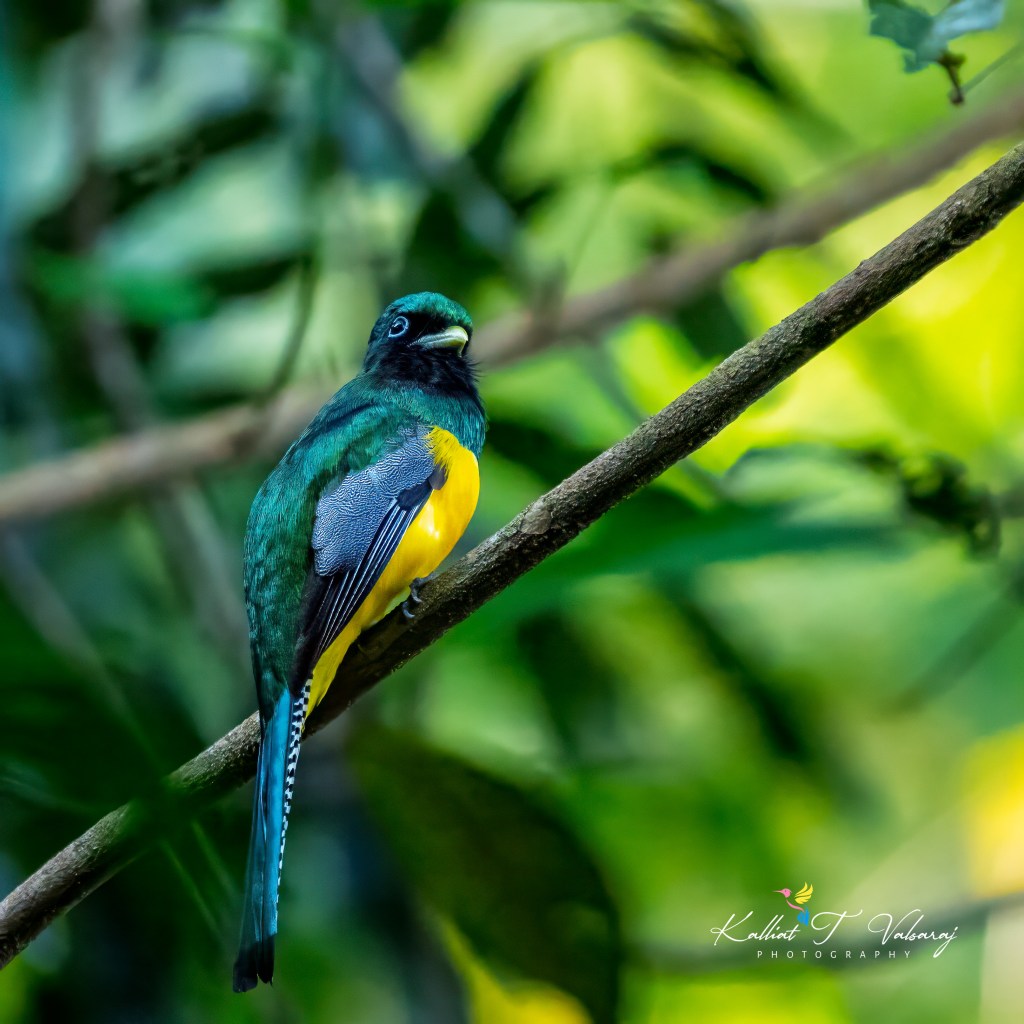
On the fourth day, we embarked on an extensive hike along the loop trail near the lodge, where we recorded 31 species in just three hours. Among them was the striking Northern Black-throated Trogon and a pair of elusive Tody Motmots, a rare sight in the dense woods. A White-necked Puffbird sang from the top of a tall tree, and a Northern Emerald Toucanet lingered nearby, providing a perfect opportunity for photographs. We were thrilled to find a pair of White-collared Manakins, and a White Hawk graced the viewing platform along our route, offering an excellent viewing opportunity. We also spotted several Woodcreepers (Tawny-winged and Cocoa) and six types of hummingbirds. The Red-crowned Ant Tanager was another noteworthy sighting. In the afternoon, we hiked along the lower part of the resort, observing 20 species, including several warblers still migrating towards North America.
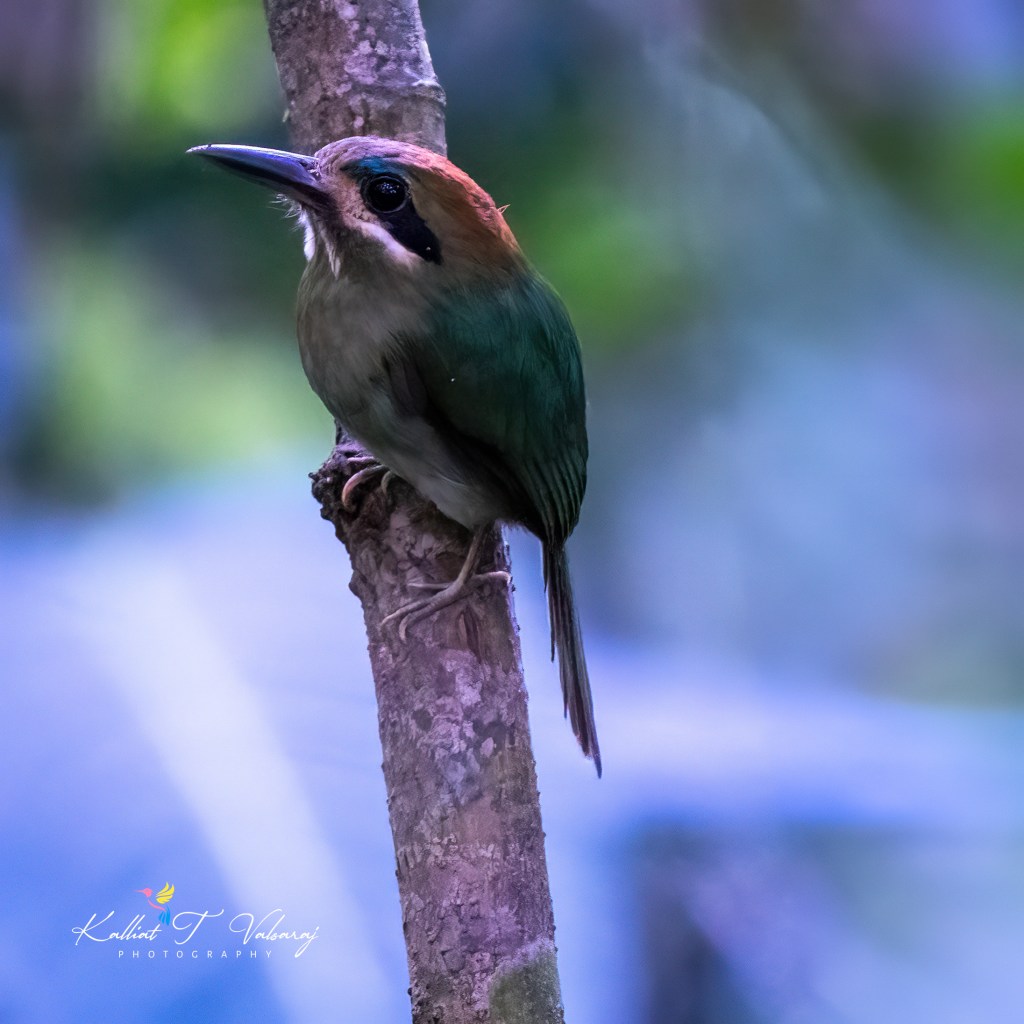
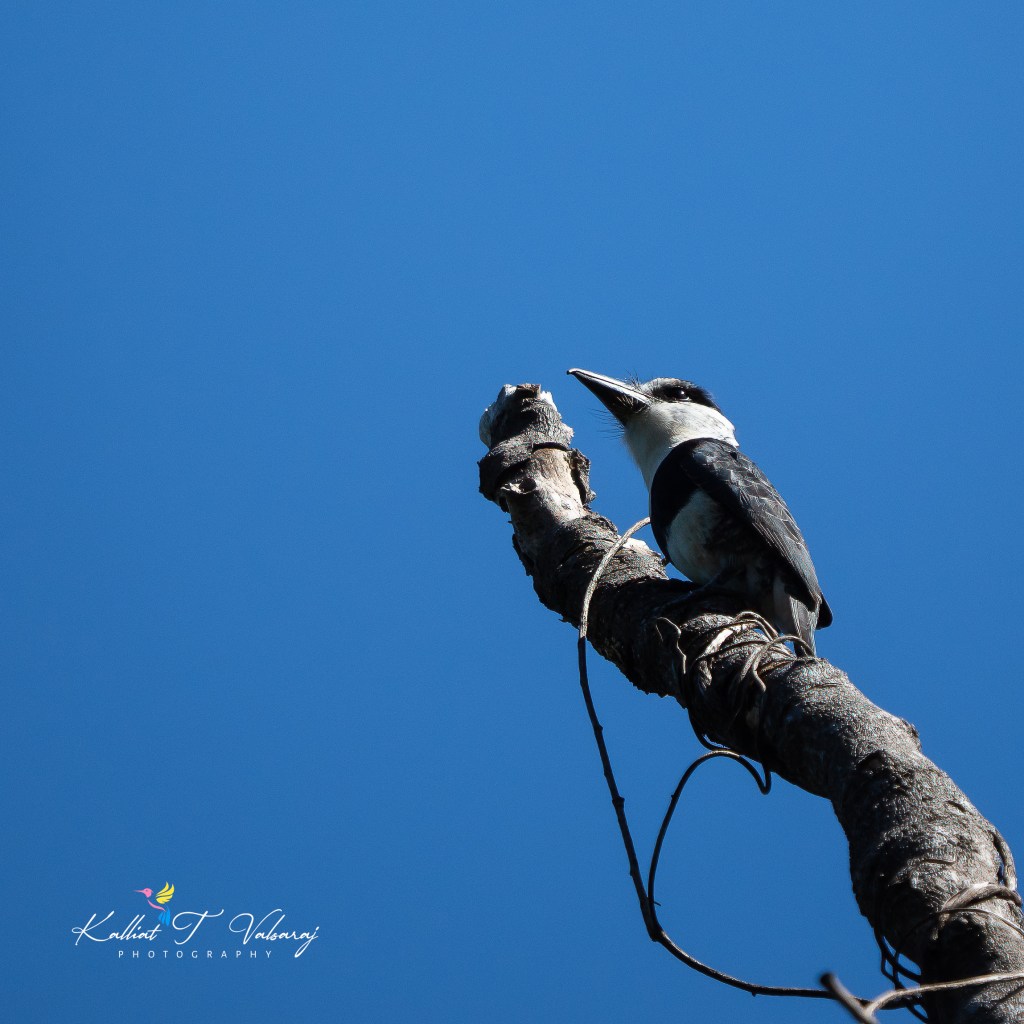
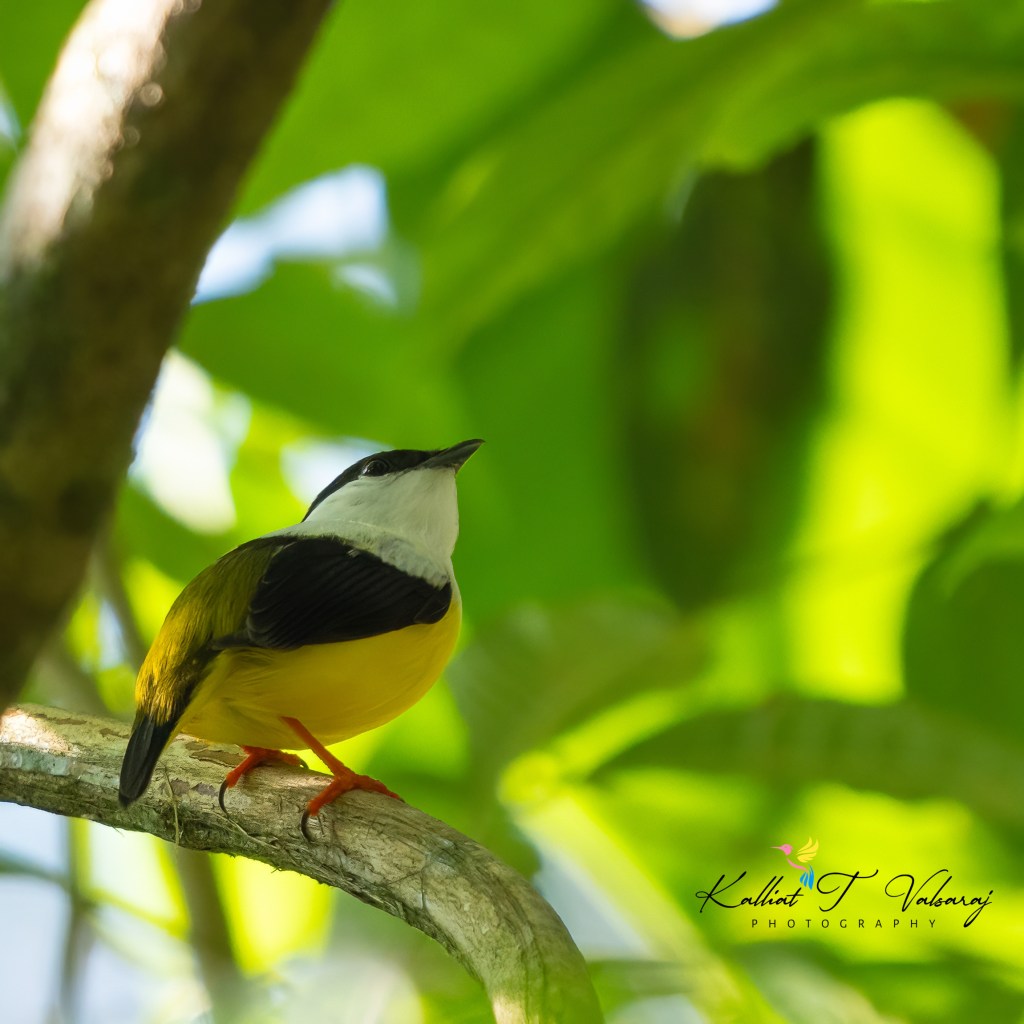
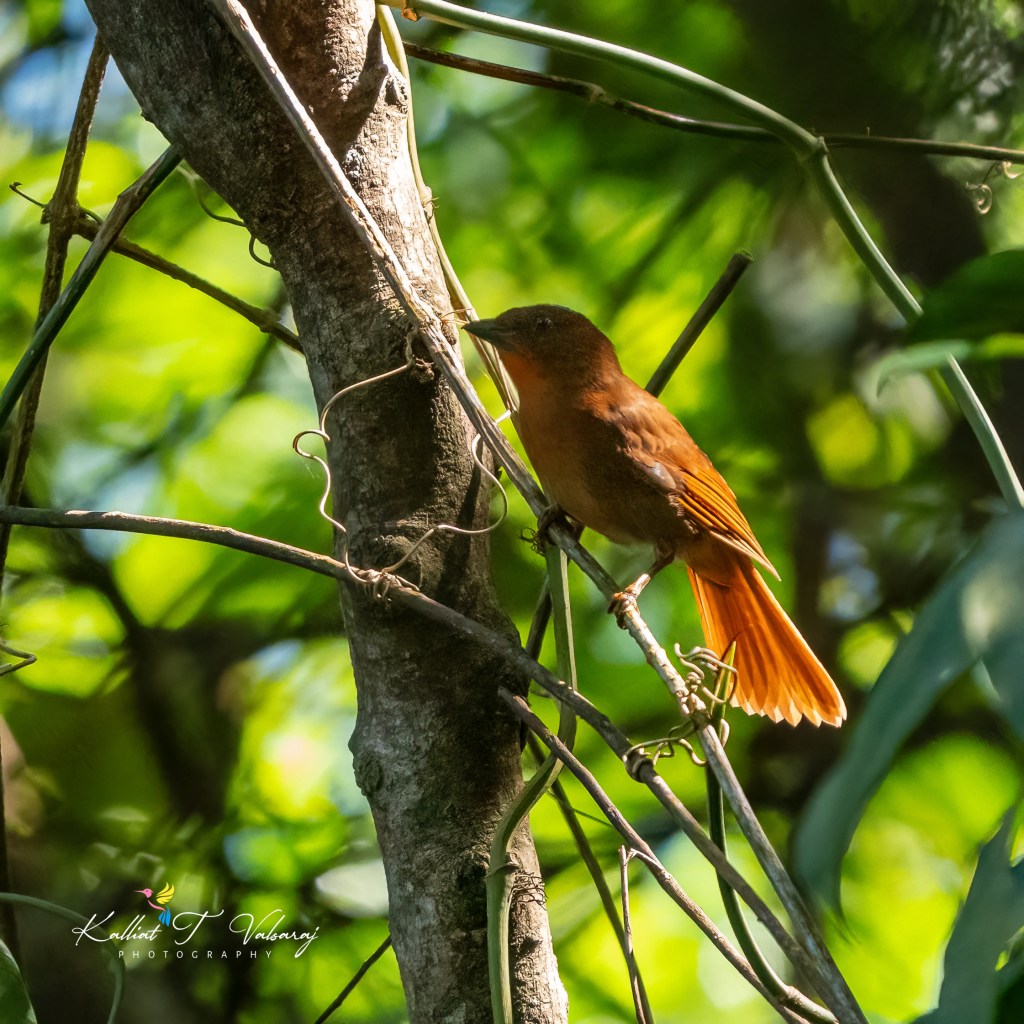
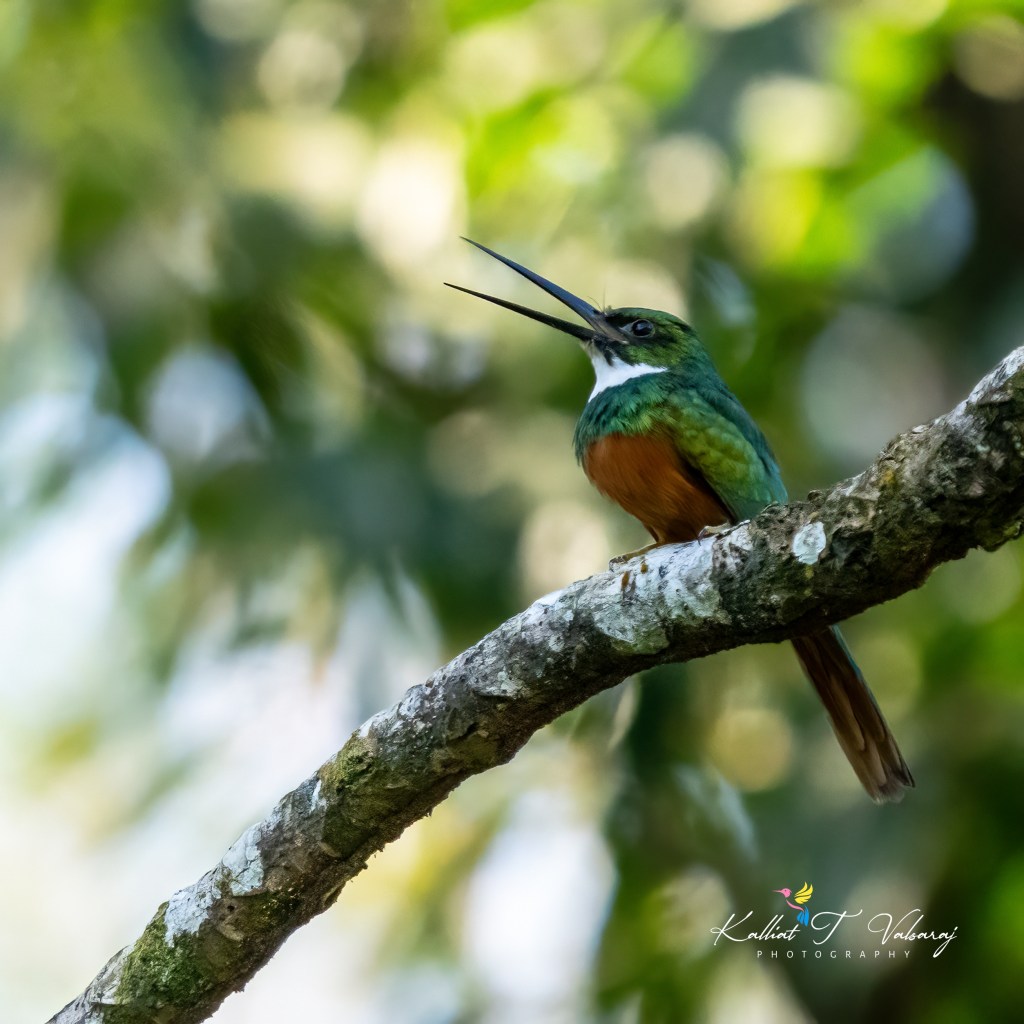
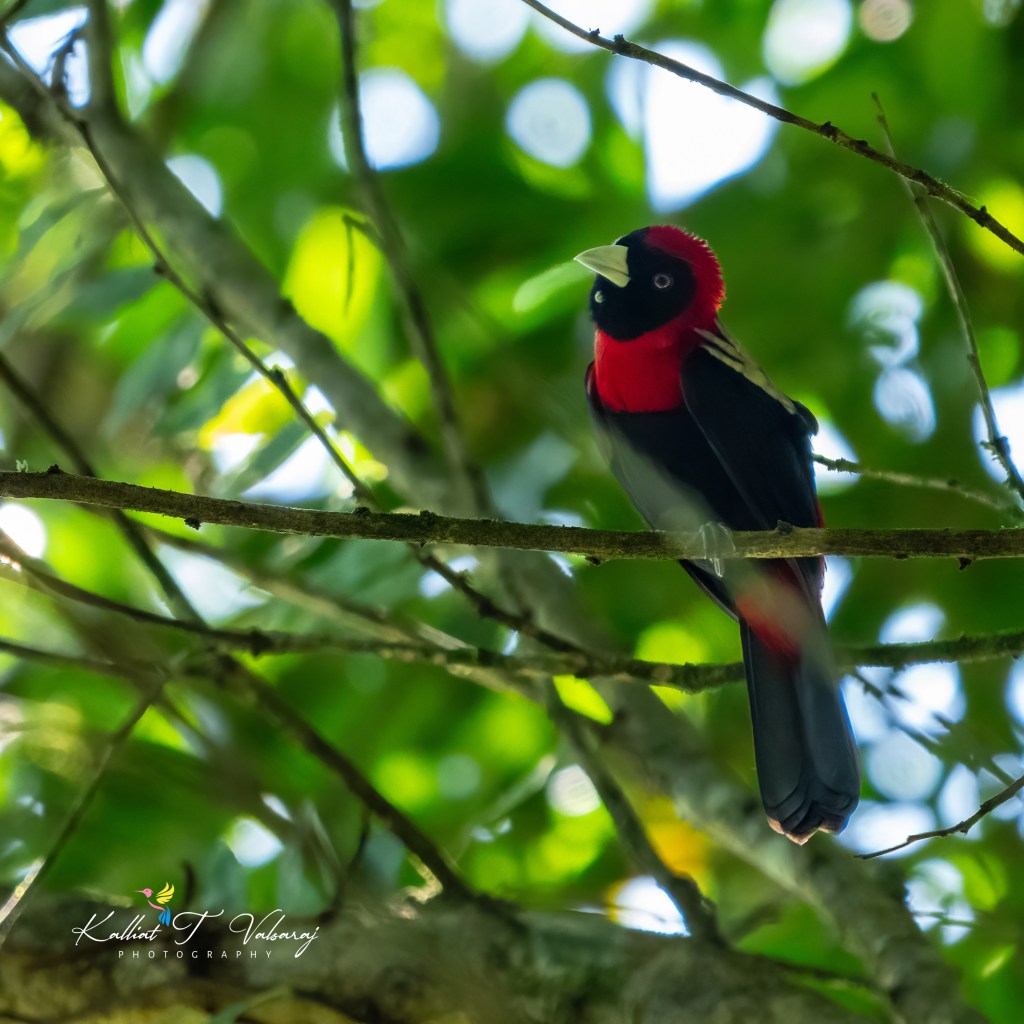
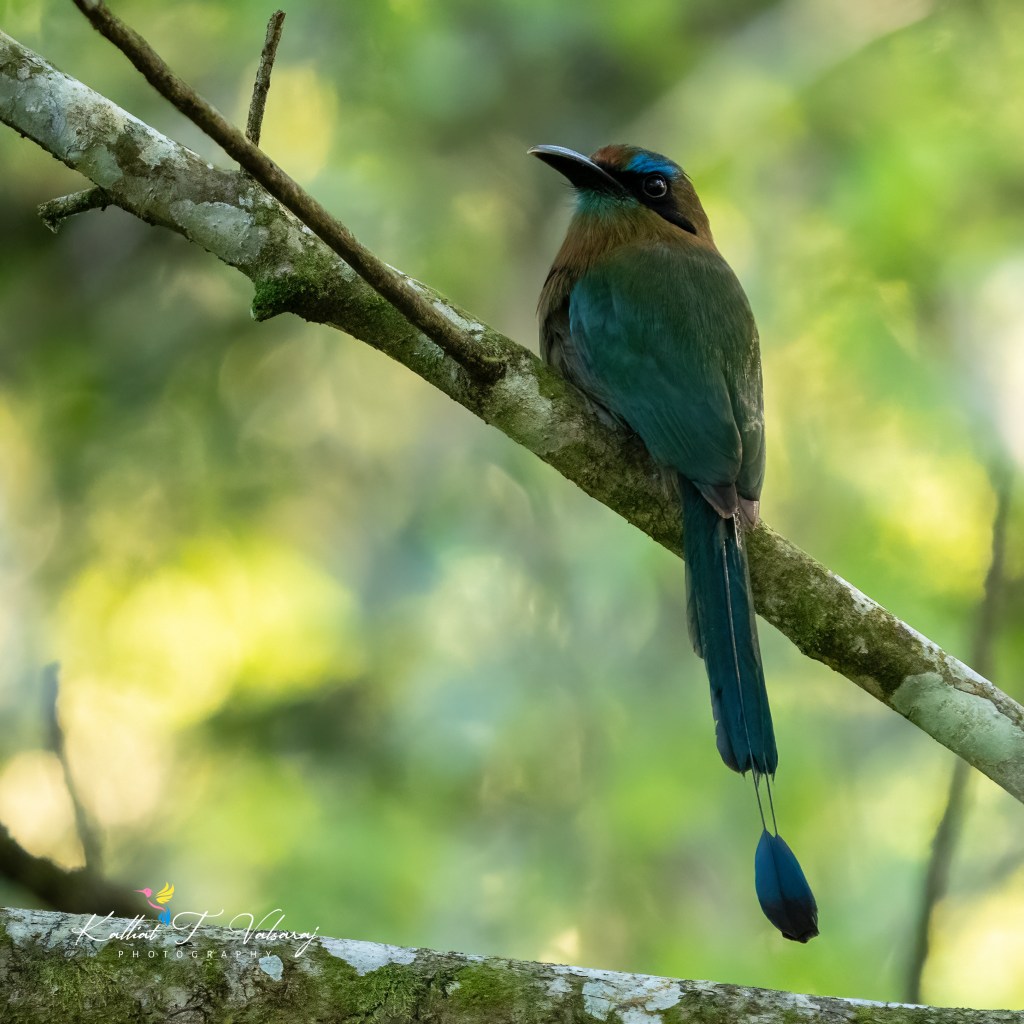
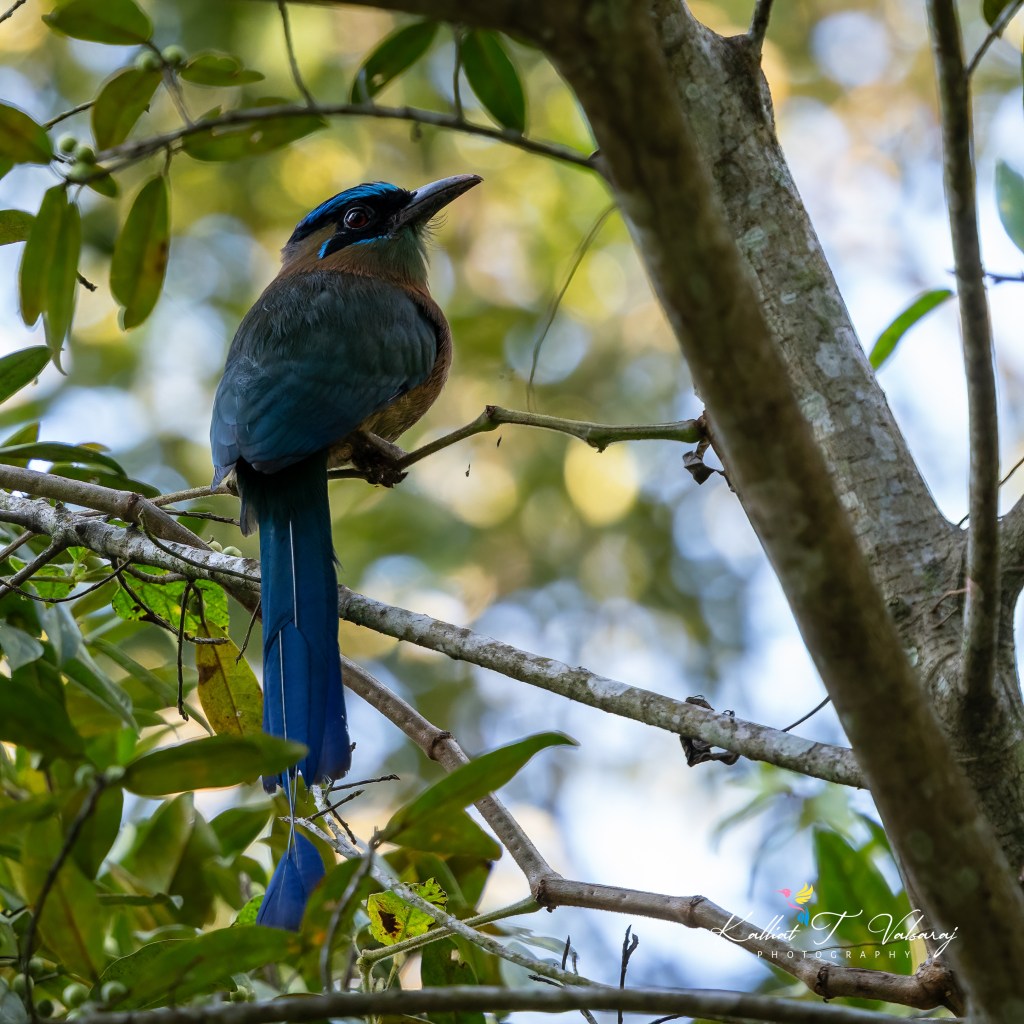
On day five, we checked out of Pico Bonito and set off for Panacam Lodge. Our first stop was the beautiful Lancetilla Botanical Garden, where we identified 54 species. A pair of Rufous-tailed Jacamars were particularly special, posing for photographs. We observed three types of woodpeckers (Smoky Brown, Golden-fronted, and Streak-headed) in the forest. The bamboo garden revealed rare species such as the Slate-colored Seedeater, Red-throated Ant Tanager, Crimson-collared Tanager, and Great Antshrike. Morelet’s Seedeaters were abundant, feasting on seeds in the grass. Upon reaching Panacam Lodge in the afternoon, we were delighted to see the vulnerable Keel-billed Motmot perched in a nearby tree, along with a Gray-chested Dove and a Lesson’s Motmot making appearances before nightfall. Keel-billed Motmot is an endemic species that is also considered Vulnerable by the IUCN. After a hearty dinner, we settled into our rooms, readying ourselves for the next day’s adventures.
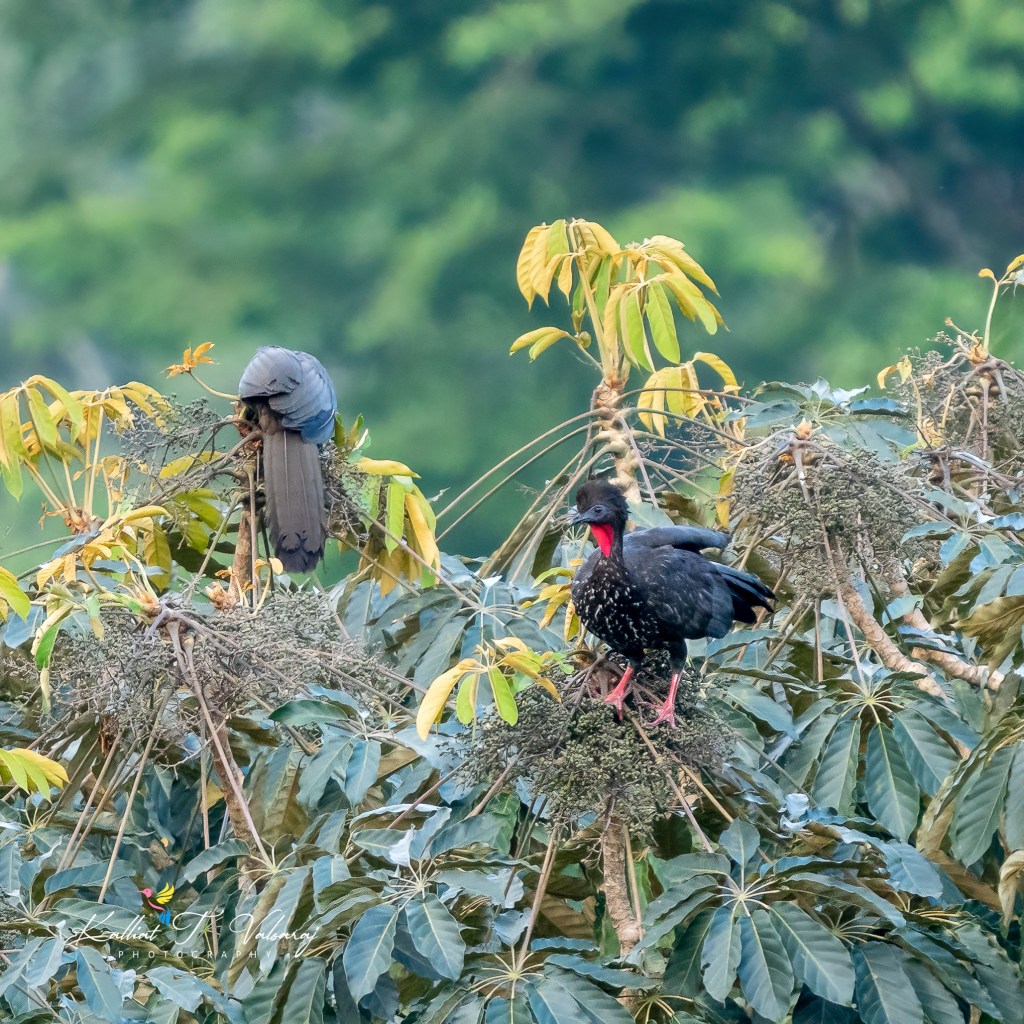
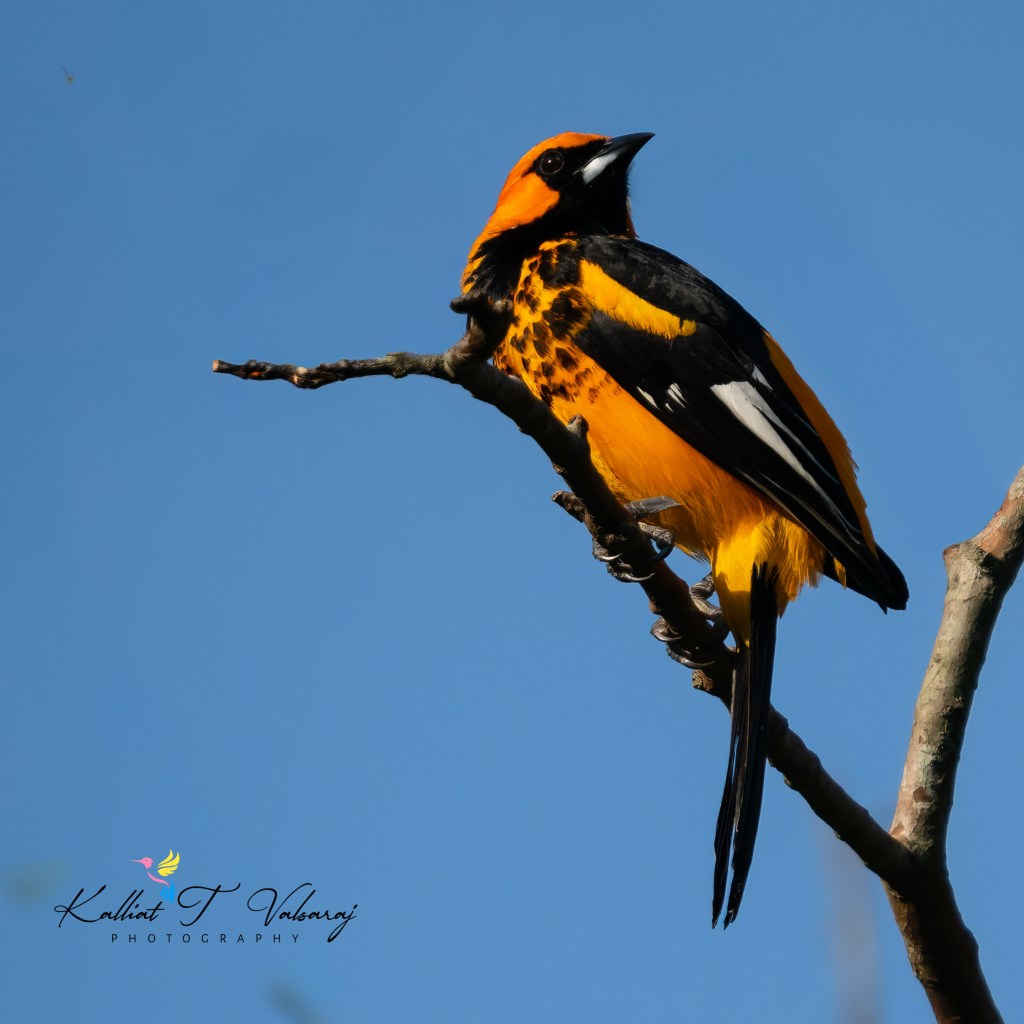
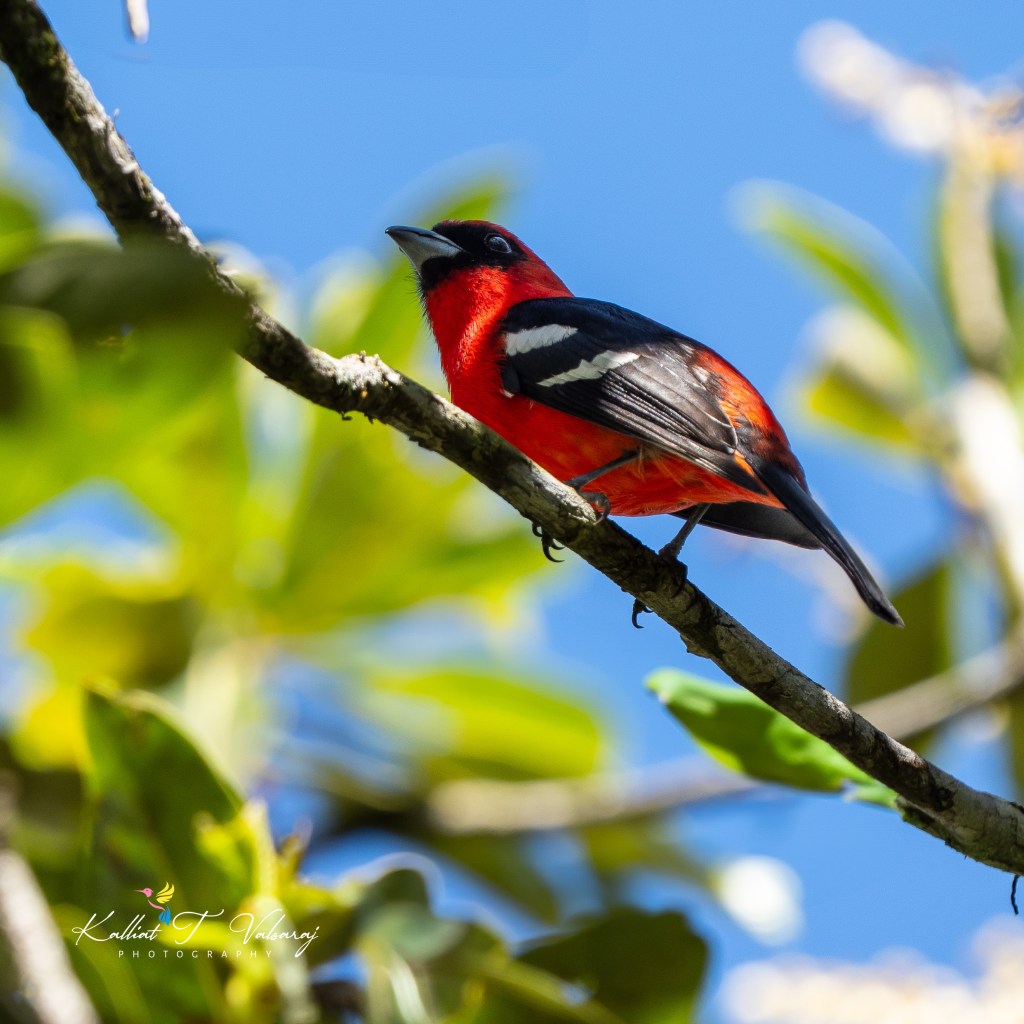
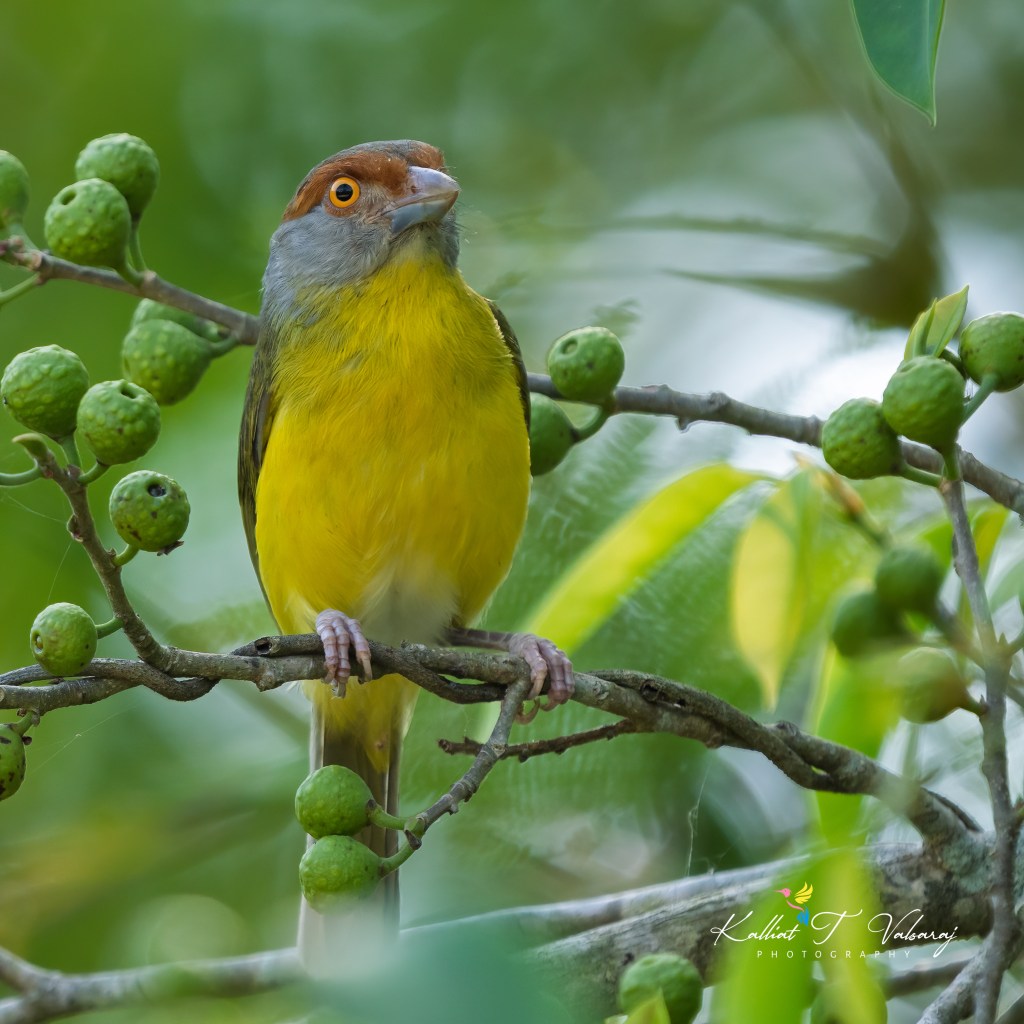
Day six was spent birding in the Cerro Azul Meambar area, where we recorded 57 species. We spotted three Crested Guans feasting on fruits, along with a Collared Forest Falcon and a Barred Antshrike. A Spot-breasted Wren, several warblers, and tanagers (White-winged Tanager in particular) filled the trees, while Variable Seedeaters and Black-headed Saltators were also seen. The Cinnamon Hummingbird was another highlight of the day. We watched several Snail Kites fishing in the river for mollusks and snails, and a Rufous-browed Peppershrike provided excellent photographic opportunities. Slot-breasted Orioles were feasting on fruits in nearby trees, posing beautifully for photographers. A Boat-billed Flycatcher was also spotted above us. The long drive back to the lodge offered a welcome respite from the heat and humidity. We spent the evening on the lodge deck, enjoying the sunset and the lively antics of the hummingbirds at the feeders.


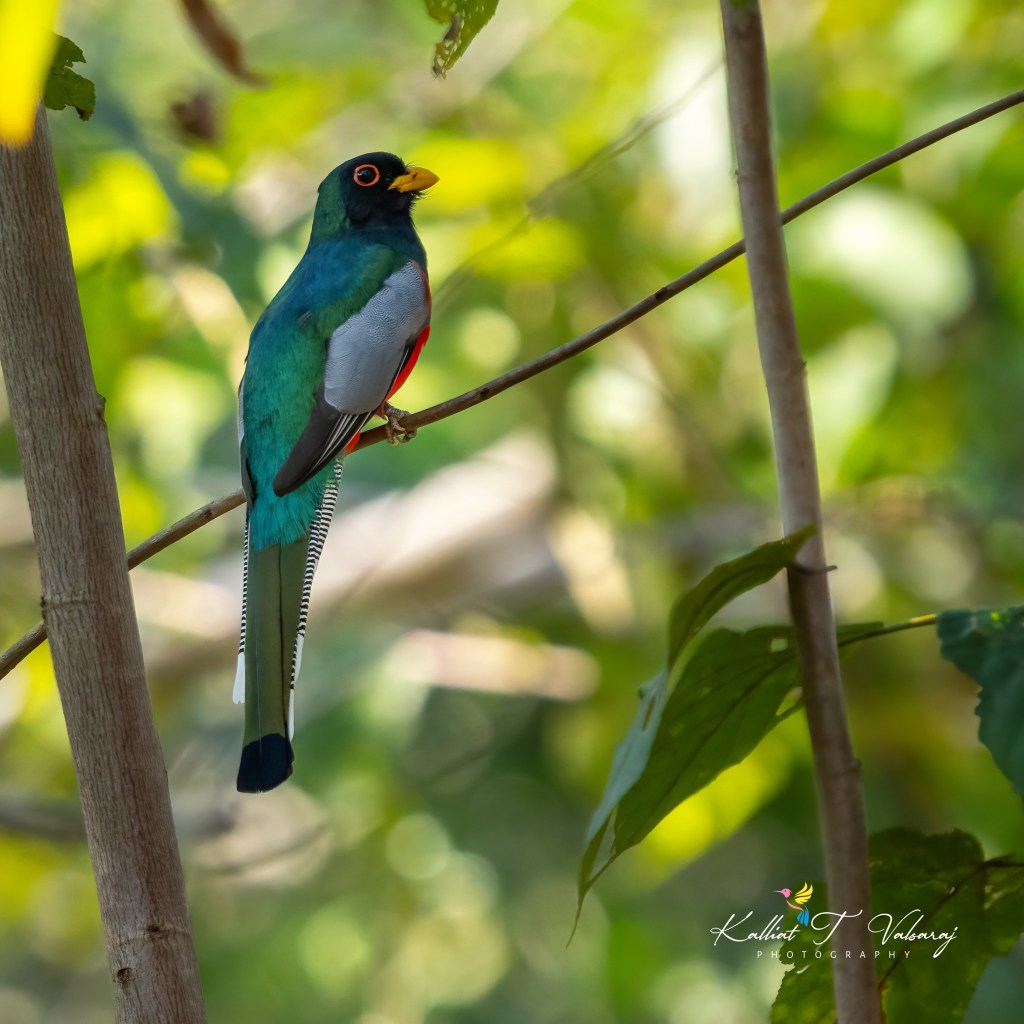
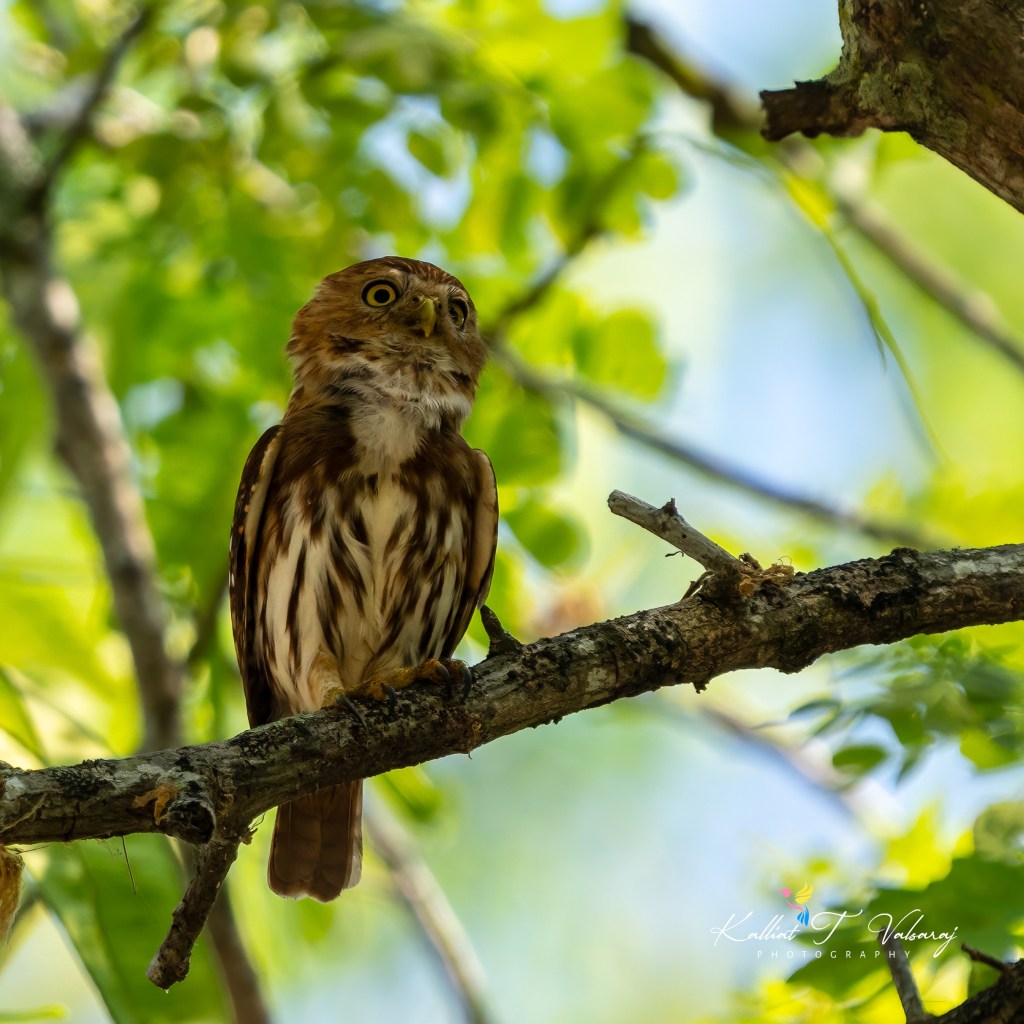
On day seven, we ventured to the El Cajon Reservoir, stopping en route at a dry forest habitat where the endangered Honduran Emerald Hummingbird resides. It was a joy to observe this rare and endangered species in its natural setting, and we captured several images of its vibrant plumage and the unique flowers from which it derives nectar. Honduran Emerald was said to be extinct until it was seen in 1988 in the Aguan Valley of the Yoro Department. It is on the Endangered species list of the IUCN. Next, we explored the habitat of the Elegant Trogon and were fortunate to spot a pair in the trees above. Several Rose-throated Becards were seen building nests along the riverside, and a Ferruginous Pygmy Owl provided excellent photographic opportunities. After lunch at a nearby El Rancho, we continued our birding in the vicinity of Lake Yojoa, where we found several shorebirds, warblers, and tanagers.

On March 9th, we departed early for the San Pedro Sula airport, heading back to New Orleans via Miami.

This trip was an incredible opportunity to observe 214 of the 780+ species that inhabit the diverse ecosystems of Honduras. It allowed us to appreciate the country’s breathtaking natural beauty and the warm hospitality of its people. Our guide, Mr. Olbin Bejarano, and Natural Selections Tours provided unparalleled support, ensuring that we experienced every opportunity to see the avian species in their natural habitats. Honduras can boast of the highest variety of Meso-American endemics due to its prime location as the bridge between North and South America. The variety of habitats (lowland rainforest, cloud forest, wetlands, marshes, mangrove forests, coastal habitats and, pine-oak woodlands) makes the country a very interesting region for birdwatchers from all over the world. The unexplored regions of the country such as the Amazon rainforests of La Mosquitia, which is a designated UNESCO World Heritage site, provides ample opportunities for thrill seekers and nature enthusiasts from other regions of the world. Numerous rivers, lakes and forests are begging to be explored for its avian diversity.
Thank you for watching this video! If you haven’t yet subscribed to my channel, please consider giving this video a thumbs up and subscribing so I can share more exciting birding adventures with you.
 Wild Trails Photography