In this narrative, I’ll share the details of my recent adventure to the Galápagos Islands, retracing the steps of Charles Darwin, whose explorations two centuries ago greatly influenced his theories on evolution and the origin of species.
On April 8, 2025, I departed from New Orleans, making my way to Miami to catch a flight to Quito. Unfortunately, my journey was marred by several delays caused by inclement weather in Miami. After much waiting, I finally boarded the last flight to Quito, arriving just past midnight. Upon landing, I was greeted by a representative from Orbridge Travels, who was coordinating this trip for the Vanderbilt University alumni association.
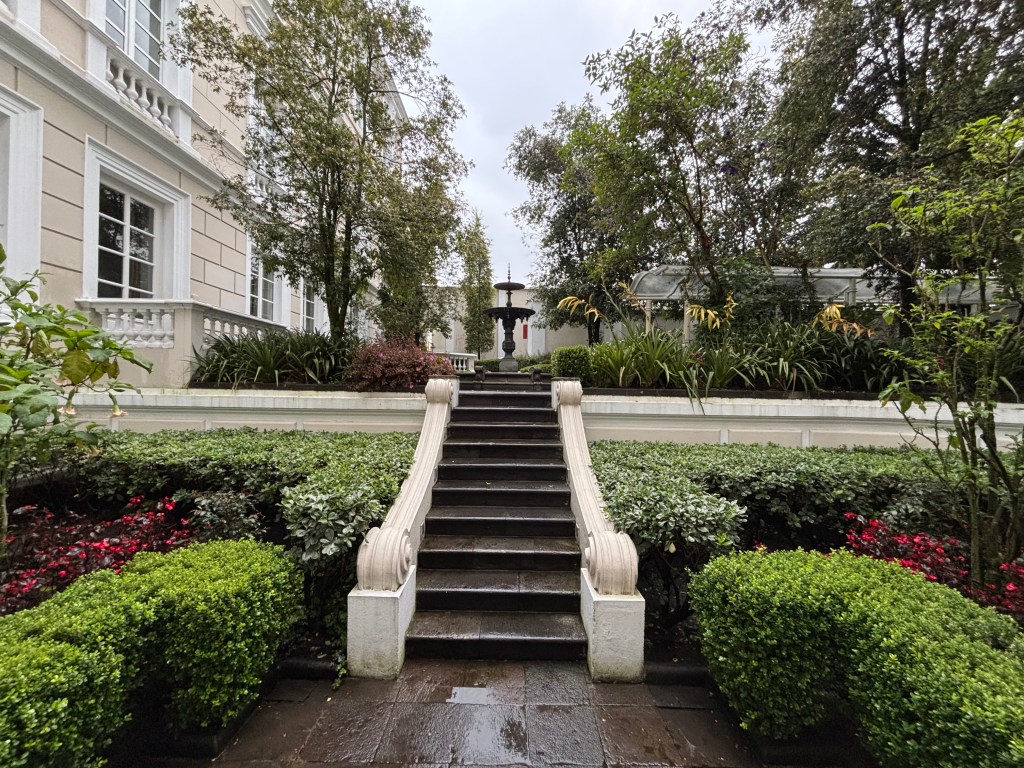
Quito, Ecuador’s capital, is situated at an elevation of 9,350 feet, making it the highest national capital in the world. With a population of 2.3 million, it is a vibrant city that attracts tourists from around the globe.
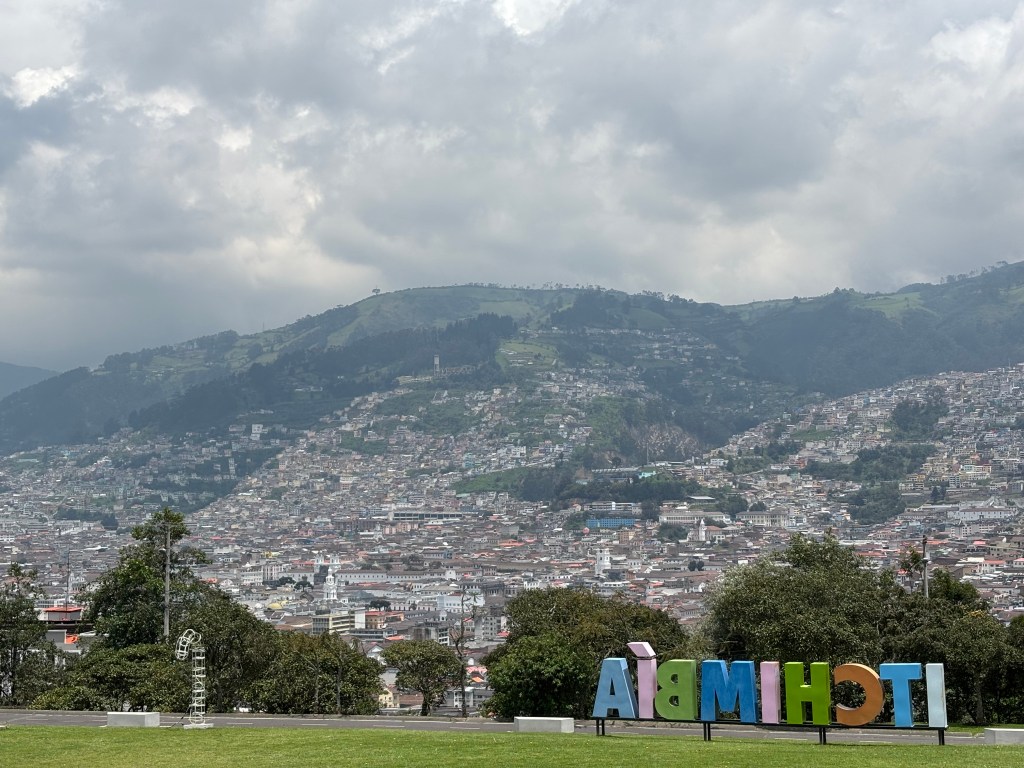
The following morning, April 9, we enjoyed a delightful breakfast at Casa Gangotena, a luxurious five-star hotel, before meeting with our Orbridge guides. We embarked on a bus tour around Quito, starting at a bustling market filled with vendors selling various goods, from fresh produce to traditional medicines. The lively atmosphere of the local bank and cafes added to the excitement. Our next stop featured skilled artisans restoring antiquities, followed by a visit to a laboratory where individuals were cleansing themselves in herbal baths. We then marveled at the Golden Cathedral, a magnificent Jesuit church constructed over 165 years and now recognized as a UNESCO World Heritage site, thanks to extensive restorations in the 1980s. Our guide detailed the history of the Spanish conquistadors, particularly Pizarro’s brutal campaign against the last Inca ruler, which ultimately led to the Spanish Empire’s dominion over the land. The church’s superb architecture showcased a stunning blend of neo-classical and baroque elements, while the intricate gold leaf restorations captivated all who entered. We concluded our tour at a scenic viewpoint offering breathtaking vistas of Quito and the surrounding Andes mountains, complete with a striking statue of the Virgin Mary. Our day ended with a visit to an authentic Ecuadorian chocolate factory, where we learned about high-quality chocolate production and enjoyed samples freshly made before our eyes.
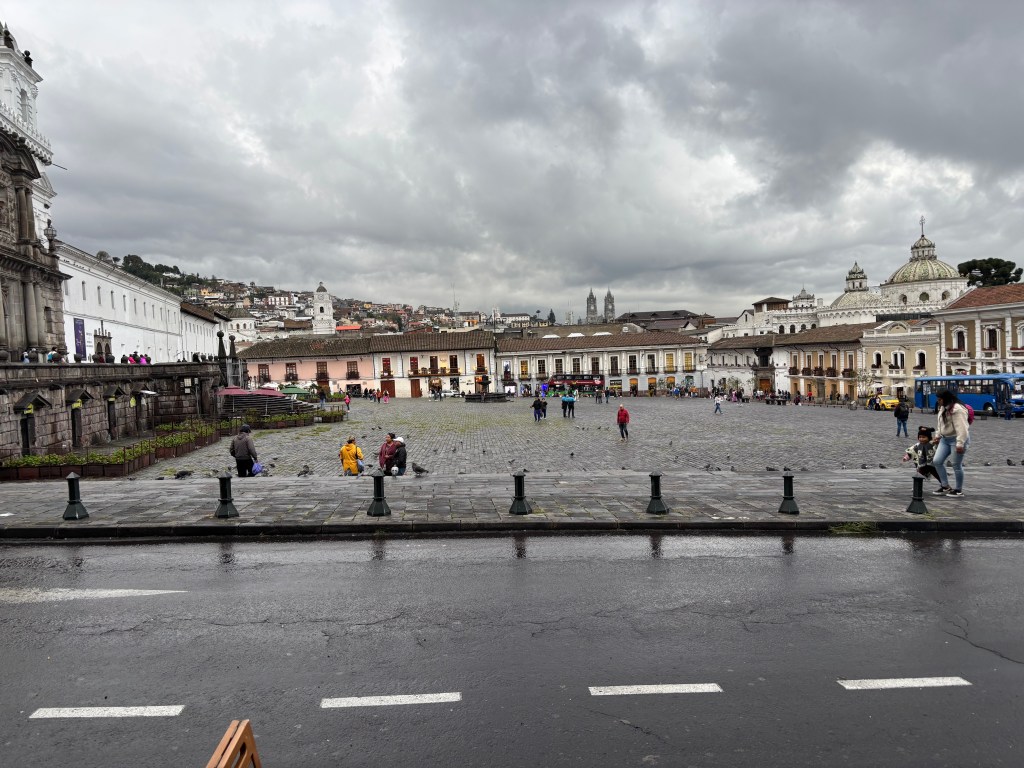

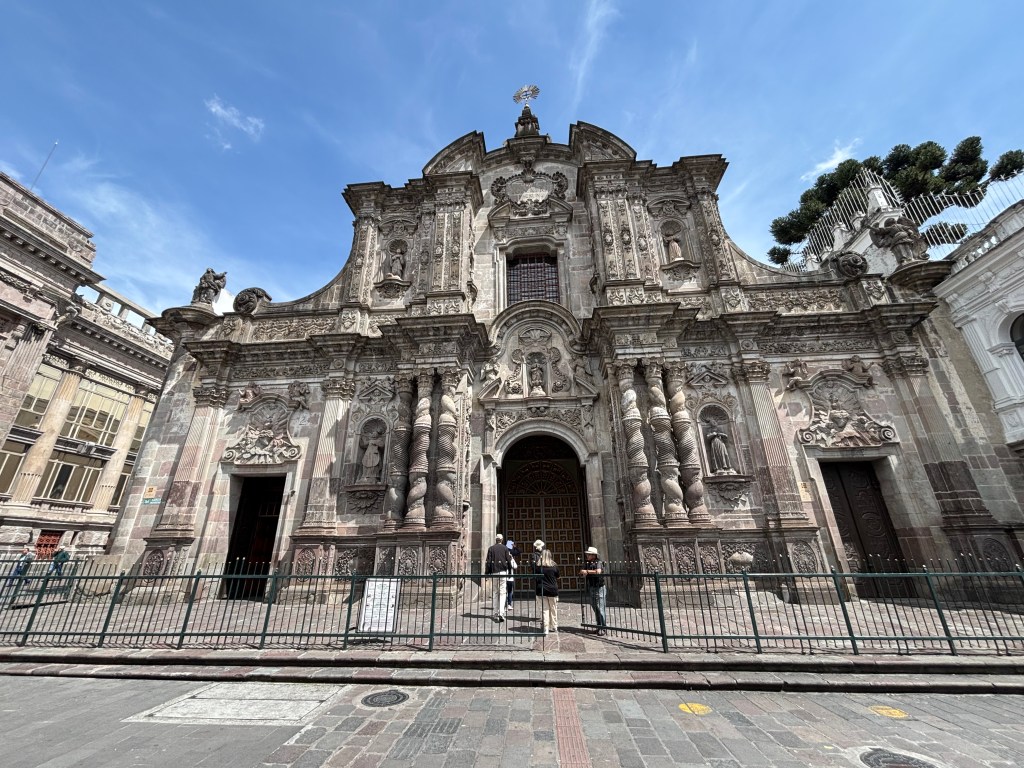
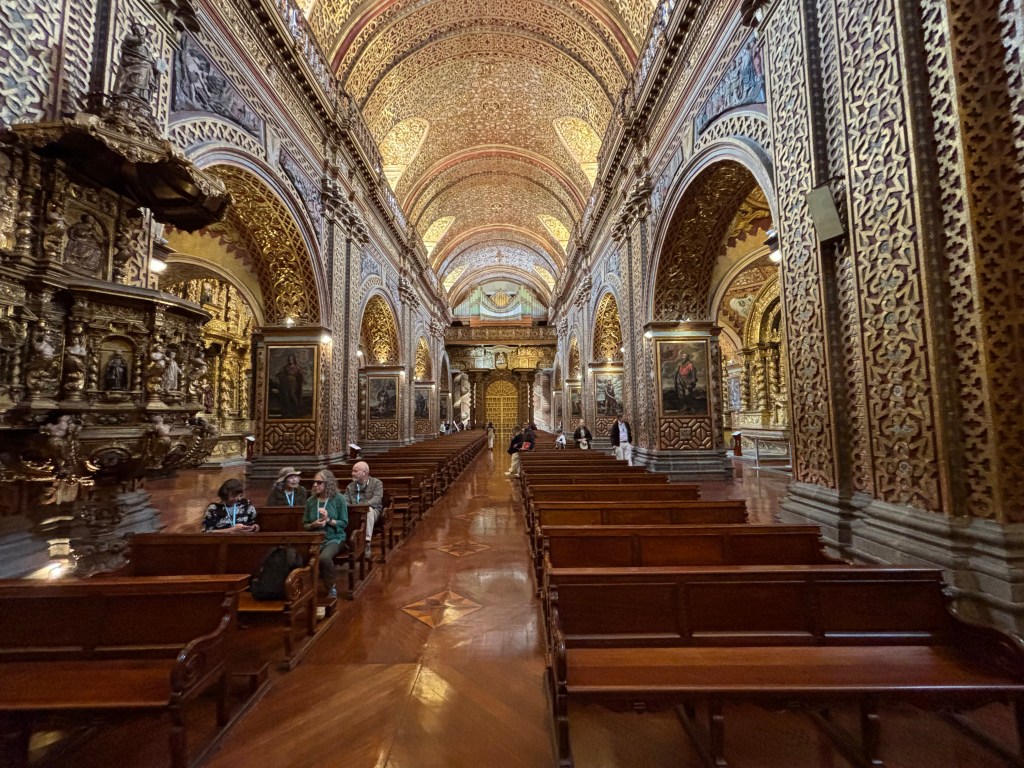
After a delightful lunch, we visited a nearby architectural museum. That evening, we received instructions for our early departure the next morning at 4:30 AM from the hotel to Quito’s airport for our flight to the Galápagos Islands. Consequently, we enjoyed a light dinner and retired early.
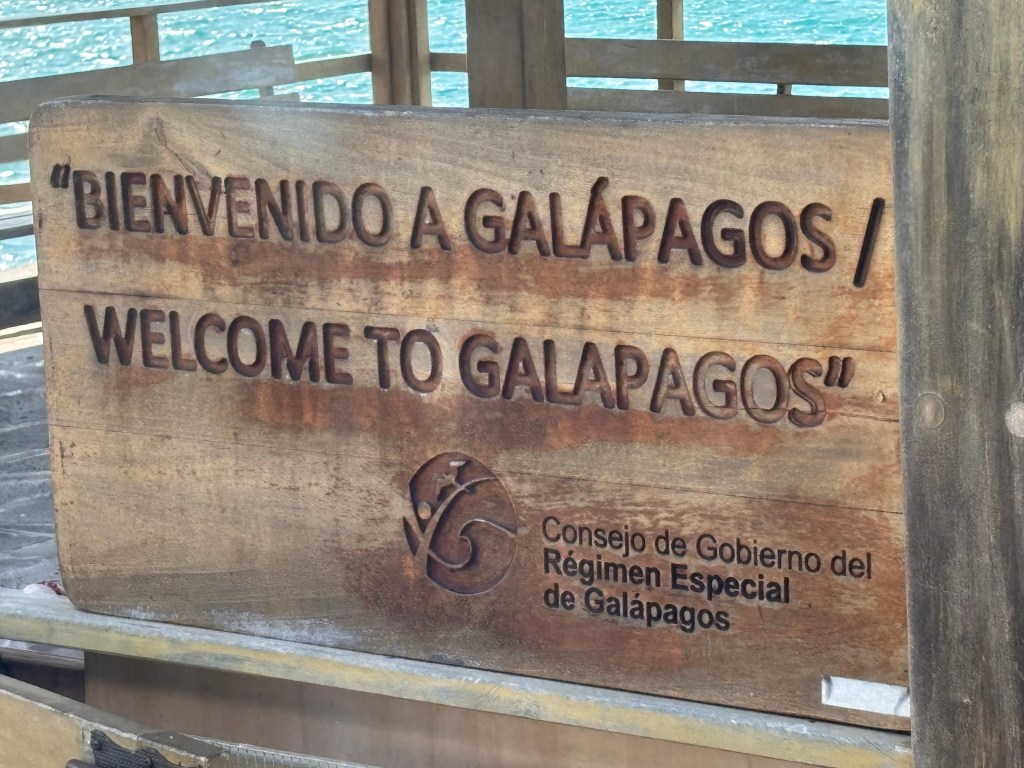
The third day began at 4 AM, as I prepared for our flight to the Galápagos via Guayaquil aboard Latam Airways. Breakfast was served in boxes on the bus to the airport, and our flight departed at 7:35 AM on a cloudy morning, landing on Baltra Island at 10 AM.
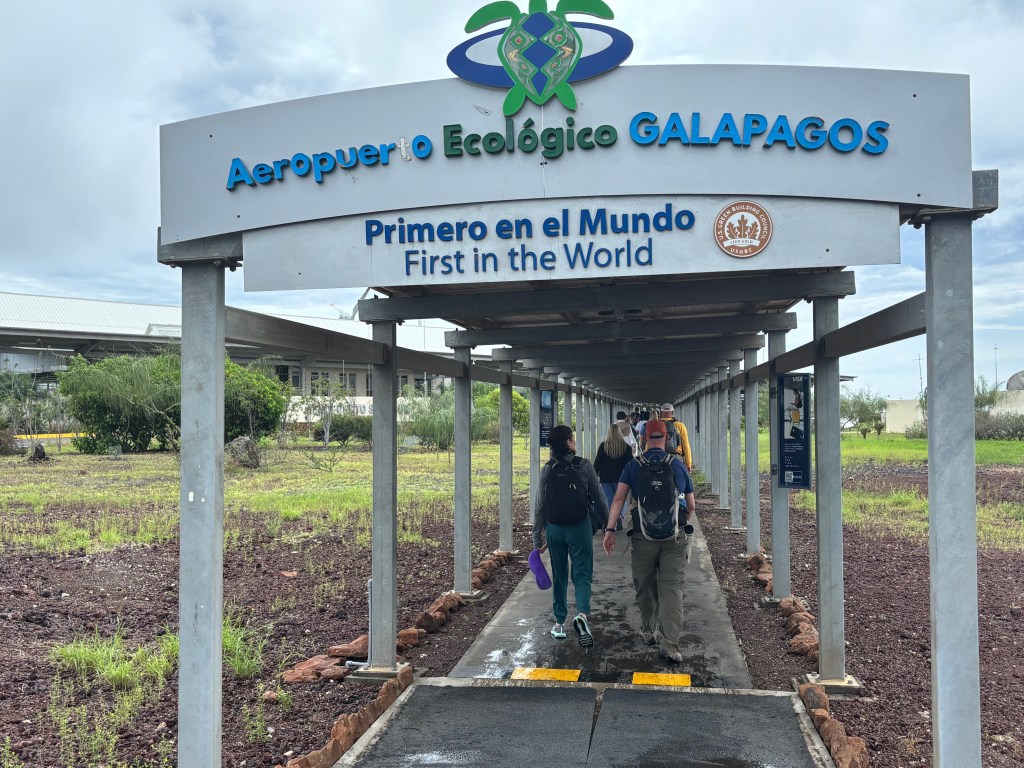
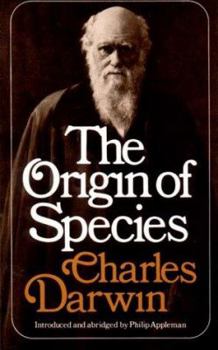
The Galápagos Islands comprise several major and minor islands managed by the Ecuadorian government as a national park. These islands, relatively young at about 500 million years old, were formed by volcanic eruptions that solidified into land. Charles Darwin visited these islands for five weeks aboard the HMS Beagle in the 1830s, recording extensive observations that contributed to his groundbreaking theory of evolution, famously articulated in “The Origin of Species.” Our goal was to partially retrace Darwin’s journey and explore the islands’ splendor, visiting four islands over four days.

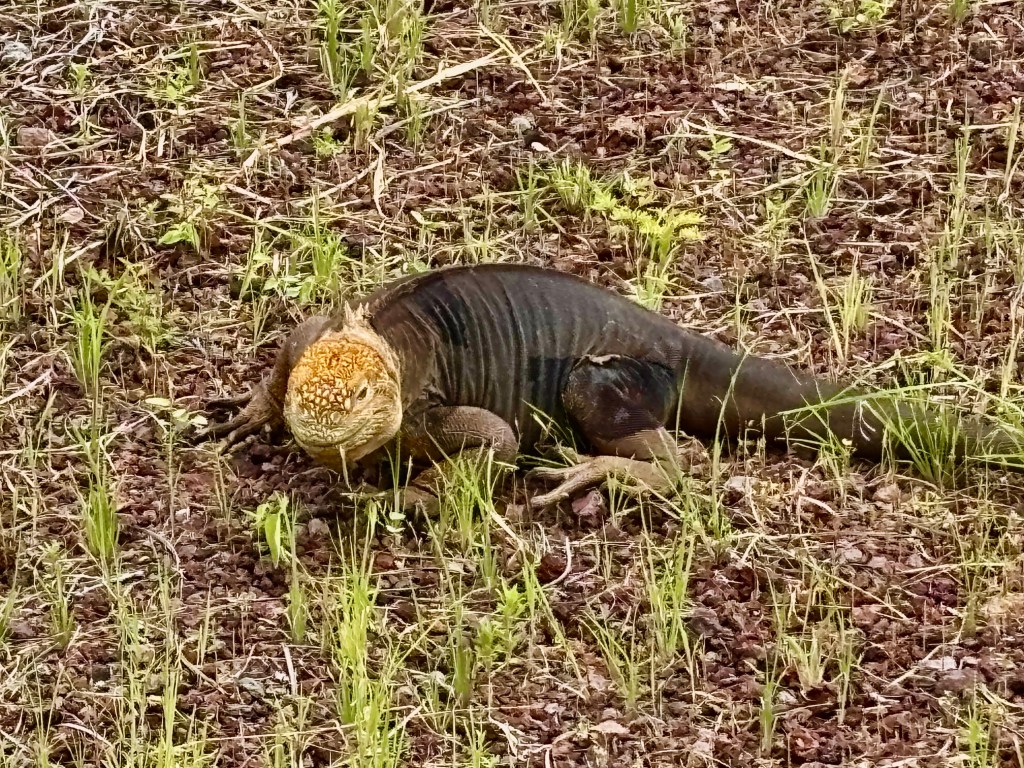
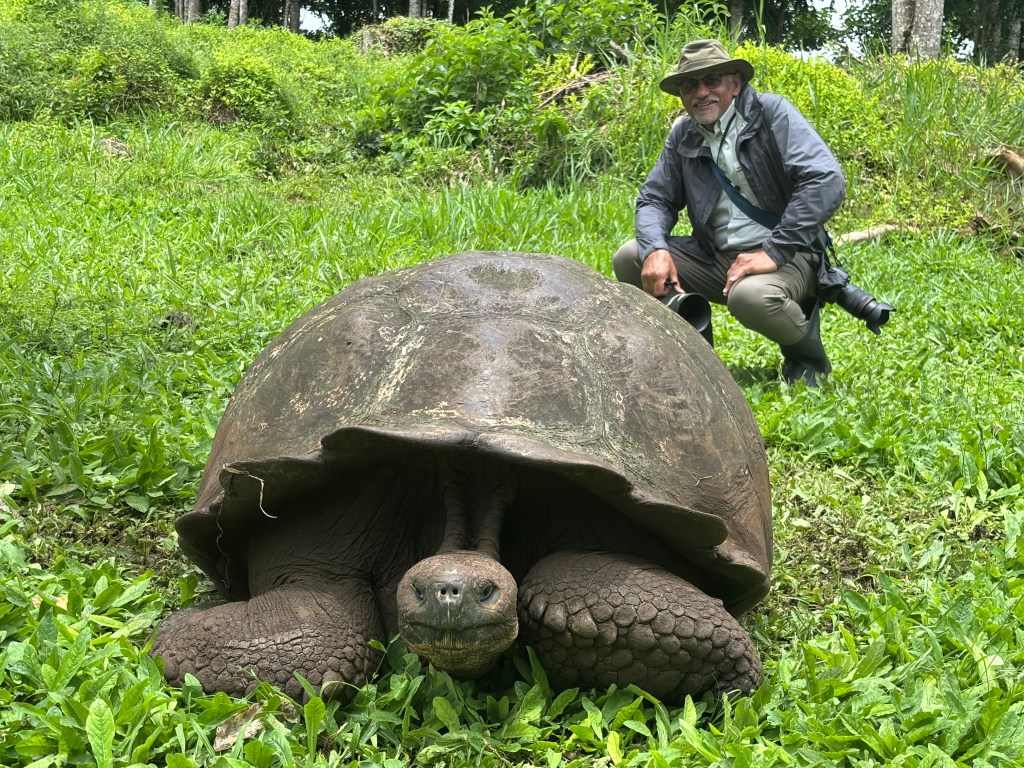
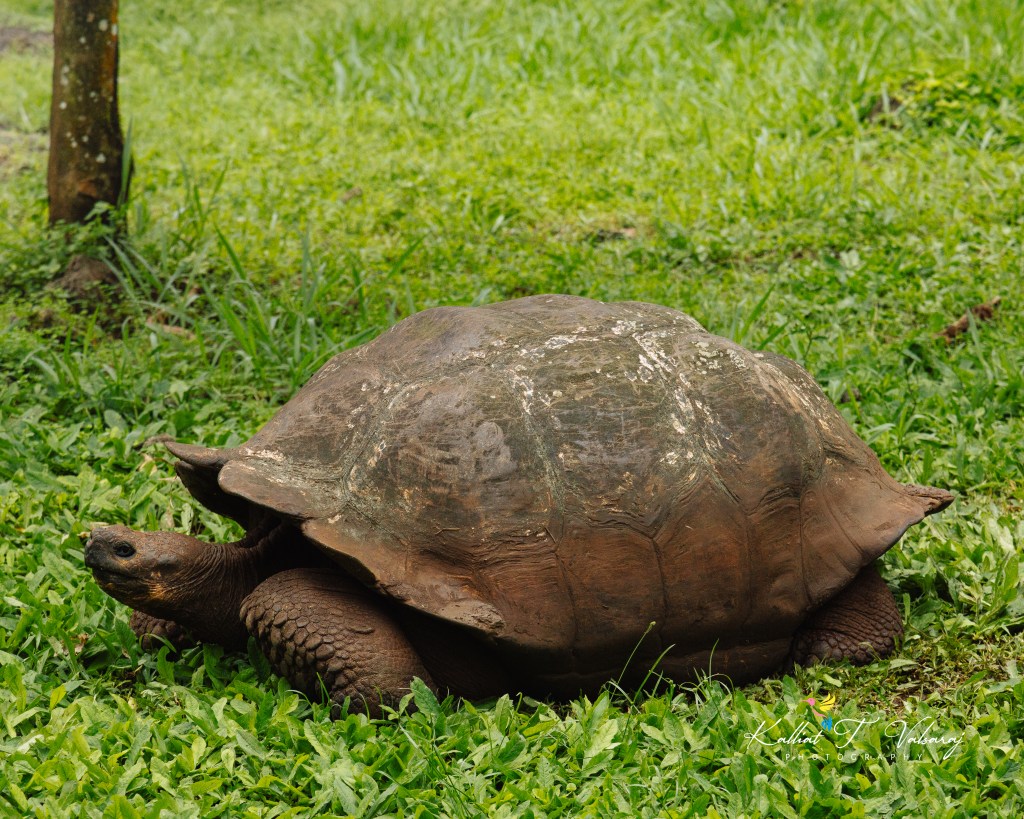
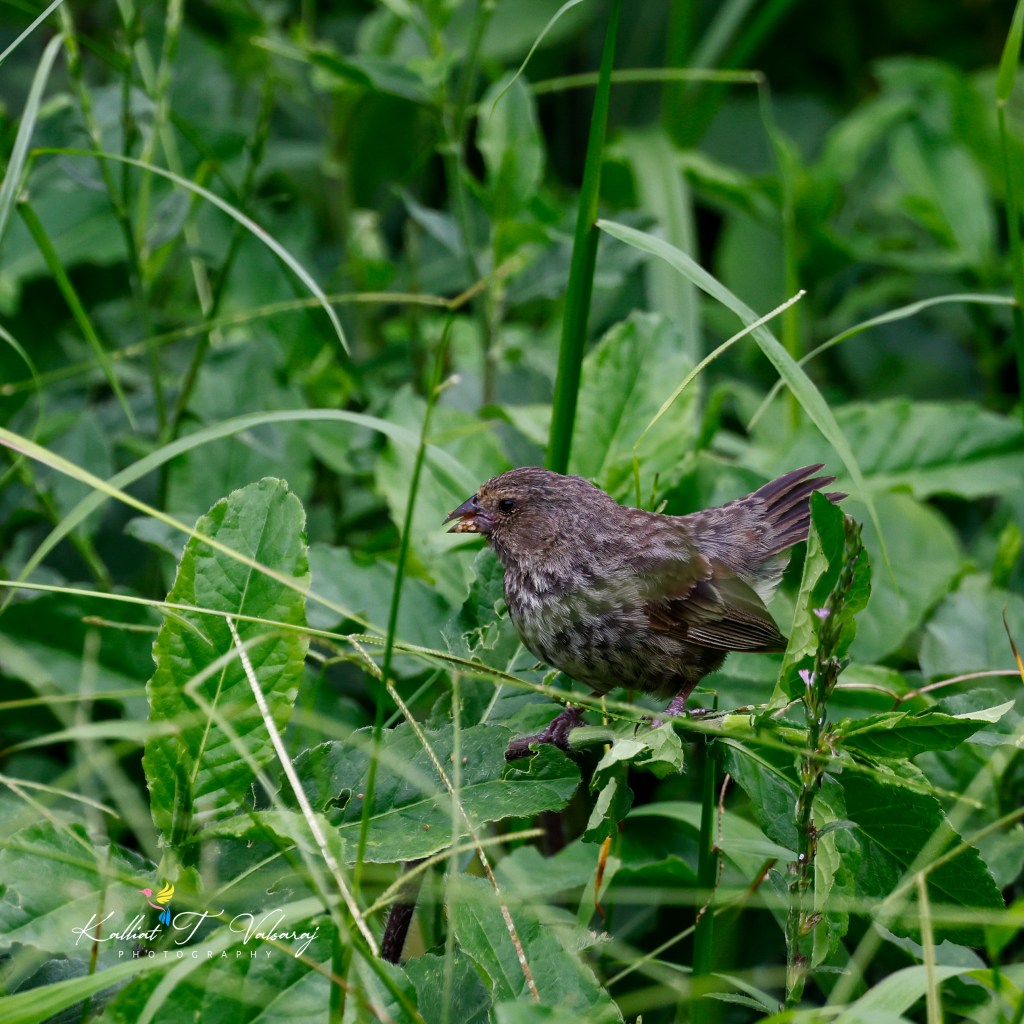
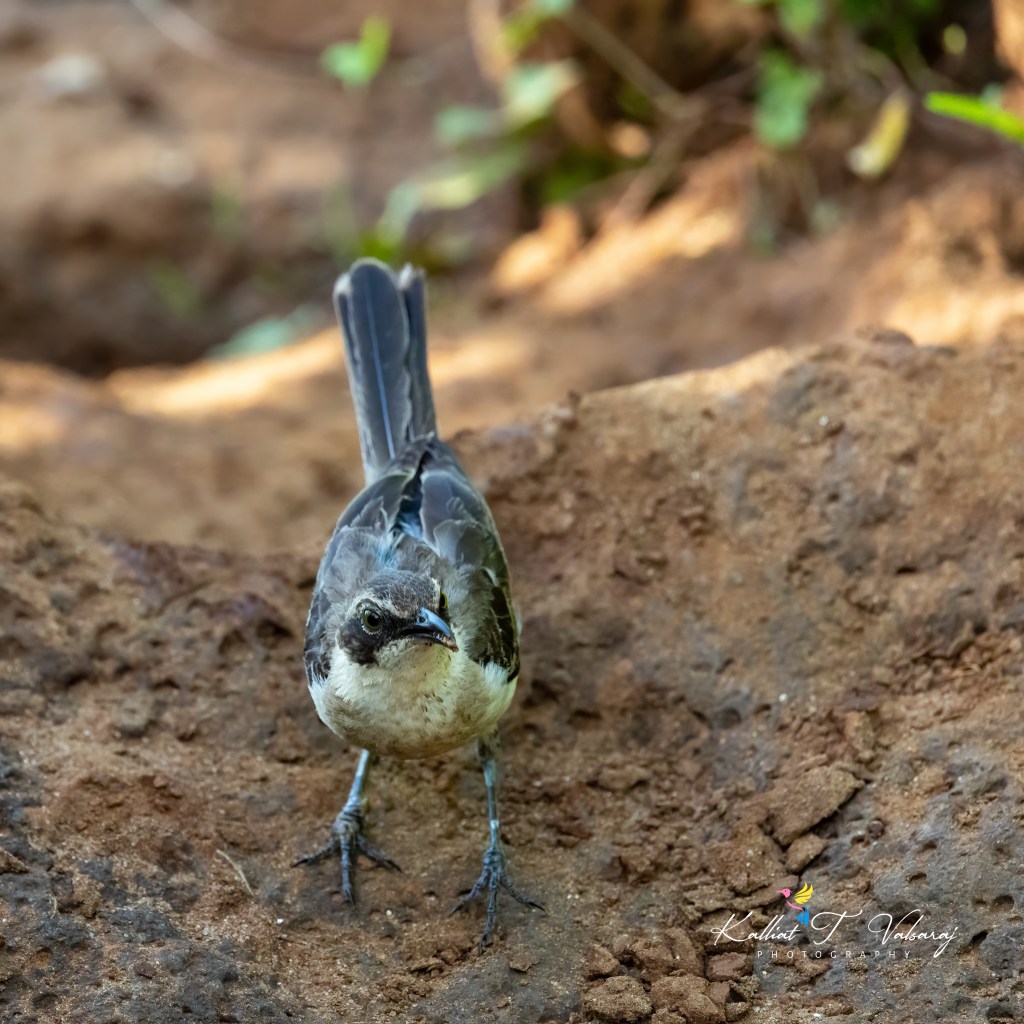
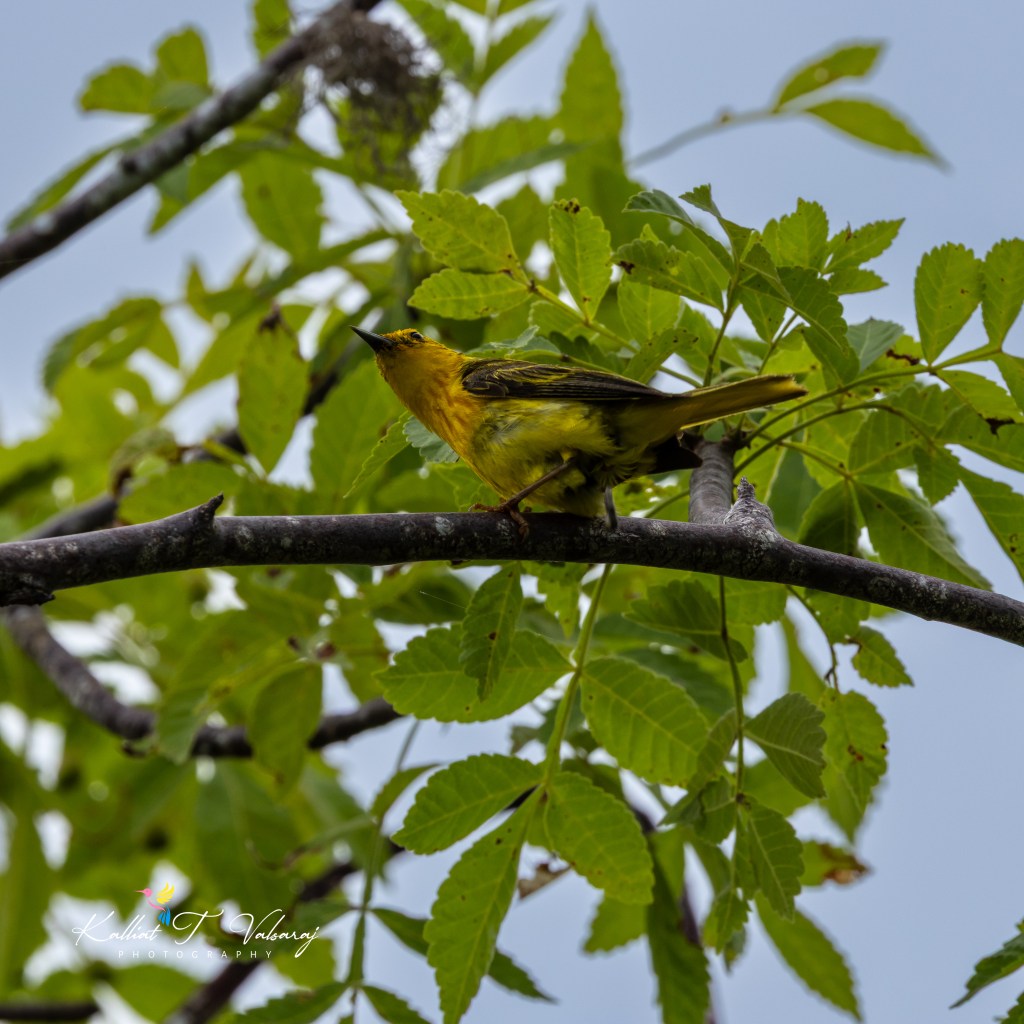
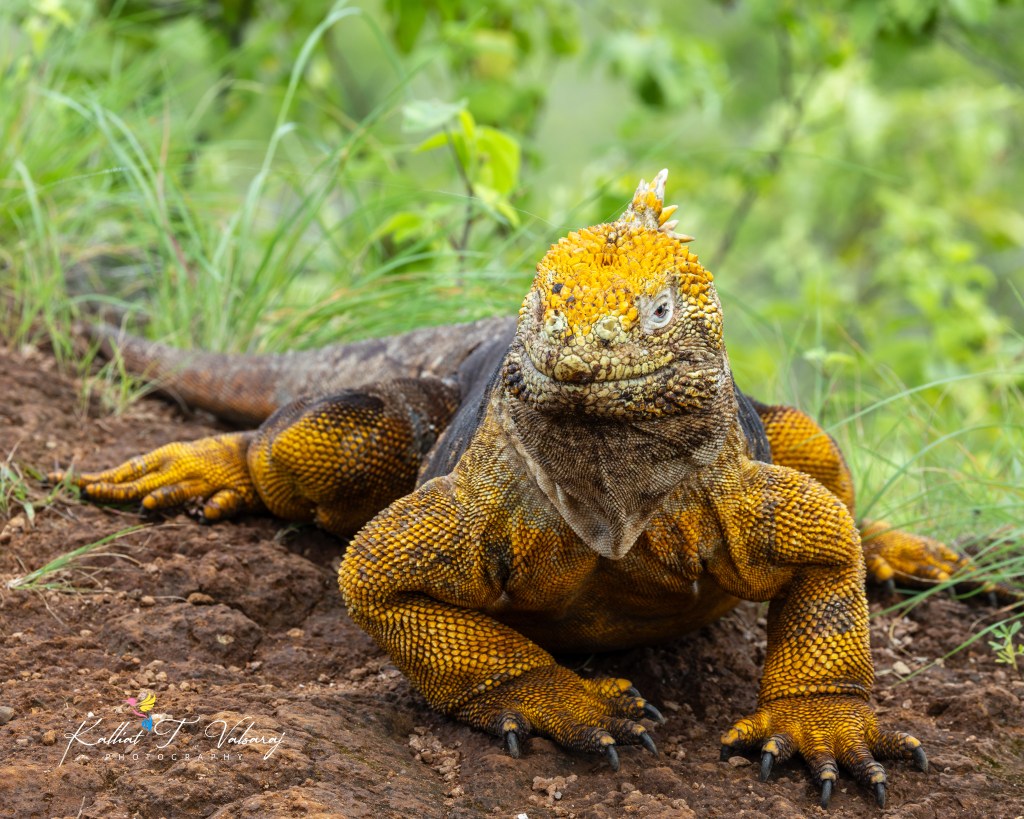
Upon disembarking in Baltra, we were warmly welcomed by a land iguana. After completing visa formalities, we boarded a bus headed to Rancho Primicias, a farm where we encountered Galápagos giant tortoises roaming freely. We also documented various bird species, including ground finches, tree finches, Galápagos yellow warblers, white-tipped pintails, smooth-billed anis, and the renowned Galápagos mockingbird. After enjoying a delicious lunch at the farm, we departed for the Charles Darwin Research Station, located adjacent to the sea. Here, we learned about the conservation efforts for tortoises and observed two cactus species, Candelebra and Prickly Pear, thriving in a seemingly arid environment.
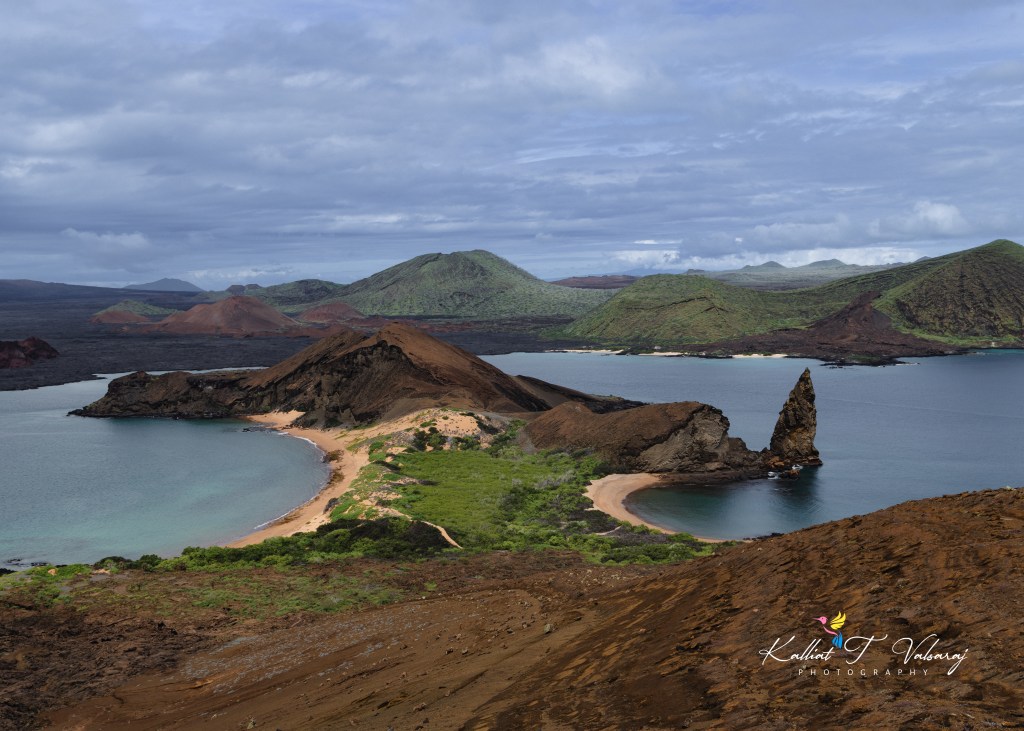
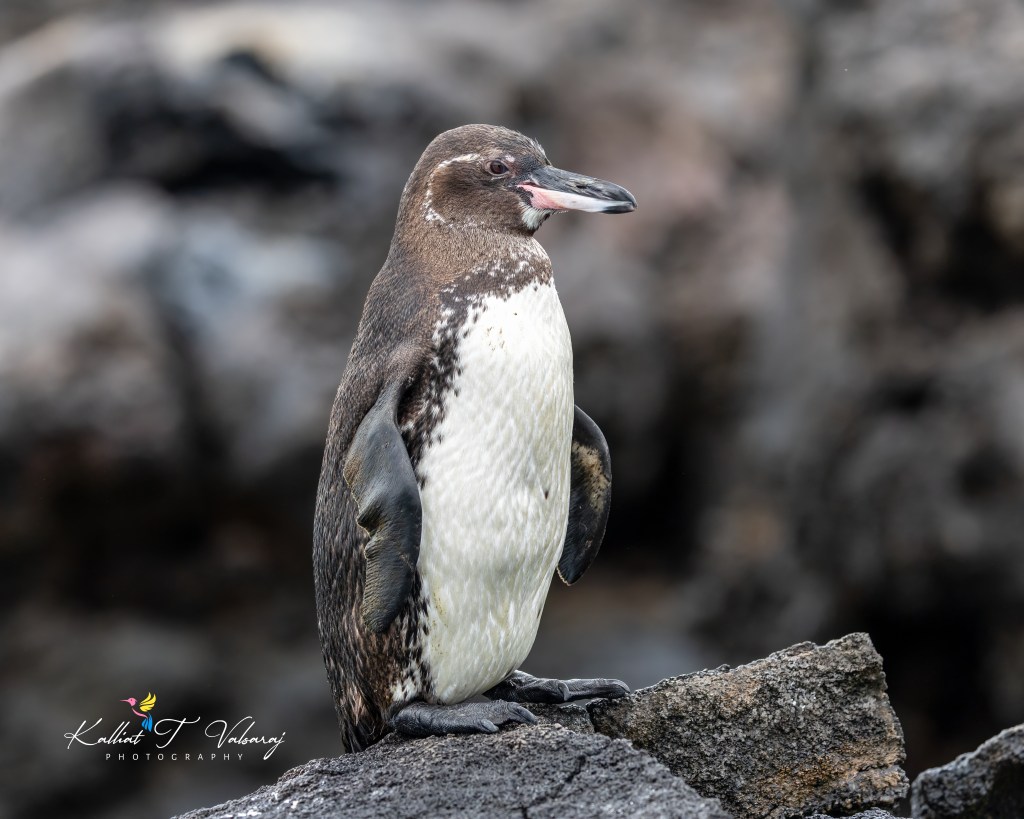
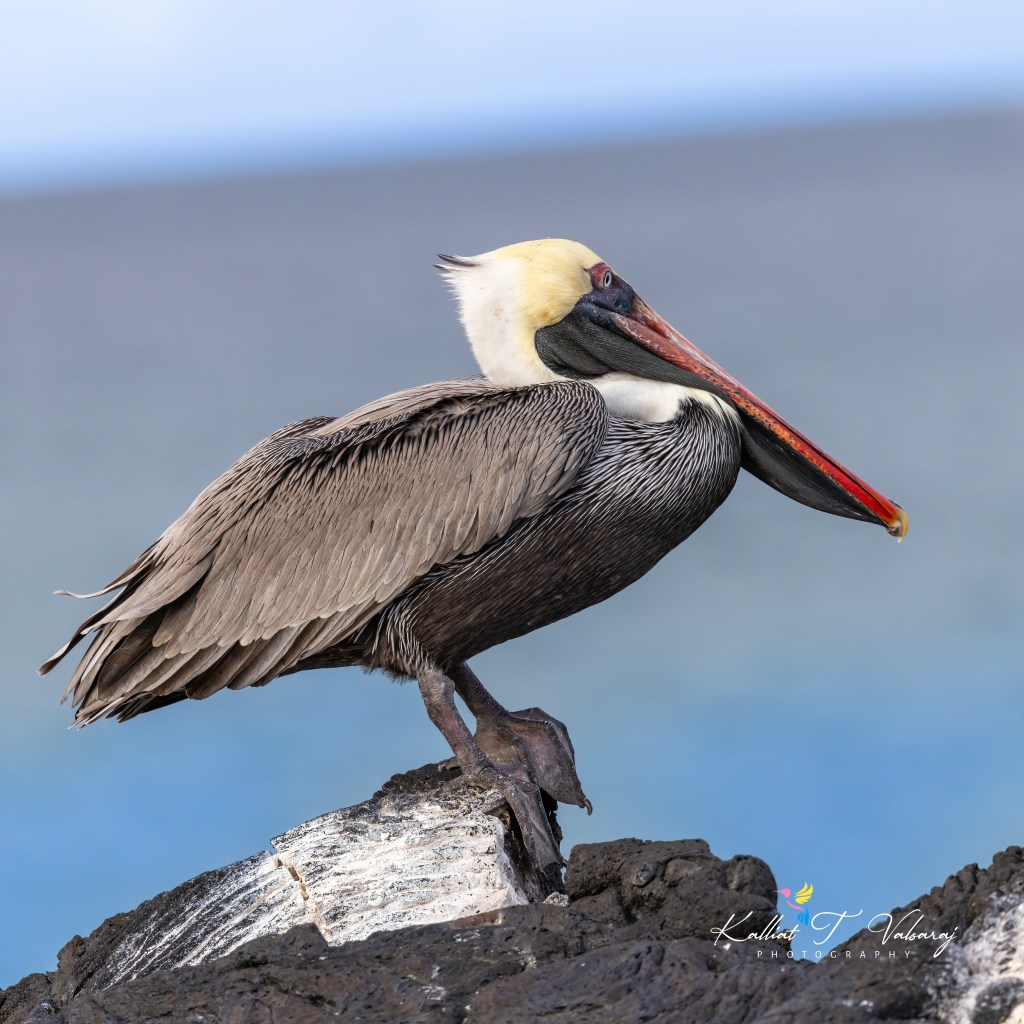
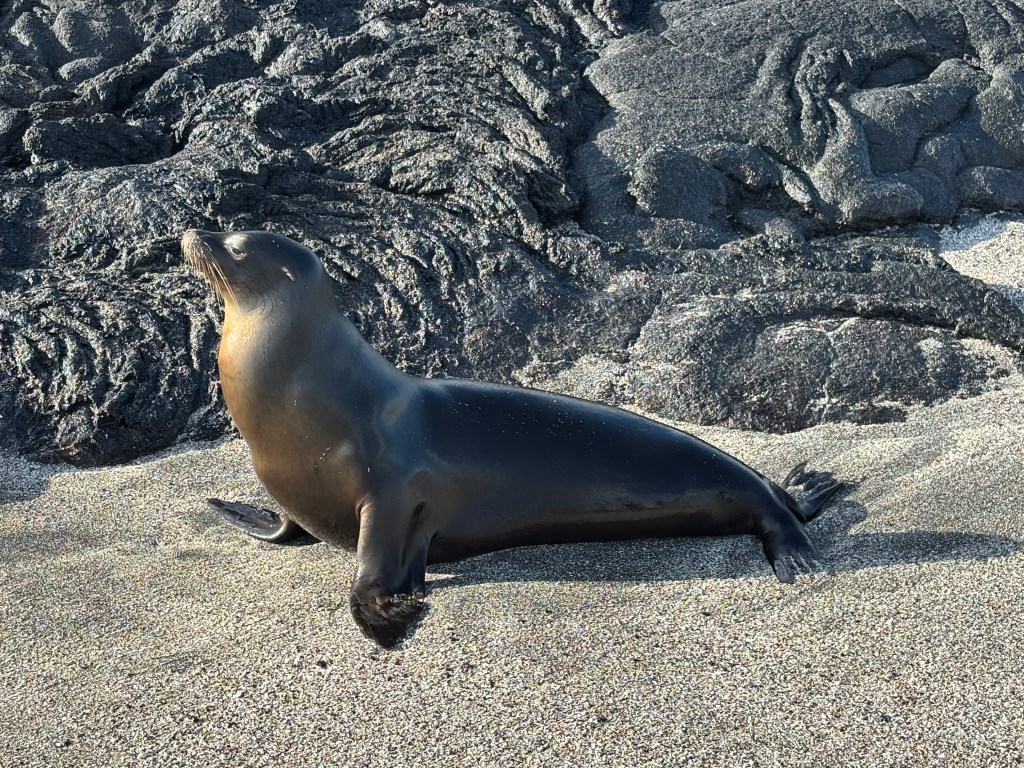
The next day commenced with an early breakfast at 6:30 AM, followed by an exhilarating Zodiac trip to Bartolomé Island. Along the way, we spotted the Galápagos penguin, the world’s smallest and an endangered species, displaying their unique behaviors as we approached for photographs. We also saw marine iguanas and a sunbathing sea lion. Climbing 372 steps to the top of a dormant volcano unveiled stunning views of the island below, including the site where Darwin collected specimens for the UK. After lunch on our vessel, we embarked on a two-mile hike across solidified lava flows to observe various formations, concluding at a picturesque beach where some ventured to snorkel among vibrant underwater life. We had ample opportunities to see shorebirds, including great frigatebirds, brown pelicans, blue-footed boobies, and the endemic Galápagos storm petrel, which feeds on the water’s surface during the day.

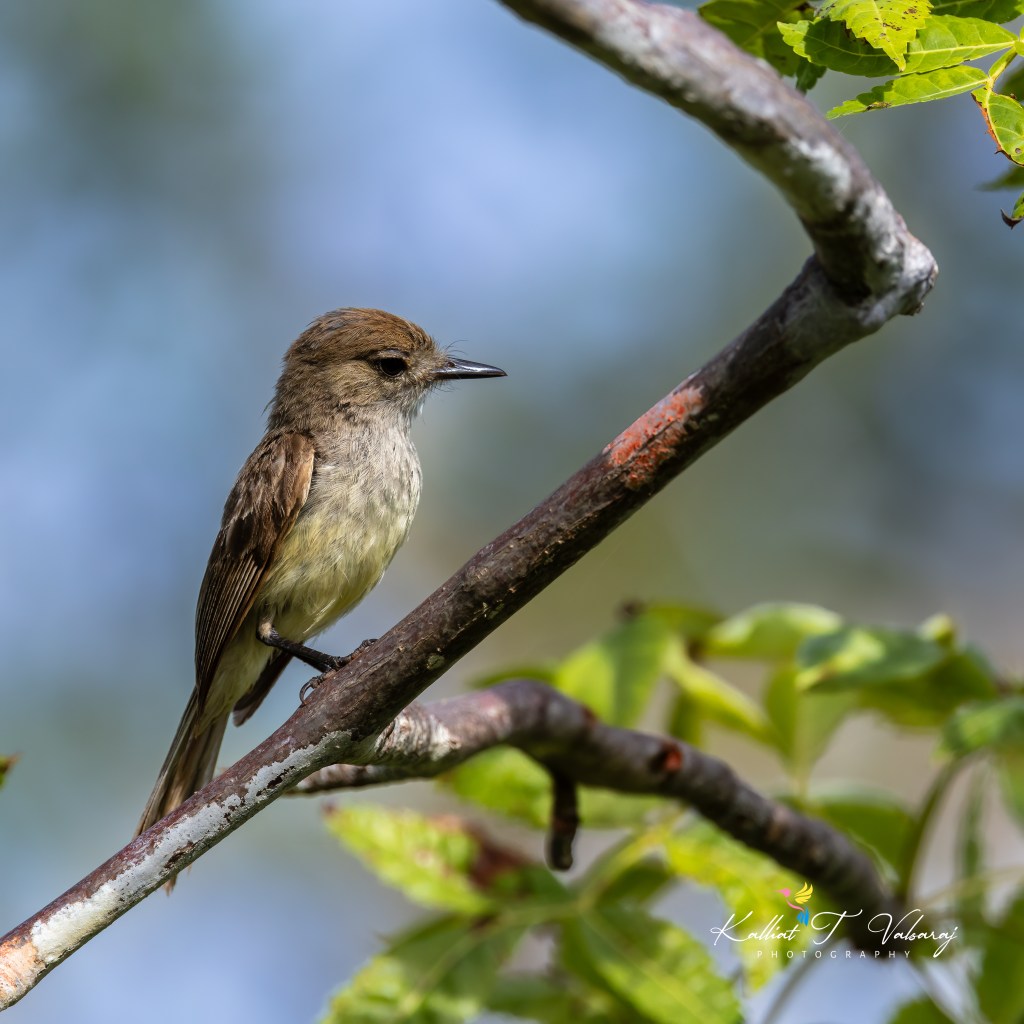
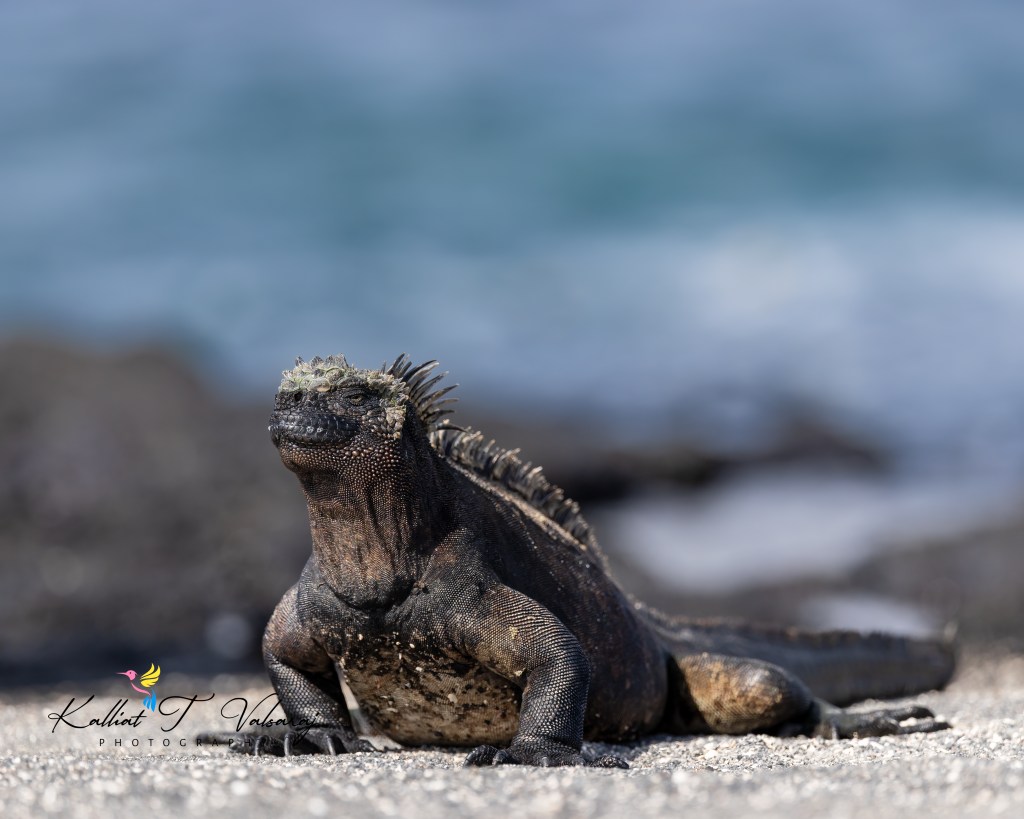
On Saturday morning, we explored the opposite side of Santa Cruz Island, where we encountered at least ten land iguanas during a three-hour trek. We also observed several Galápagos mockingbirds, yellow warblers, medium tree finches, and enjoyed close encounters with Galápagos flycatchers. A beautiful sighting of marine iguanas basking on the beach and blue-footed boobies waiting on lava rocks for fish capped off our visit. Upon returning to the boat, we participated in an engaging talk on “Darwin in the Galápagos” by our onboard naturalist, Alex. After a delightful lunch, a two-hour siesta revived our spirits following a sun-soaked morning trek. We then set sail to Santiago Island for an afternoon of exploration.

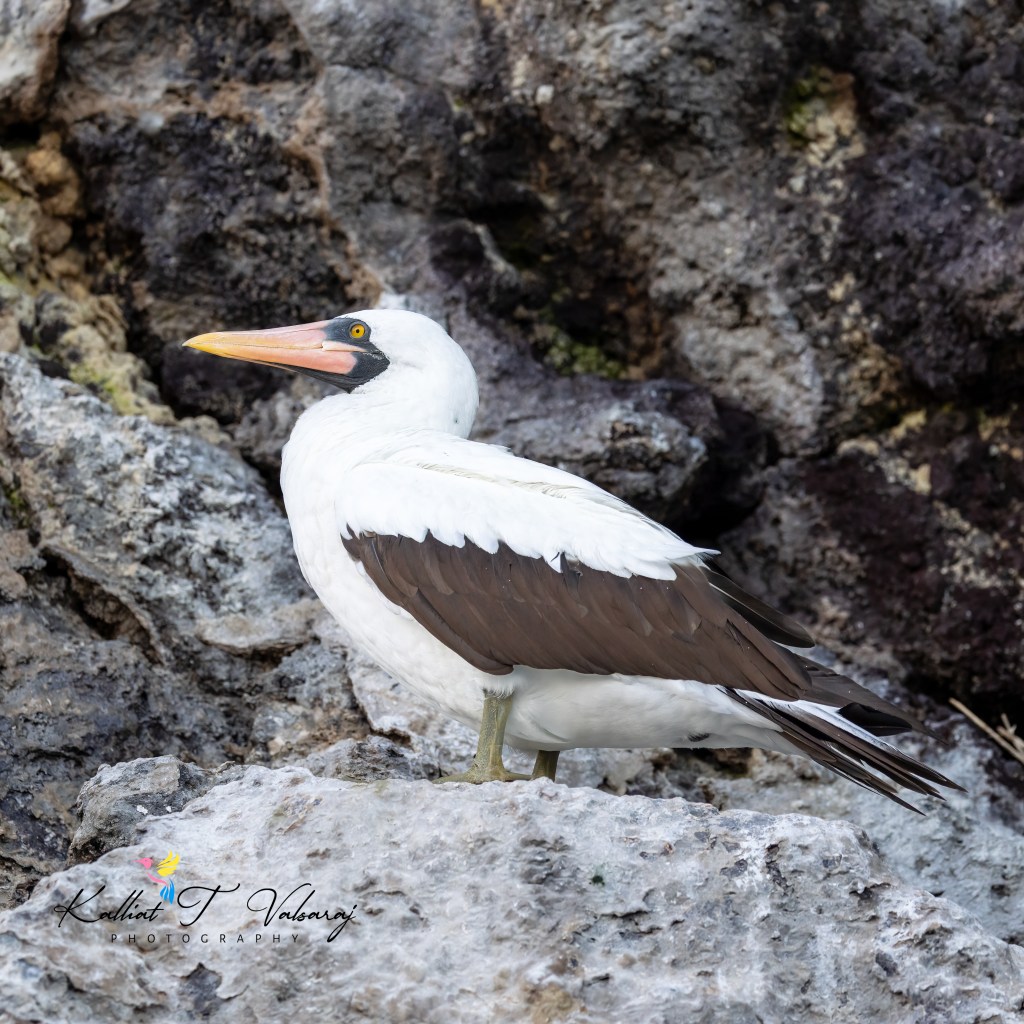
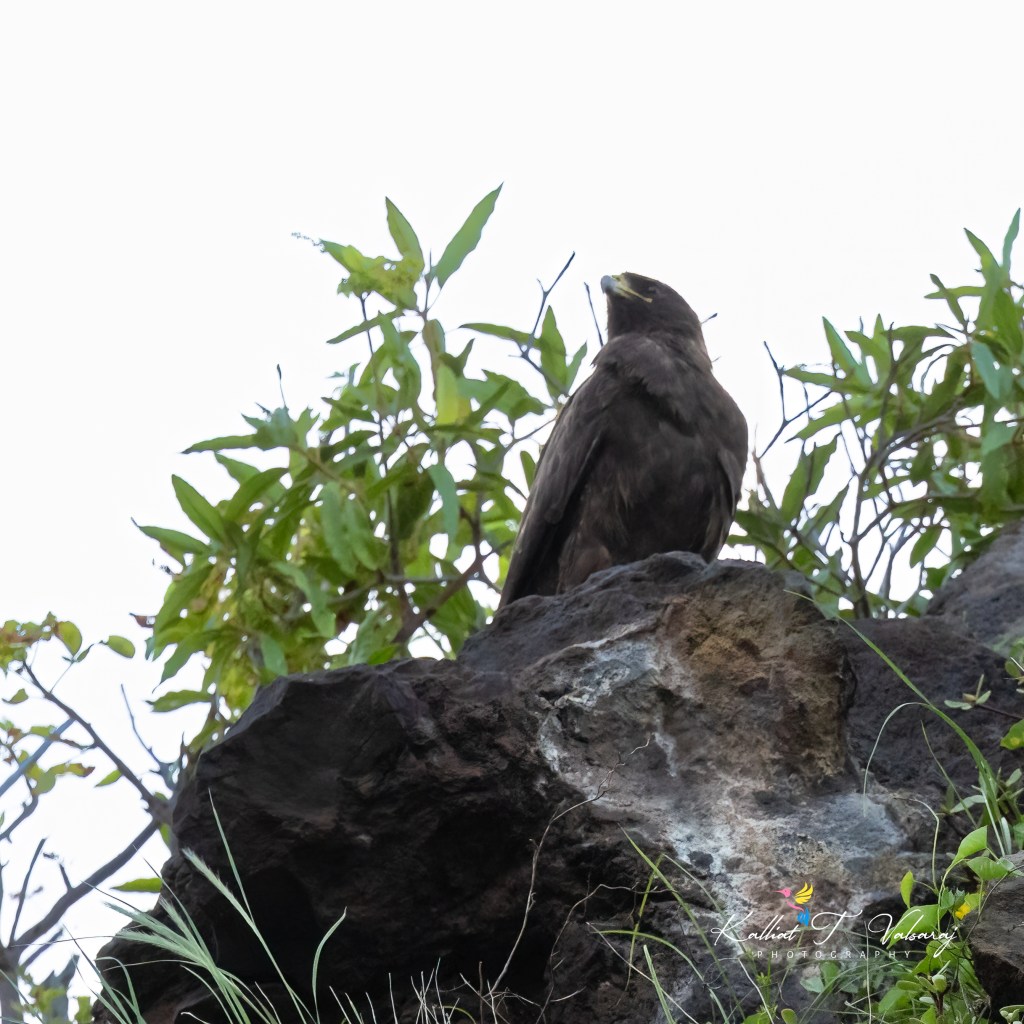
Our first activity involved a glass-bottom boat ride to observe a variety of fish and crustaceans near Buccaneer’s Bay. Although the water was murkier than the previous day, we were excited to spot two Galápagos sharks and a Pacific Green Sea Turtle. Following this, we embarked on a Zodiac expedition around Santiago Island, spotting endemic birds such as the Galápagos hawk, Galápagos shearwater, brown noddy, Nazca booby, great frigatebird, swallow-tailed gull, and Galápagos dove. The Galápagos hawk is the only resident hawk species on the islands, and Nazca boobies nest on isolated rock formations in abundance. We concluded the day with a discussion about our experiences and a delightful dinner.


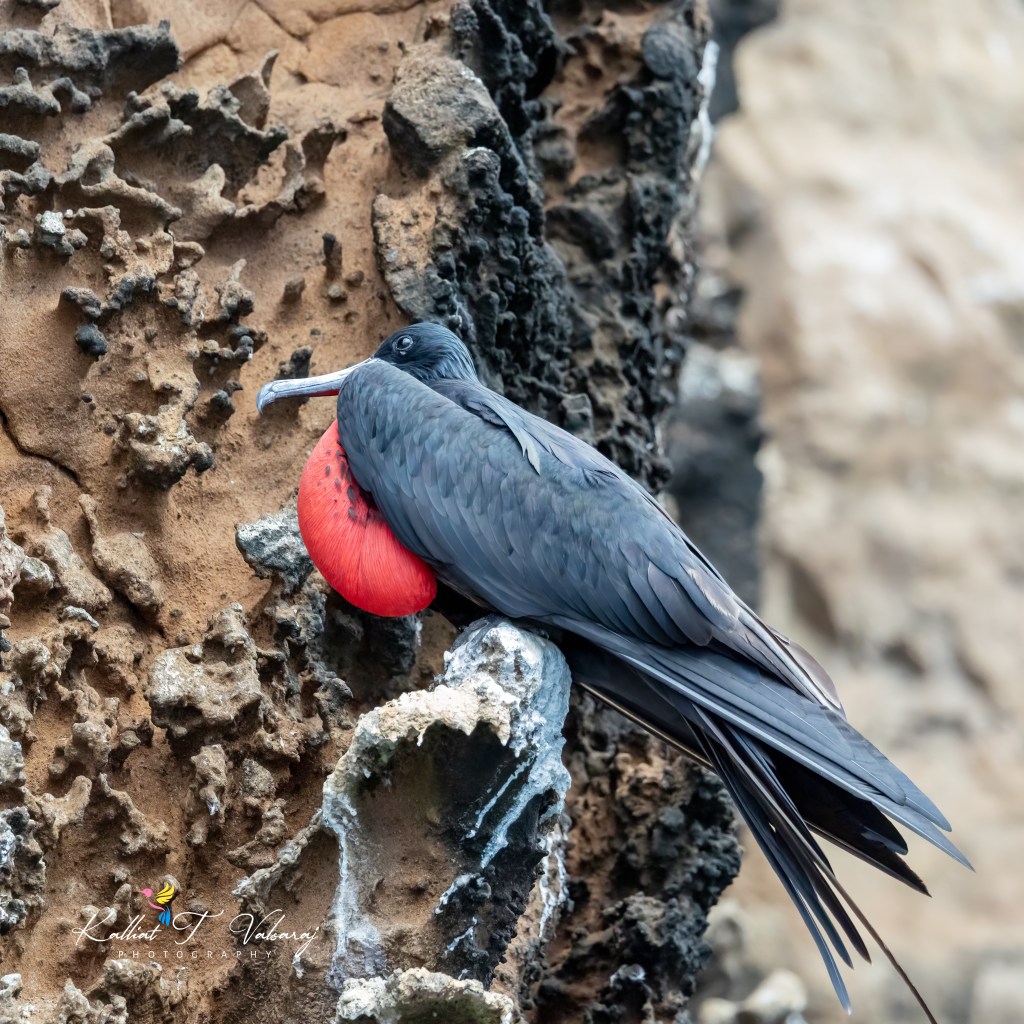
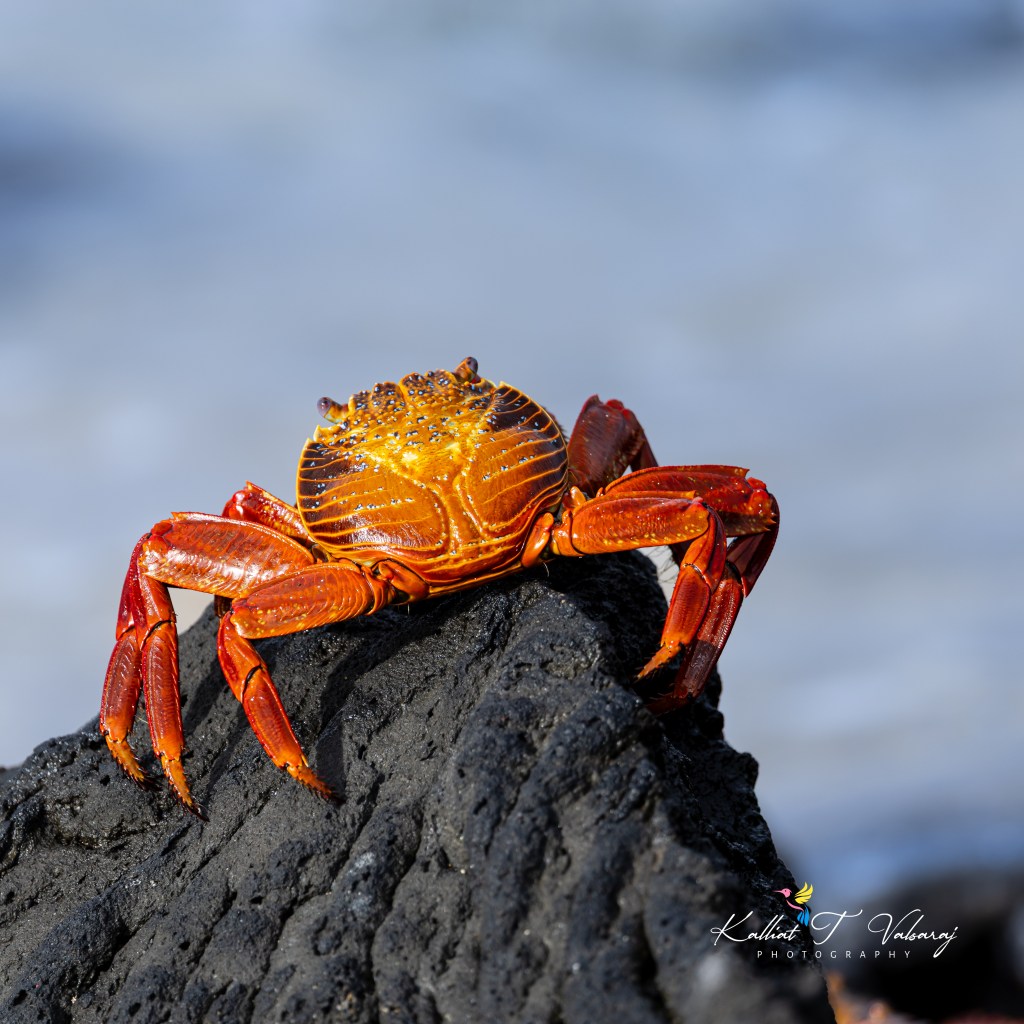
After dinner, we continued our journey around Isabella Island to reach Punta Vicente Roca. Early the next morning, we set out for a coastal exploration on the Zodiac, observing volcanic rock formations and blue-footed boobies. We were thrilled to spot the flightless cormorants, permanent residents of the islands, along with numerous brown noddies and male frigatebirds showcasing their impressive red throat sacs during mating displays. The sight of adorable fur seals lounging alongside marine iguanas was irresistible. In the afternoon, we hiked to Ferdinand Island, traversing lava rocks to see dozens of marine iguanas basking on the beach, reminiscent of prehistoric creatures. We also encountered sea lions their cubs, and Sally lightfoot crabs crawling over all rocks further illustrating the delicate ecosystem of the Galápagos Islands. High tides limited our exploration, underscoring the need for ongoing conservation efforts to protect this unique environment.

This expedition served as a poignant reminder of the importance of conserving the ecosystem that inspired Charles Darwin’s principles of natural selection, foundations of modern ecology and biodiversity. The Ecuadorian government’s commitment to protecting these islands allows species to thrive freely, yet challenges such as climate change and invasive species threaten their delicate balance. It is our duty to preserve this pristine habitat for future generations, ensuring they can appreciate and understand the significance of Darwin’s observations that shaped the fields of biology and ecology from the 19th to the 21st century. This journey should be on every nature enthusiast’s bucket list. I feel privileged to have partially retraced Darwin’s footsteps, adding 17 new species to my eBird list and encountering numerous mammals unique to this region.
Thank you for reading this blog. If you enjoyed it, please give it a thumbs up, and if you haven’t subscribed yet, consider doing so to receive more informative content in the future.
 Wild Trails Photography