
Kerala, a lush southern coastal state in India, is renowned for its rich biodiversity, particularly in avian and wildlife species. The tropical climate fosters a multitude of bird species that either reside year-round or migrate between the cooler and warmer regions of the continent. However, the spotlight has primarily focused on the more populated and developed southern part of the state. In contrast, North Kerala has maintained a relatively untouched environment due to limited development over recent decades, allowing for a greater variety of bird species in some lesser-known habitats. One such habitat is Madai Para, a hillock located approximately 20 kilometers from Kannur town, accessible by car or bus.

My exploration of this area was made possible by a local birdwatcher, Ms. Jisha Rajesh, with whom I coordinated a brief one-day trip. We set off early in the morning around 5:30 AM from Kannur, aiming to reach Madai Para before sunrise, the optimal time for bird activity. The region features numerous ponds and hilly terrains, which we thoroughly explored during our visit.
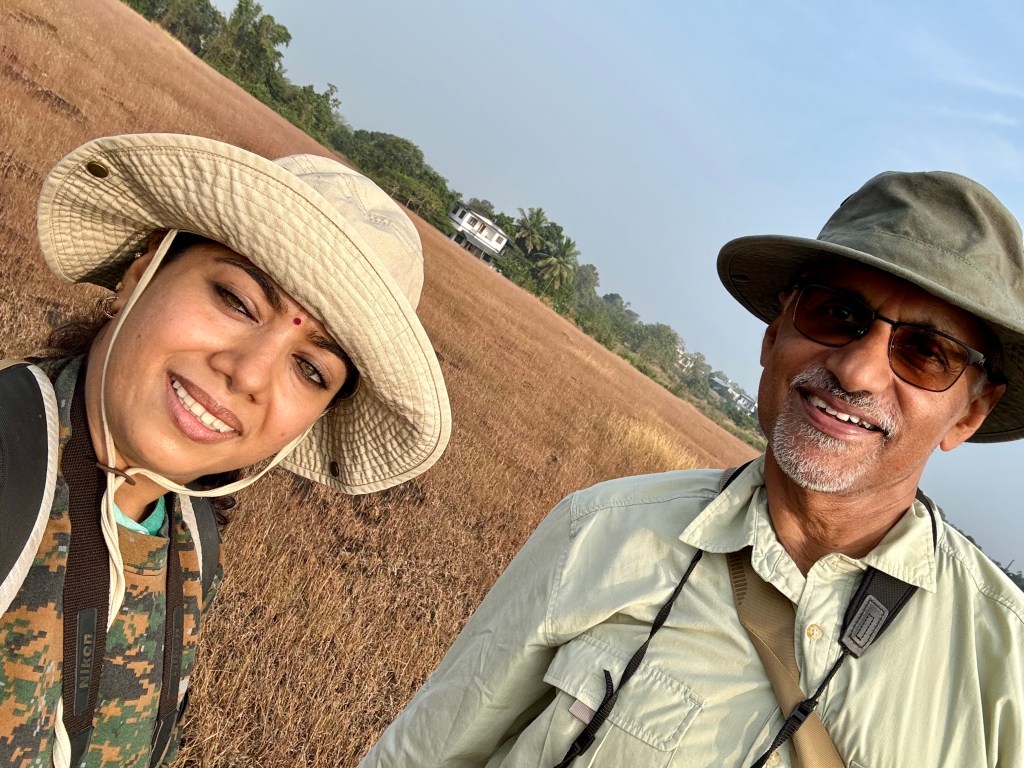
During our five-hour birding excursion, we identified 62 different species, including 24 “lifers” added to my eBird list.
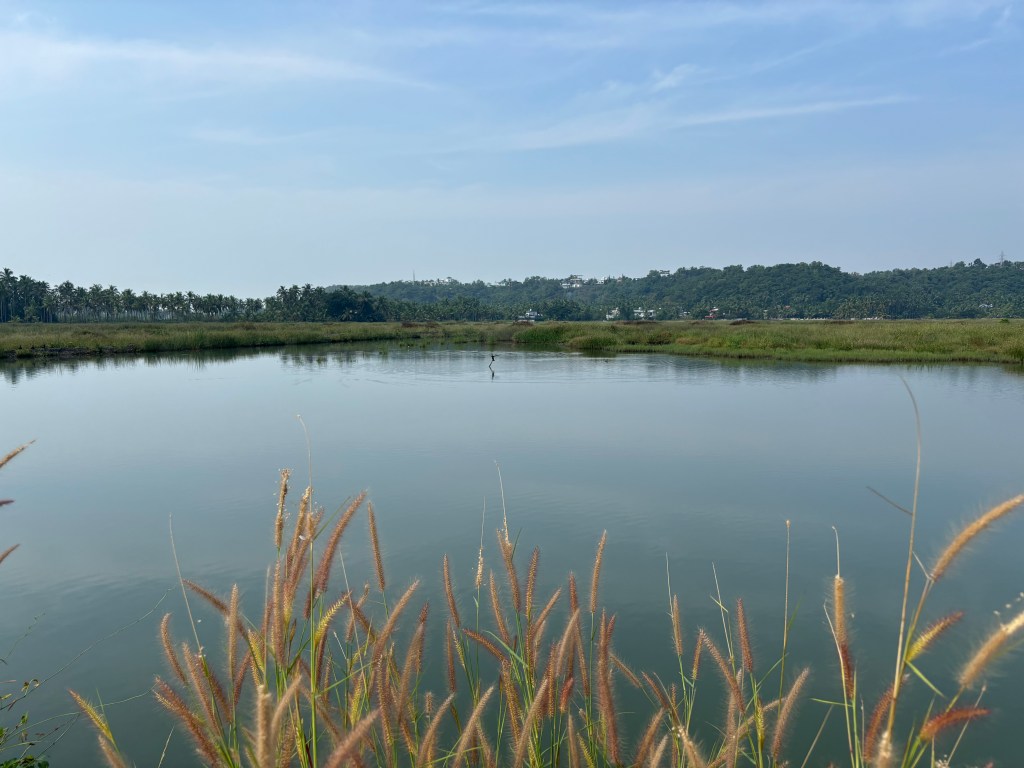
The North Kerala region is characterized by several hilly landscapes and wetlands, primarily nourished by the monsoon rains that occur mid-year. The abundance of food, water, and mild winter climates attracts a number of migratory species.
Among the remarkable birds found in this area is the Brahminy kite, one of the largest and most adept birds of prey, easily recognized by its impressive wingspan and keen eyesight that aid in hunting mice and other small animals. This bird is often spotted in pairs or groups near water bodies and is also an efficient fish catcher. The elegant Black kite is another common sight in the region.


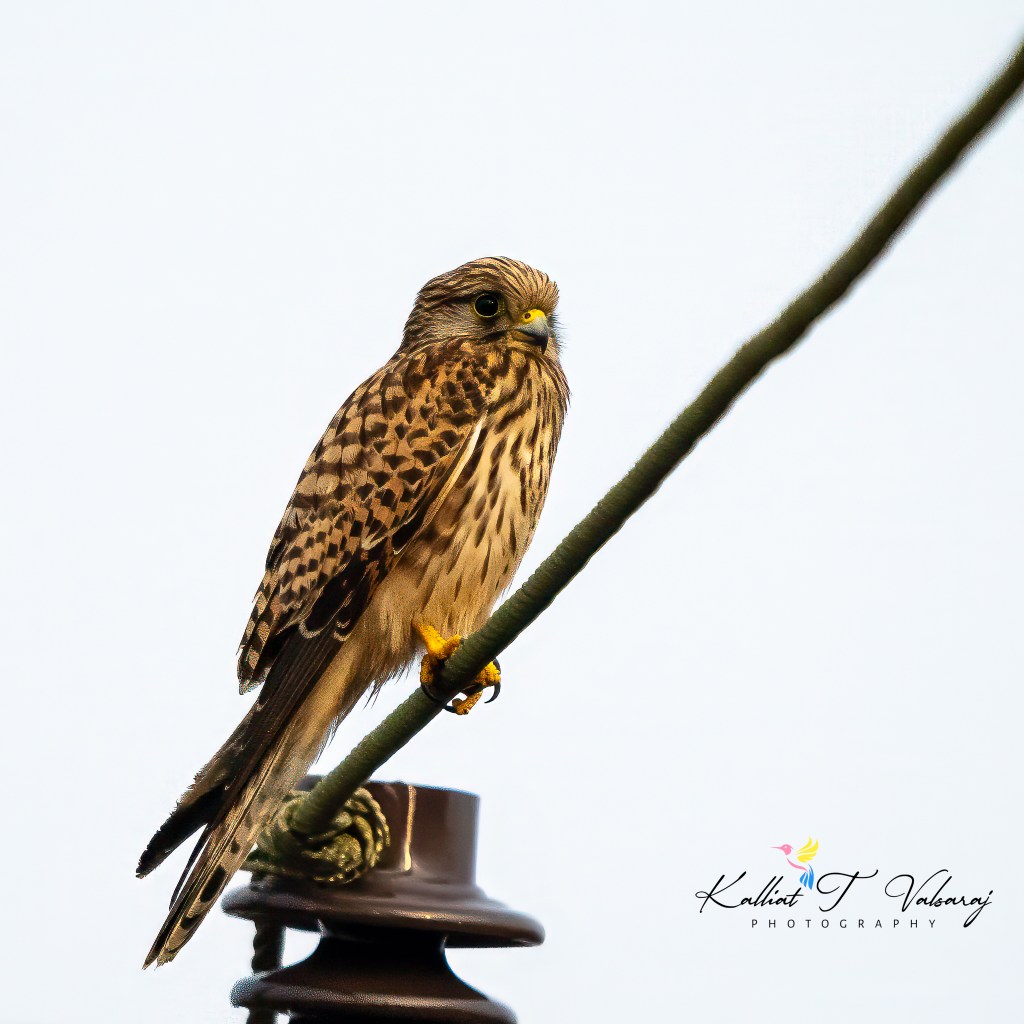
Another notable visitor is the European Kestrel, a small bird of prey that frequents the area during winter. Its behavior, often seen patiently waiting for prey on power lines and treetops, is a captivating sight.
Various water birds inhabit the area, including the red-wattled lapwing, white-throated and crested kingfishers, Asian Open-billed Stork, common sandpiper, and common greenshank.

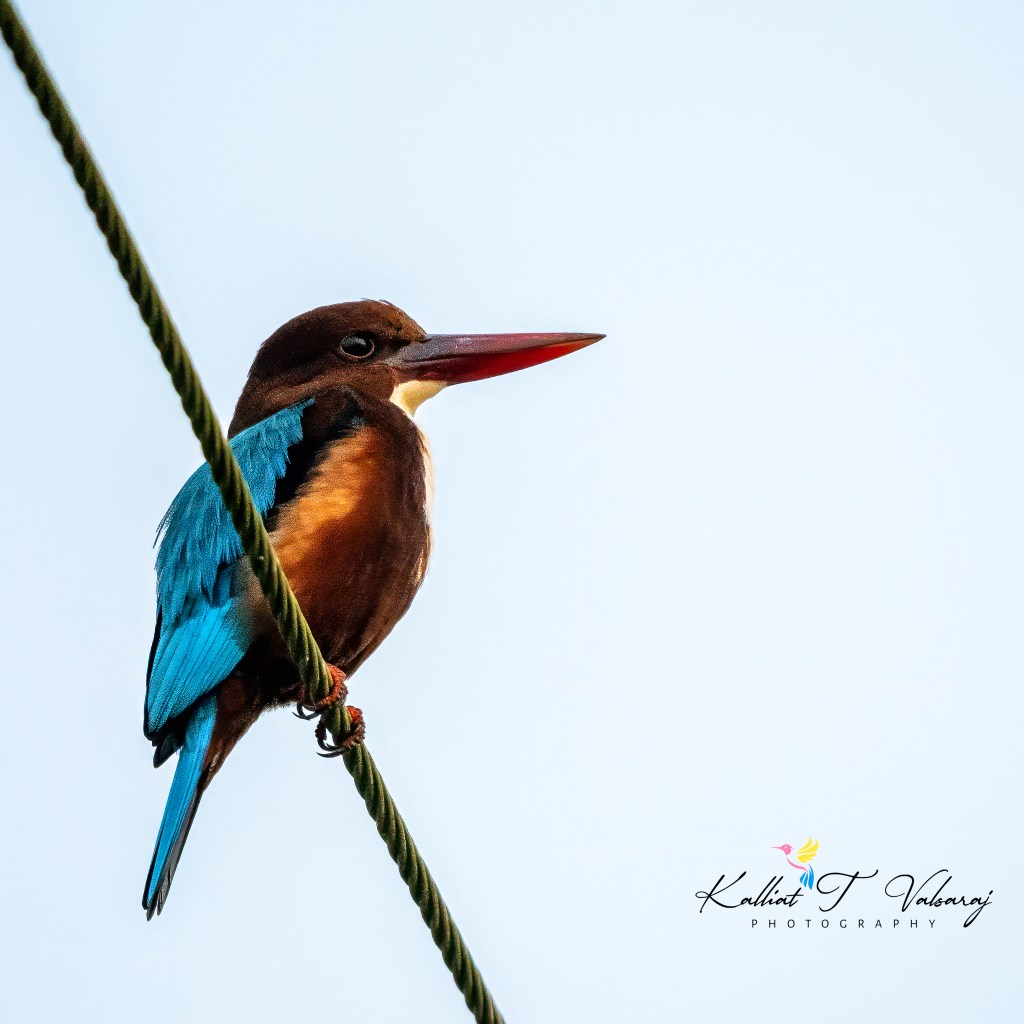
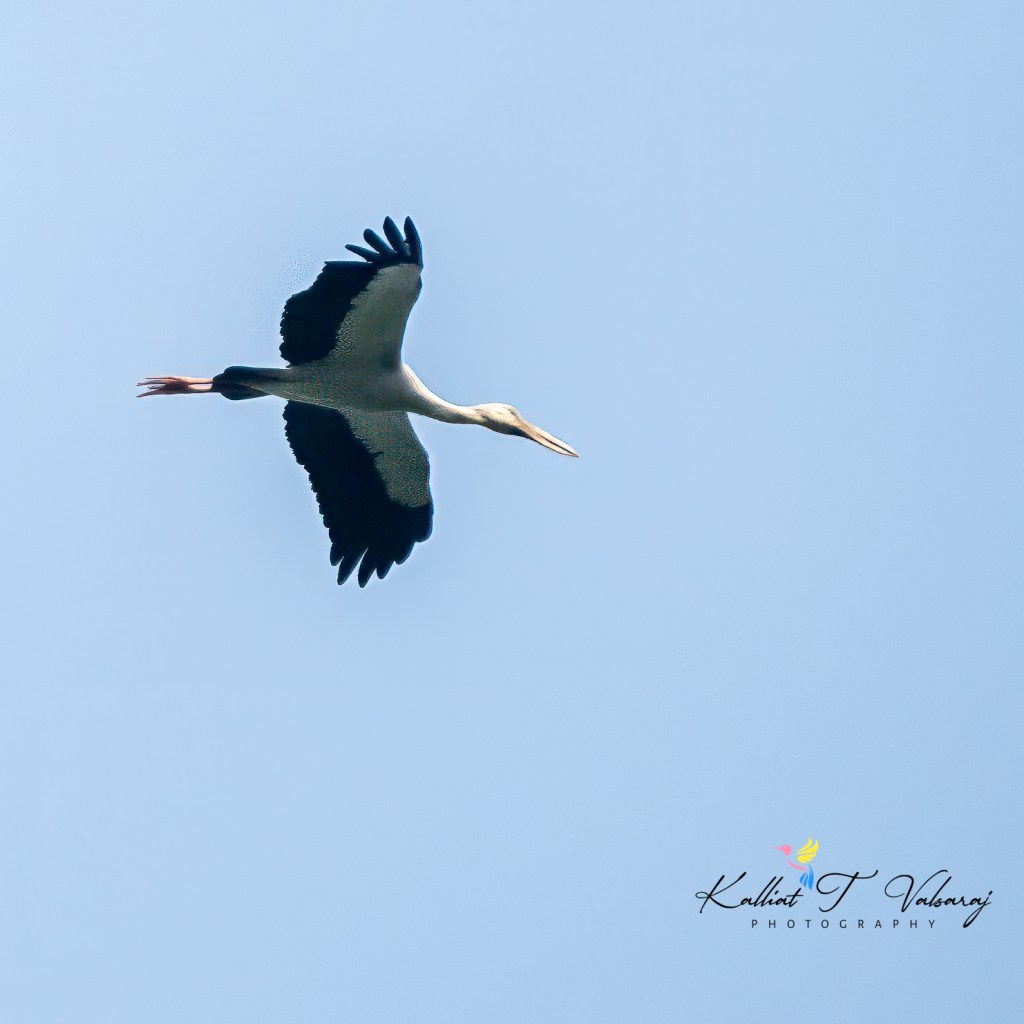

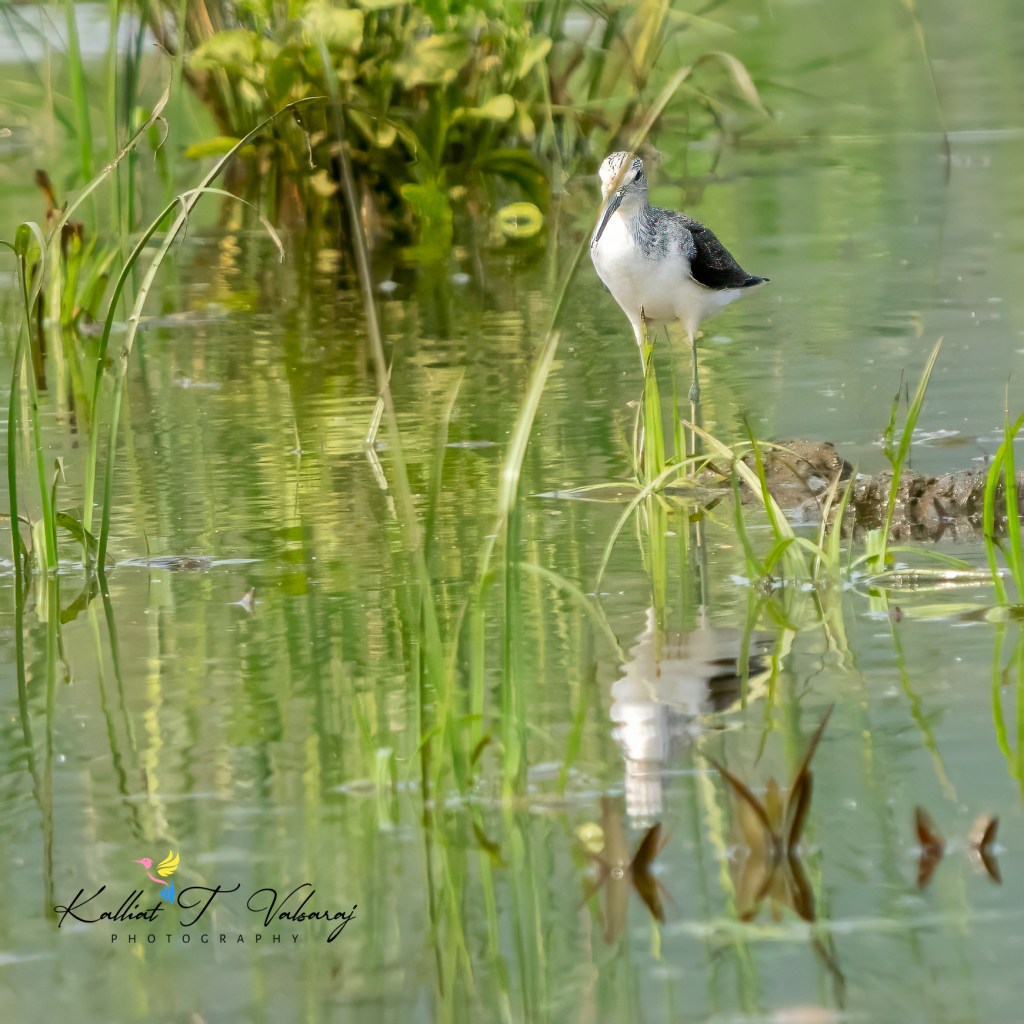

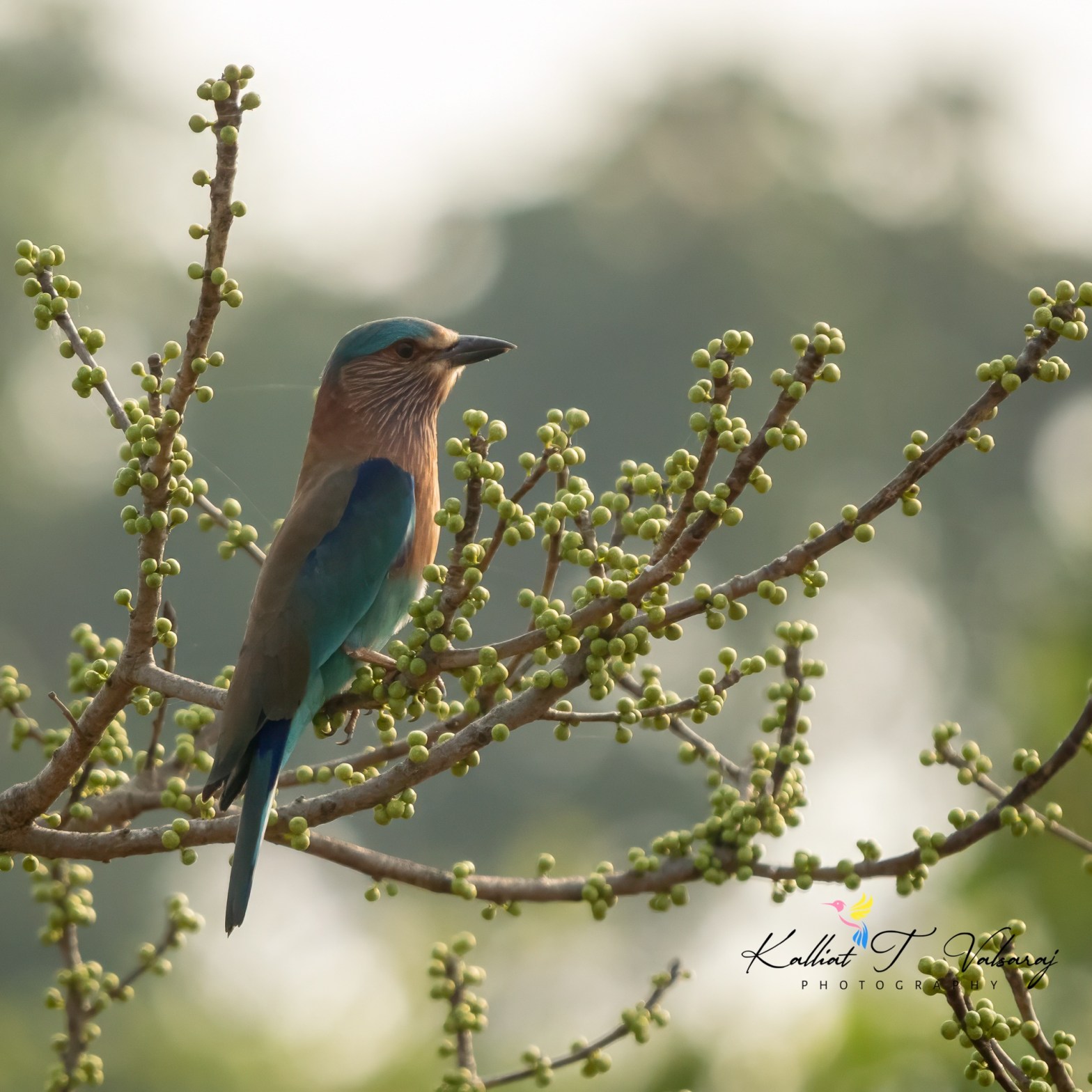
The Indian roller, a uniquely colorful bird, is often a resident of the region, while the palin prinia and pied bush chat are winter visitors.

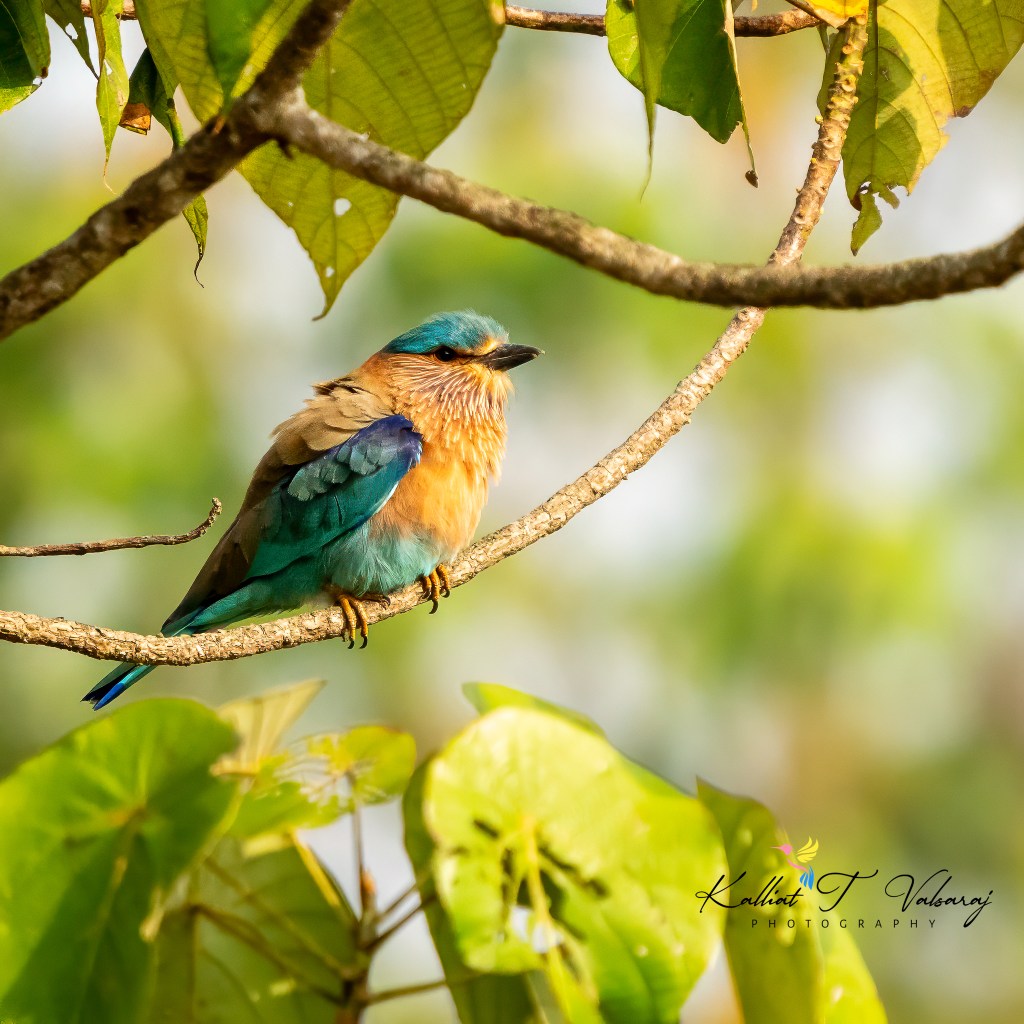
The Asian blue-tailed bee-eater, known for its acrobatic skills, can be seen perched on hanging telephone wires and utility poles along water’s edges, catching flying insects.
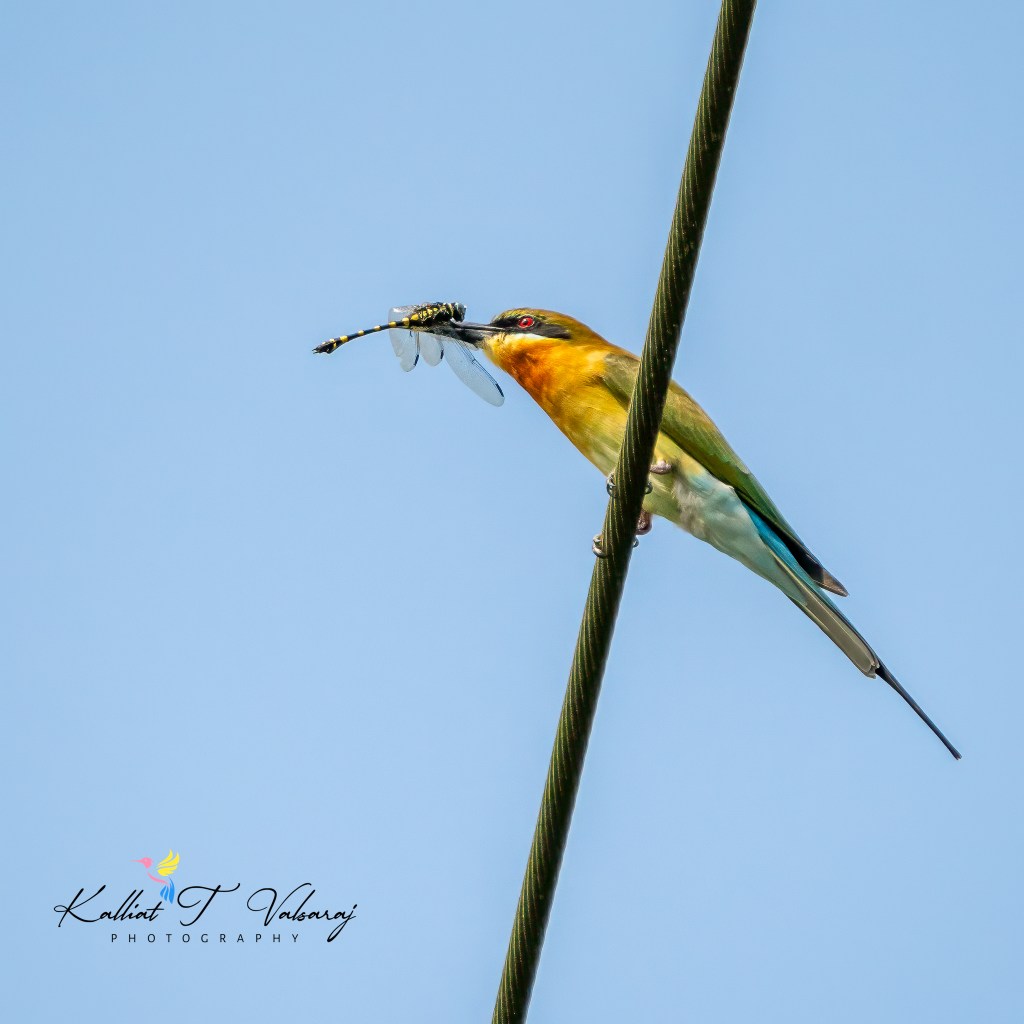
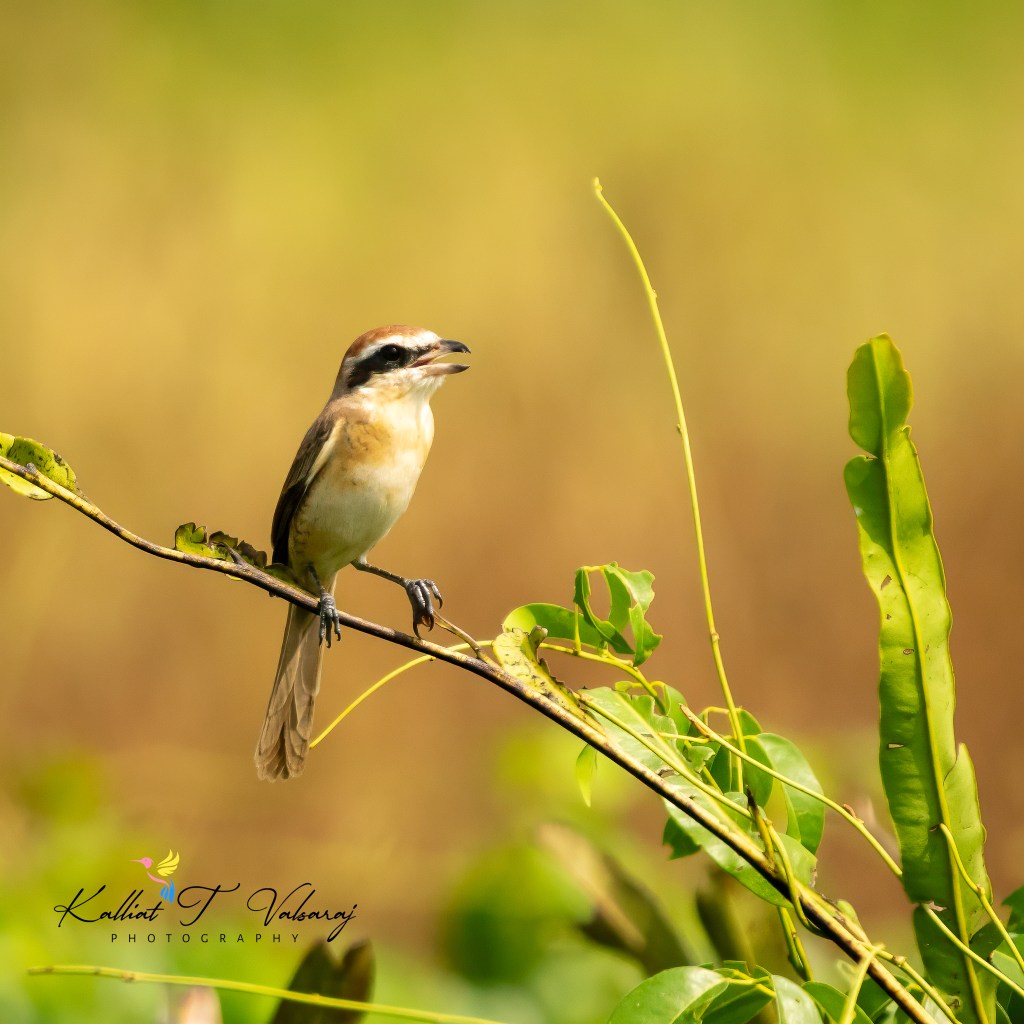
Jerdon’s bush lark is another winter visitor to the forests of North Kerala, while the brown shrike, a small bird of prey, is often observed hovering over fields in search of prey. Known for their distinctive behavior, brown shrikes impale their catches on tree branches to guard them from other predators.
In conclusion, North Kerala remains a largely unspoiled and unexplored haven for birdwatchers. The region offers various resorts catering to tourists, and bird guides are readily available to assist with bird identification and locations. The international airport in Kannur serves as a convenient entry and exit point, well connected to numerous other parts of India. Additionally, North Kerala is famous for the traditional art form known as Theyyam, performed at various temples from December to March, providing another attraction for visitors. The region is well served by roads and railways, ensuring easy access for birdwatchers eager to explore. Rental vehicles are also widely available.
I encourage birdwatchers to consider North Kerala and its surrounding regions for new adventures in birding along India’s coastal landscapes.
 Wild Trails Photography